
Category: Entertainment

  • Innovations in Entertainment: Exploring Virtual Concerts and Digital Museums

    Innovations in Entertainment: Exploring Virtual Concerts and Digital Museums

    Advancements in technology have led to groundbreaking innovations in the entertainment industry, reimagining the ways we experience music, art, and culture. Virtual concerts and digital museums are two remarkable examples of how technology is transforming traditional forms of entertainment. In this article, we’ll delve into the world of virtual concerts and digital museums, exploring their impact and the unique experiences they offer.

    Virtual Concerts: Bridging Distances and Boundaries

    Virtual concerts leverage live-streaming technology to bring music performances directly to audiences’ screens. Artists and audiences from around the world can connect and engage in real-time, transcending geographical limitations.

    Interactive and Immersive Experiences

    Virtual concerts go beyond passive viewing. Some platforms offer interactive features that allow audiences to influence the show, request songs, and interact with artists through live chats and social media integration.

    Accessible and Inclusive

    Virtual concerts democratize access to live performances. People who may not have the opportunity to attend in-person concerts due to geographical, financial, or physical constraints can now enjoy the magic of live music from the comfort of their homes.

    Digital Museums: Preserving and Sharing Culture

    Digital museums offer a new way to experience art and culture. By digitizing artifacts and exhibitions, these platforms provide a global audience with access to valuable cultural heritage.

    Immersive Exhibitions and Virtual Tours

    Digital museums can recreate physical exhibitions in a virtual space, allowing visitors to explore artwork and artifacts as if they were walking through a physical museum. Virtual tours enhance the sense of immersion and discovery.

    Preserving Cultural Heritage

    Digital museums play a vital role in preserving cultural heritage, especially in times of conflict or natural disasters. Digitizing artifacts ensures that valuable pieces of history are safeguarded for future generations.

    Challenges and Considerations

    While virtual concerts and digital museums offer numerous benefits, challenges exist. Ensuring high-quality streaming, addressing technical glitches, and replicating the emotional connection of a live performance are considerations for virtual concerts. For digital museums, maintaining authenticity, curatorial expertise, and data security are paramount.

    Future Innovations

    The future holds even more exciting possibilities for virtual entertainment. Virtual reality (VR) and augmented reality (AR) are expected to play a significant role in creating immersive and interactive experiences that push the boundaries of traditional forms of entertainment.

    Conclusion

    Virtual concerts and digital museums are reshaping the entertainment landscape, making music and art more accessible, interactive, and inclusive. As technology continues to evolve, these innovations are poised to redefine how we engage with culture, creativity, and the arts, transcending physical limitations and bringing people closer to the world of entertainment.
  • Redefining Theatrical Experiences: Immersive and Interactive Performances

    Redefining Theatrical Experiences: Immersive and Interactive Performances

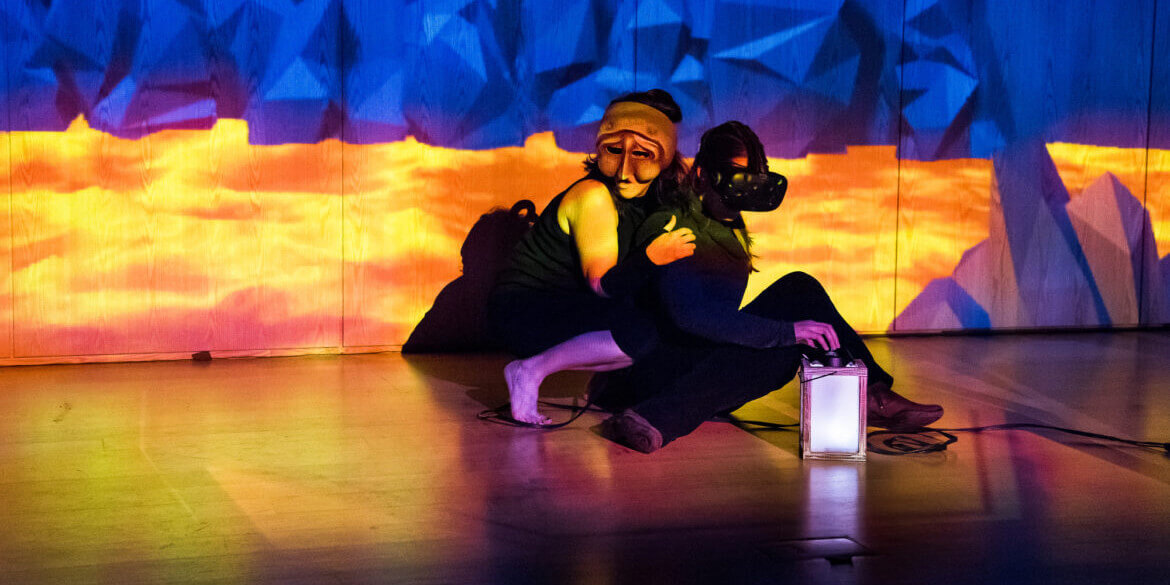
    The world of theater and performing arts is undergoing a remarkable transformation, with innovative approaches redefining the traditional theatrical experience. Immersive and interactive performances are taking center stage, offering audiences a new level of engagement and emotional connection. In this article, we’ll explore the rise of immersive theater and how it is reshaping the way we experience live performances.

    Immersive Theater: An Evolution of Storytelling

    Immersive theater goes beyond the conventional boundaries of stage and audience. Instead of passive observation, audiences are invited to step into the world of the performance, interacting with characters, exploring environments, and becoming integral to the narrative.

    Breaking Down the Fourth Wall

    The concept of the “fourth wall,” the invisible barrier between the audience and the performers, is challenged in immersive theater. Performers and audience members coexist in the same space, blurring the lines between reality and fiction.

    The Power of Personalization

    Immersive performances offer a personalized experience for each audience member. Depending on the choices they make and the interactions they engage in, individuals can shape the course of the narrative and influence the outcomes.

    Technology and Interactivity

    Technology plays a significant role in enhancing the interactivity of immersive theater. From virtual reality and augmented reality to mobile apps and sensors, technology creates opportunities for unique audience interactions and sensory experiences.

    Creating Emotional Resonance

    Immersive theater has the power to evoke strong emotional responses. By immersing audiences in the world of the story and allowing them to experience the narrative firsthand, performances can create a deeper and more lasting impact.

    Challenges and Considerations

    While immersive theater offers exciting possibilities, it also comes with challenges. Ensuring the safety and comfort of both performers and audience members, maintaining narrative coherence in a non-linear format, and managing logistics within unconventional spaces are some of the considerations.

    The Future of Immersive Theater

    The future of theater is undoubtedly shaped by immersive experiences. As technology advances and creative boundaries expand, immersive theater has the potential to revolutionize storytelling, audience engagement, and the very nature of the theatrical experience.

    Conclusion

    Immersive theater is at the forefront of a new era in performing arts, challenging traditional notions of spectatorship and inviting audiences to actively participate in the narrative. By bridging the gap between fiction and reality, immersive performances offer a transformative and unforgettable journey that redefines the relationship between performers and their audience.