Blog

  • Why Every Business Needs a San Jose Marketing Agency in 2025

    Why Every Business Needs a San Jose Marketing Agency in 2025

    In 2025, digital marketing continues to evolve at a breathtaking pace, with AI-driven personalization, voice search, and local optimization becoming central to online success. For businesses operating in California’s tech hub, partnering with a San Jose marketing agency isn’t just a luxury—it’s a necessity. With increasing competition, changing consumer behavior, and algorithm updates from major platforms like Google and Meta, professional guidance ensures that brands not only keep up but stay ahead. Below, we’ll explore why every business should work with a local marketing agency in San Jose this year and how to make the most of their expertise.


    1. Deep Local Market Insight and Targeted Strategies

    A major advantage of working with a San Jose agency is its deep understanding of the local market. San Jose is a unique blend of tech innovators, startups, and diverse communities, which means audience behavior differs significantly from other regions. A local agency has first-hand data on demographics, cultural preferences, and buying trends within Silicon Valley.

    For example, a B2B software company might target professionals in nearby tech parks, while a boutique fitness studio may focus on health-conscious millennials living downtown. Agencies can identify these hyperlocal nuances and develop campaigns that align with audience intent—whether through Google Ads, social media geofencing, or local SEO.

    To execute this effectively, businesses should:

    1. Share detailed customer profiles—location, demographics, and purchase history.
    2. Leverage local data analytics—agency teams often use local search trends and audience heat maps.
    3. Create region-specific content—such as blogs mentioning San Jose events or customer stories.

    This local knowledge helps companies build authentic connections with their target audience, translating into higher conversions and long-term loyalty.


    2. Leveraging Advanced AI and Automation Tools

    In 2025, AI has transformed digital marketing. From predictive analytics to automated ad optimization, technology enables marketers to make smarter, data-driven decisions. San Jose agencies are often early adopters of these tools, given their proximity to Silicon Valley’s innovation culture.

    For instance, AI-driven platforms like Jasper or HubSpot’s Smart Content analyze customer interactions in real time, helping brands deliver personalized content automatically. Agencies use these insights to segment audiences and optimize performance without manual guesswork.

    To implement this:

    1. Integrate AI-based CRM tools that track customer journeys and automate email follow-ups.
    2. Adopt predictive analytics for better ad placement decisions.
    3. Use chatbots and voice assistants for customer engagement on websites or social platforms.

    By partnering with a tech-savvy agency, businesses can stay ahead of automation trends and focus on scaling rather than micromanaging.


    3. Comprehensive SEO and Content Strategy

    SEO remains a cornerstone of digital marketing, but it’s now more complex than ever. Search engines reward high-quality, relevant, and fast-loading content that matches user intent. San Jose agencies specialize in advanced SEO strategies tailored for competitive markets like Silicon Valley.

    They conduct in-depth keyword research to identify local search intent—terms like “best coworking spaces in San Jose” or “tech PR firms near me”—and optimize both content and technical aspects. They also ensure that your website structure, metadata, and backlinks align with Google’s ever-evolving standards.

    Businesses can follow these steps for SEO success:

    1. Audit existing content for performance and update outdated pages.
    2. Create pillar content around key industry topics, complemented by internal links.
    3. Optimize for voice and mobile search, considering many consumers use voice assistants.

    A data-backed, content-rich SEO strategy drives visibility and builds long-term organic authority—something only seasoned local agencies can maintain consistently.


    4. Holistic Multi-Channel Marketing Integration

    Modern marketing isn’t about using a single channel—it’s about connecting the dots across all digital touchpoints. A San Jose marketing agency can integrate social media, email marketing, PPC, and content strategies into one cohesive plan. This ensures every campaign reinforces your brand message and drives users toward conversion.

    For example, a tech company launching a new app can:

    • Use Google Ads for awareness.
    • Publish LinkedIn thought leadership posts to establish authority.
    • Send personalized email campaigns for nurturing leads.
    • Optimize landing pages for conversions.

    To make this work, businesses should:

    1. Unify data across channels using marketing automation platforms like HubSpot or Marketo.
    2. Set consistent brand guidelines for tone, visuals, and messaging.
    3. Analyze cross-channel performance to identify which paths drive the highest ROI.

    When channels work together, they produce a compounding effect—boosting both engagement and revenue.


    5. Staying Ahead of Algorithm Changes and Market Trends

    From Google’s algorithm updates to social media platform changes, the digital landscape evolves almost weekly. Agencies track these updates closely, ensuring your strategies remain compliant and effective. In San Jose, where competition is fierce, even small lapses in SEO or ad policy compliance can lead to major visibility losses.

    Agencies also anticipate emerging trends, such as short-form video marketing, shoppable social media posts, and zero-click searches. They quickly pivot your strategy to leverage these opportunities before your competitors catch up.

    Businesses should collaborate with their agency to:

    1. Schedule quarterly marketing audits.
    2. Stay informed through trend briefings provided by the agency.
    3. Experiment with new formats—like YouTube Shorts, interactive polls, or AR filters.

    Staying adaptable ensures your brand never falls behind in an environment driven by constant innovation.


    6. Access to Expert Talent and Specialized Skills

    Hiring an in-house marketing team can be costly and time-consuming. A full-service agency, however, provides instant access to specialists—SEO strategists, copywriters, PPC analysts, designers, and data scientists—all under one roof. Each brings a unique perspective that enhances campaign performance.

    For instance, a San Jose tech startup might need a UX designer to improve website flow while simultaneously running a PPC campaign managed by a certified Google Ads expert. The synergy of cross-functional collaboration delivers faster, higher-quality results.

    Businesses can maximize this advantage by:

    1. Outlining clear objectives before onboarding the agency.
    2. Scheduling regular performance reviews to assess ROI.
    3. Encouraging open communication for continuous improvement.

    This structure ensures expertise is fully leveraged to meet your company’s evolving needs.


    7. Transparent Reporting and Data-Driven Decision-Making

    Data transparency is key to a successful partnership. Reputable agencies provide detailed performance reports showing traffic growth, conversion rates, and ROI. Many San Jose agencies use live dashboards that visualize real-time metrics, helping businesses make informed decisions.

    For example, monthly analytics reports may reveal that social media ads outperform Google Ads in engagement but lag in conversions. This insight allows the agency to adjust ad creatives or shift budgets efficiently.

    Businesses should request:

    1. KPI-aligned reporting dashboards accessible anytime.
    2. Monthly strategy meetings for reviewing insights.
    3. Recommendations backed by data rather than assumptions.

    By maintaining full visibility, brands can confidently scale campaigns while understanding exactly where their marketing dollars go.


    8. Building Long-Term Brand Authority

    Finally, a San Jose marketing agency helps businesses build brand equity over time. Through consistent content, thought leadership, and strategic visibility, they position companies as trusted authorities in their industries. Whether you’re a startup aiming for rapid growth or an established business expanding reach, local agencies understand how to align digital strategies with long-term brand vision.

    A good example is a San Jose-based green tech firm that steadily publishes educational content, partners with local influencers, and sponsors sustainability events. Over time, this builds both digital and community credibility—turning brand awareness into loyalty.

    With the right agency partnership, your brand isn’t just seen; it’s remembered, respected, and referred. In the fast-moving 2025 market, that’s the ultimate competitive edge.


  • Best Places to Visit in the United Kingdom for US Travelers

    Best Places to Visit in the United Kingdom for US Travelers

    If you are planning UK travel for US citizens, you are in for a mix of history, cozy pubs, jaw-dropping scenery, and vibrant city life. The United Kingdom punches well above its weight when it comes to variety, whether you are a solo traveler, a family chasing fun memories, or a group looking for unforgettable adventures.

    This UK travel guide highlights the best places to visit UK travelers love, from the timeless buzz of London to the moody peaks of the Scottish Highlands, plus practical tips and a sample UK itinerary to get your planning started.

    London

    London is the classic starting point. It checks every box: world-class museums, theater in the West End, royal palaces, and neighborhoods each with a different vibe. Families will enjoy the Natural History Museum and the Tower of London. Solo travelers and groups can take walking tours to discover hidden street art, food markets, and cozy pubs.

    Tip for US travelers: grab an Oyster card or use contactless payments for the Tube. Plan for unpredictable weather and pack a light rain jacket. Want to book flights and hotels quickly? Find more cheap flight options on Traveloka to compare schedules and fares.

    Edinburgh

    Edinburgh blends medieval charm and festival energy, especially during August when the Fringe takes over. Explore the Royal Mile, tour the castle, and hike up Arthur’s Seat for skyline views. The city is compact, walkable, and perfect for couples and solo travelers who enjoy history and lively pub culture.

    Tip: book castle tours in advance during festival season and try some local dishes like haggis or a hearty Scotch pie.

    Bath

    Bath is a picture-perfect Georgian city famous for its Roman baths and honey-colored stone architecture. It is ideal for a romantic escape or a relaxed family stop. Spend time at the Roman Baths Museum, stroll the Royal Crescent, and consider a spa experience at the modern Thermae Bath Spa.

    Tip: Bath is an easy day trip from London by train, making it a frequent pick on many UK itineraries.

    Stonehenge and Salisbury

    For a touch of prehistoric mystery, visit Stonehenge and the nearby medieval city of Salisbury. Stonehenge is best visited in the early morning or late afternoon to avoid peak crowds. Salisbury Cathedral houses one of the best-preserved copies of the Magna Carta and has a magnificent spire.

    Lake District

    The Lake District is the UK at its scenic best: glacial lakes, rolling fells, and charming villages. Outdoor lovers will appreciate hiking, boating, and cycling. It is family-friendly with easy walks and boat trips, and perfect for groups that want to rent a cottage and relax together.

    Tip: the weather can change fast. Layering and waterproof footwear are essential.

    York

    York feels like stepping back into medieval England. Walk the ancient city walls, visit the towering York Minster, and wander through the Shambles with its timbered buildings and quirky shops. Ghost tours at night are a fun option for families with older kids or groups seeking spooky entertainment.

    Oxford and Cambridge

    These two university cities are packed with history, beautiful colleges, and river punting. Oxford has spires and dreamy reading rooms, while Cambridge combines elegant architecture with relaxed riverbank cafes. Both are great for a day trip or an overnight stay, especially if you enjoy learning about academic traditions and historical architecture.

    Cornwall

    On the southwestern tip of England, Cornwall is synonymous with dramatic coastlines, surf beaches, and fresh seafood. Towns like St Ives and Padstow are ideal for families who want sun, sand, and seaside charm. Foodies should seek out local pasties and cream teas.

    Belfast and Giant’s Causeway

    Northern Ireland offers vibrant city life in Belfast and the otherworldly basalt formations of the Giant’s Causeway on the north coast. Belfast has a lively food and arts scene, while the Causeway is a geological wonder that appeals to hikers and photographers alike.

    Scottish Highlands

    The Highlands are for travelers craving wide-open spaces: towering peaks, lochs, and dramatic drives. It is an excellent choice for road trips, wildlife spotting, and distillery visits. Groups can rent a campervan or book guided tours to make the most of the region.

    Sample 10-Day UK itinerary

    This UK itinerary balances city time with scenic escapes. Start with three days in London to hit the highlights, then take a train to Bath for a relaxed day and Stonehenge visit. Head north to York for medieval charm and on to the Lake District for two days of nature. Finish with three days in Edinburgh to soak in Scottish culture and scenery. This plan works well for families, friends, and solo travelers who enjoy a mix of museums, walking tours, and outdoor time.

    Practical tips for US travelers

    Visa and entry: US citizens visiting the UK for tourism typically do not need a visa for stays up to six months. Always check the latest entry rules before you travel.

    Money and payments: the currency is the British pound. Contactless payments and cards are widely accepted. Tipping is customary in restaurants for good service, usually around 10 to 15 percent when a service charge is not included.

    Transport: trains link most major destinations, and regional buses or car rentals are useful for rural areas. Consider booking longer-distance trains and special attractions ahead of time during peak seasons.

    Packing: prepare for varied weather, comfortable walking shoes, and an adapter for UK plugs.

    Booking tips and flights

    Flights from the US to the UK are frequent, with many gateway cities offering direct options. If you want to shop for competitive fares and travel bundles, Planning your next trip with Traveloka! gives you a fast way to compare flights, hotels, and activities. For a focused flight search, you can also check Cheap flight tickets to United Kingdom to find deals that fit your schedule and budget.

    Closing: Why Traveloka can help

    Whether you are sketching out a multi-city UK itinerary or booking a last-minute weekend city break, Traveloka makes the planning part easier. The platform brings together flights, hotels, and local activities in one place and connects you to a large network of partners so you can compare options and book with confidence. From family-friendly hotels to unique local experiences, using Traveloka helps you spend less time searching and more time enjoying your trip.

  • Triumph – британский характер без риска и переплат

    Triumph – британский характер без риска и переплат

    Triumph — это особое чувство руля: упругая тяга рядного «тройника», точное шасси и сдержанный дизайн без лишнего театра. Тем, кто давно присматривается к британской марке, всё чаще оказывается ближе методичный путь: купить мотоцикл Triumph в Японии недорого, опираясь не на эмоции и красивые фото, а на документы и прозрачные процедуры. На аукционах каждый лот сопровождается аукционным листом, подробными снимками и краткими комментариями инспектора — это превращает выбор из лотереи в понятный процесс.

    У Triumph сильна линейка для разных задач. Нужна лёгкая городская динамика — Street Triple с его отзывчивым «тройником». Хочется больше «резерва» на трассе — Speed Triple. Для дальних маршрутов и плохих дорог — семейство Tiger (от 800/900 до крупного туристического 1200), а если душа просит классики — Bonneville T100/T120, Thruxton, Scrambler 900/1200. Важно заранее честно описать свои маршруты и посадку: сколько города, сколько трассы, сколько гравийных дорог — от этого зависит и выбор модели, и список проверок.

    Почему японские торги работают в плюс

    Культура содержания техники в Японии дисциплинированная: бережное хранение, регулярные ТО, аккуратная доработка электричества. На торгах состояние фиксируют в документе, а при запросе высылают дополнительные фото и короткое видео — холодный запуск, приборную панель крупным планом, отклик на газ и обзор узлов снизу. Это не «страховка от всего», но инструмент, который позволяет покупать не легенду, а конкретный экземпляр с понятной историей.

    Как разобраться в аукционном листе Triumph без мифов

    Оценка в шапке — только входной фильтр. Суть — в ремарках инспектора и в фото узлов. Для Triumph полезно сфокусироваться на нескольких зонах:

    • Рама и рулевая. Следы вмешательств у стаканов, «неродные» швы, косые траверсы — сразу стоп. Классические «бонны» прощают косметику, но не геометрию.
    • Двигатель (рядная «тройка» или «классический» двухцилиндровый). На холодную — без «металла» и неровностей, после прогрева — устойчивый холостой ход. Смотрите на запотевания у крышек, стыков и прокладок.
    • Охлаждение. Радиатор без подтёков и «соплей», вентилятор включается предсказуемо; следы перегрева — аргумент снижать ставку.
    • Подвеска и маятник. Потёки сальников, залипания, люфты в узлах — на Street/Speed Triple и Tiger это встречается чаще в активно катанных байках.
    • Тормоза. Ровные диски без заметной «пульсации», равномерный износ колодок, живой главный цилиндр.
    • Электроника. Инициализация панели без «гирлянд» ошибок, корректная работа ABS/TC/ride modes. Для свежих моделей — адекватное меню и датчики, переключение режимов без задержек.
    • Проводка и тюнинг. Аккуратные разъёмы и фиксация жгутов — плюс; скрутки и безымянные блоки — минус к ставке.
    • Пластики/крепёж. Трещины у ушей, «паутина» вокруг болтов, свежая краска на крышках — индикаторы падений. Важно, чтобы это не сопровождалось перекосом геометрии.

    Тут работает простое правило: честная «серединная» оценка с понятными пометками и чистыми силовыми зонами практичнее, чем «глянец» с туманными комментариями. Британская техника благодарит за механическую чистоту и «тихую» приборку, а не за полировку.

    Какую модель брать под свои маршруты

    Город и пригород — сильная территория Street Triple: лёгкость на руле и отзывчивость внизу. Для трассы и активной езды «с запасом» — Speed Triple. Если планируются дальники и гравий, логичен Tiger: удобная посадка, ветрозащита, подвески с ходом и электроника-помощник. Любителям спокойного темпа и «вечной» эстетики подходят Bonneville/Thruxton/Scrambler — здесь важнее честность мотора и отсутствие кустарного тюнинга, чем «витринные» банки. В любом сценарии полезнее «земные» опции (свет, подогревы, круиз, нормальные тормоза), чем редкий цвет или карбоновые мелочи.

    Видео и фото, которые стоит запросить до ставки

    Пара коротких роликов снимает большую часть дистанционных рисков: приборка при включении зажигания (все лампы тестируются и гаснут), холодный старт и выход на устойчивый холостой ход, короткая «лестница» оборотов после прогрева, крупные планы радиатора/патрубков/стыков крышек, вилка и траверсы в профиль и «вдоль пера», маятник/оси и состояние дисков. Если у экземпляра есть режимы и трэкшн — попросите показать переключения и отсутствие предупреждений.

    «Под ключ» без иллюзий: считаем сверху вниз

    Настоящая цена — это не цифра молотка в йенах. Итоговую сумму формируют выкуп, аукционный сбор и японская логистика, фрахт и страховка, российские платежи (пошлина, утильсбор, сертификация) и доставка по России. Удобная дисциплина — считать сверху вниз: зафиксировать комфортный потолок «под ключ» и уже от него выводить предельную ставку. Так остаётся резерв на перевод аукционного листа, расширенный фото-/видеоотчёт и «нулевую точку» после прихода — экономить именно на этих вещах выходит дороже.

    Первые недели: с чего начать

    Даже аккуратный Triumph благодарит за базовый сервис: моторное масло и фильтр, тормозная жидкость, проверка/обслуживание вилки по состоянию, смазка/диагностика рулевой и маятника, оценка зарядки, осмотр радиатора и патрубков, геометрия. На «классике» — внимание к герметичности стыков и к регулировке клапанов по регламенту; на «тройниках» — слушаем работу на холостых и ровность отклика. Резину подбирают под сценарий: спорт-туринг — для дальников, быстрый прогрев — для города, «держак» — для тренировок.

    Что реально экономит деньги и нервы:

    • Ставка идёт от финальной суммы «под ключ», а не от «красивого» молотка.
    • Рама/рулевая/подвеска важнее глянца. Любой намёк на геометрию — уход к соседнему лоту.
    • Панель — без «гирлянд», холодный старт — без «металла». Просите видео.
    • Охлаждение и тормоза — под лупой. Радиатор, вентилятор, диски и скобы скажут правду.
    • Тюнинг оценивайте качеством установки, а не наклейкой бренда. «Колхоз» в проводке = минус к ставке.

    Triumph ценят за узнаваемое поведение и благородную подачу — от горожанина Street Triple до туристического Tiger. Аукционы Японии добавляют к этому предсказуемость: документ вместо обещаний, видео вместо догадок, аукционный лист вместо историй. Если смотреть в бумагу внимательнее, чем в глянец, и считать смету «сверху вниз», задача привезти Triumph из Японии превращается из рискованной мечты в аккуратно организованный проект — с ровным мотором, честной геометрией и тем самым спокойствием, ради которого покупают британский байк.

  • How Smarter Scheduling Software is Changing the Way Construction Projects Get Done

    How Smarter Scheduling Software is Changing the Way Construction Projects Get Done

    There’s something oddly satisfying about a construction site running like clockwork. Trucks arrive when they should. Crews rotate seamlessly between tasks. The foreman knows exactly what’s happening next week — and no one’s scrambling for updates. But getting to that level of smooth coordination? It’s no accident. It takes tools, structure, and a little digital magic from the best project scheduling software available today.

    The Chaos Before Control

    Let’s be honest — construction is organized chaos at the best of times. Dozens of moving parts, shifting deadlines, changing weather, client updates, and material delays. For decades, most companies managed schedules on whiteboards, spreadsheets, or whatever the latest “temporary fix” was. And while that may have worked for smaller projects, it just doesn’t cut it anymore.

    Modern construction projects involve complex dependencies: one trade can’t start until another finishes; permits might hold up progress; equipment may be booked for overlapping jobs. Without a central scheduling tool, even the best teams spend more time reacting than building.

    That’s where technology has quietly — but decisively — stepped in.

    The Rise of Smarter Planning Tools

    Project scheduling software used to be clunky and intimidating. Think endless Gantt charts and confusing timelines that only the project manager could interpret. But today’s tools? They’re collaborative, visual, and even predictive.

    You can drag and drop tasks, assign resources in real-time, track progress from your phone, and instantly see when things go off track. The software doesn’t just organize; it communicates. Everyone — from field workers to office admins — gets the same story, updated to the minute.

    Teams no longer need to call five people to find out when a delivery’s arriving. They just check the system.

    And when you find the right scheduling software for construction crews, it becomes more than a time-management tool — it’s a coordination hub. It lets supervisors see who’s available, what tools are booked, and which teams might need a break between shifts. That kind of visibility saves hours, money, and plenty of headaches.

    From Gantt Charts to Field Tablets

    There’s been a cultural shift in construction tech adoption, too. A decade ago, the average foreman might’ve rolled their eyes at another “fancy app.” But today, tablets and smartphones are as common on job sites as hard hats.

    That shift matters because modern scheduling software is built with real-world usability in mind. It’s not buried in menus or packed with jargon — it’s made for the crews doing the work. Apps let teams update progress, log issues, and mark tasks complete directly from the field.

    When a site manager gets an alert saying that framing’s running two days behind, they don’t need a meeting to adjust. They can reassign crews, shift deliveries, and notify the client — all before the delay snowballs.

    A Hidden Hero: Data-Driven Insights

    Here’s the thing most people miss: scheduling tools aren’t just about keeping dates aligned. They collect powerful data that helps predict problems before they happen.

    Maybe one subcontractor is consistently late on similar tasks. Maybe weather delays are impacting productivity more than expected. The right software turns these observations into action — letting managers make smarter calls for future projects.

    This kind of data-driven scheduling gives teams the ability to plan better, budget tighter, and manage expectations with less stress. It’s not about doing more; it’s about doing smarter.

    Change Management: The Human Side of Progress

    But even the most advanced tech doesn’t work if people don’t adapt. That’s where change management in construction projects comes into play.

    Introducing new tools or digital workflows often meets resistance. Teams worry it’ll slow them down or replace their way of working. Good change management isn’t about forcing adoption; it’s about showing value. When field crews see that the software actually helps them — fewer mix-ups, easier communication, less paperwork — they get on board fast.

    Successful construction leaders know it’s not just about buying a tool; it’s about creating buy-in. Training sessions, open feedback, and gradual rollout plans go a long way in making sure technology sticks.

    And once it does? The whole culture of a company can shift — from reactive to proactive, from stressful to streamlined.

    Real-World Benefits That Speak for Themselves

    Firms that embrace advanced scheduling tools are already seeing results. Missed deadlines are dropping. Overtime costs are shrinking. Clients are happier because they get updates in real time.

    One mid-sized construction firm in Texas, for example, managed to cut project delays by nearly 20% within six months of adopting scheduling software. The key wasn’t just automation — it was visibility. Teams finally had one version of the truth.

    It’s not an exaggeration to say these systems have become the backbone of modern construction.

    The Bigger Picture

    At its core, this shift isn’t just about software. It’s about control, clarity, and communication in an industry that desperately needs all three. When you can plan more accurately, adapt faster, and collaborate in real-time, your whole operation feels lighter — smoother.

    And in a business where time truly is money, that’s worth everything.

    So, whether you’re managing residential builds or large-scale commercial projects, the message is simple: the days of disconnected schedules and reactive planning are numbered. The future of construction belongs to teams who embrace smarter coordination and the digital tools that make it possible.

    Because when the foundation of your workflow is solid, the rest of the structure — deadlines, budgets, relationships — tends to stand a lot stronger too.

  • Does Sunlight Really Affect Your Air Conditioner? Let’s Talk About Heat, Shade, and Smart Cooling Choices

    Does Sunlight Really Affect Your Air Conditioner? Let’s Talk About Heat, Shade, and Smart Cooling Choices

    There’s a strange irony in summer. The very season that brings us lazy afternoons, cold lemonade, and backyard barbecues also brings an unavoidable villain — heat. And for many of us, our air conditioners are the quiet heroes standing between bliss and sweat. But here’s something that often goes overlooked: sunlight. Specifically, how much of it your AC unit actually gets.

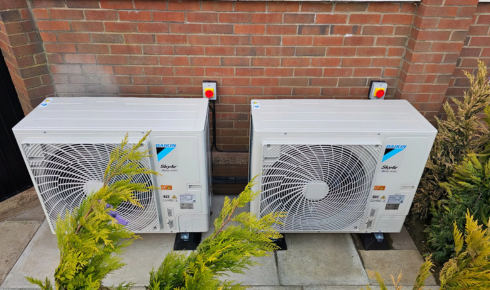
    If you’ve ever stepped outside on a 100-degree day and placed your hand on your outdoor condenser, you already know — that metal box gets hot. Really hot. Which leads to a common question homeowners often wonder but rarely get a straight answer to: does sunlight hurt your AC’s performance? Or to put it another way, is it bad to have your ac outdoor unit in sunlight all day long?

    Let’s unravel that, one warm breeze at a time.


    The Science of Heat and Cooling

    To understand how sunlight impacts your air conditioner, we need to talk about how the system works. Your outdoor unit — the condenser — is responsible for releasing the heat absorbed from inside your home. It does that through coils, fans, and a process that’s basically the opposite of what’s happening inside your evaporator coil.

    Now, imagine trying to cool off while standing under the blazing sun. That’s exactly what your condenser is doing. When it sits in direct sunlight, it has to work harder to release heat. The warmer the surrounding air, the less efficient the heat transfer process becomes. That means more energy use, longer cycles, and, unfortunately, higher electricity bills.

    Still, sunlight alone isn’t the villain. It’s a factor, sure, but it’s not always catastrophic. If your system is properly maintained and the airflow around the condenser is clear, it can handle a bit of sunshine. But when the temperature rises and that unit’s cooking under the afternoon sun, even the toughest system can start to feel the strain.


    When the Sun Beats Down on Your Windows

    It’s not just outdoor units that struggle with sunlight — your indoor cooling can suffer too, especially if you rely on window-mounted air conditioners. Ever noticed how some rooms take forever to cool, even when the AC’s running full blast? Sometimes, that’s because of where the unit sits.

    If you’ve got a window air conditioner in direct sunlight, it’s not just fighting the heat inside your room — it’s fighting the sun baking its metal casing. The compressor and coils inside that little box are doing double duty, trying to remove heat while also being cooked by it.

    The result? Slower cooling, increased wear and tear, and energy bills that make you sigh when they arrive. Even shifting the unit slightly — or using a simple awning or shade cover — can make a world of difference. You’d be amazed how a few degrees of relief on the exterior surface can translate into faster, more efficient cooling indoors.


    Should You Shade Your Unit? Let’s Settle It

    This is where homeowners get divided. Some swear that shading their condenser made a night-and-day difference in performance. Others claim it doesn’t matter at all. So, who’s right?

    The answer, like most things in home maintenance, lies somewhere in the middle. Shading can help, but only when it’s done right. Throwing a tarp over your system or surrounding it with bushes isn’t the answer — that can actually make things worse by restricting airflow.

    So, should i shade my ac unit? Generally, yes — but thoughtfully.

    If you can add shade from a tree, a screen, or even a purpose-built canopy without blocking the air circulation, you’ll likely see improved efficiency. Studies have shown that shaded units can run up to 10% more efficiently in extreme heat. The air around the condenser stays cooler, helping it dump heat more effectively.

    Just remember, airflow is non-negotiable. Your unit needs space to breathe. Anything that traps heat or prevents proper ventilation can backfire, creating the exact problem you were trying to avoid.


    A Little Maintenance Goes a Long Way

    Sunlight aside, the biggest killer of efficiency is neglect. Dirt, debris, and overgrown plants can choke your condenser, forcing it to work harder. The fan blades pull in air, and if those coils are caked in grime, the system can’t get rid of heat properly.

    A quick rinse with a garden hose every month or two (with the power off, of course) can make a world of difference. If you’re feeling ambitious, a light coil cleaner spray will help break down the dirt that water can’t.

    Also, check for clearance. Your condenser should have at least two feet of open space around it. Trimming shrubs or moving patio furniture can improve airflow dramatically.

    And inside your home, replace air filters regularly. Poor airflow inside means the outdoor unit has to work harder, especially when temperatures spike.


    The Myth of “Bigger Is Better”

    Here’s another thing homeowners often misunderstand: upgrading to a bigger system doesn’t always mean better cooling. In fact, an oversized unit can short-cycle — turning on and off too frequently — which not only wears out parts but also leads to uneven temperatures and poor humidity control.

    Instead of replacing your unit outright because it struggles during heat waves, it’s worth having a professional inspect the setup. They’ll check for refrigerant levels, duct leaks, and even whether your condenser’s placement is making it harder for the system to perform efficiently.

    Sometimes, the solution isn’t a replacement — it’s as simple as repositioning or shading the existing unit.


    Practical Ways to Help Your AC Cope with Heat

    You can’t move the sun, but you can make life easier for your air conditioner. A few small steps can have a surprisingly big impact:

    • Add a shade structure: A lattice panel or pergola nearby (but not directly over the unit) can create partial shade while maintaining airflow.
    • Plant smart: Trees or shrubs on the south and west sides of your home can block harsh afternoon sun, naturally cooling the area. Just keep them trimmed.
    • Insulate: Poor insulation inside your home puts extra strain on your AC. Sealing leaks and improving attic insulation helps your system work less, even on the hottest days.
    • Schedule maintenance: Have a technician inspect and clean your system annually — especially before summer hits.

    These are small, inexpensive fixes that pay off in lower bills and longer system life.


    The Comfort Equation

    At the end of the day, your air conditioner doesn’t ask for much — just a little care, clear airflow, and a break from the blazing sun. Whether it’s a whole-house system or a compact window unit, heat exposure can affect performance more than most people realize.

    The goal isn’t to baby your system but to understand how it works with its environment. A shaded, well-maintained AC runs quieter, cools faster, and lasts longer — and honestly, who wouldn’t want that?

    So the next time you catch your condenser glinting in the sun, give it some thought. Maybe that simple question — “Does the sun really matter?” — deserves more credit than you’d think.

  • RuTOR darknet forum — анонимный forum через onion

    rutor

    Darknet RuTOR: Анализ товаров и услуг теневого сегмента

    В целях безопасности при анализе теневого рынка задействуйте VPN с поддержкой двойного шифрования и браузер Tor. Главный оборот черного рынка сосредоточен на киберугрозах (сливы данных, эксплойты), контрабанде и пиратских программах. Отчеты по безопасности фиксируют стоимость профиля в соцсетях на уровне 1–10 долларов, а корпоративные базы стоят тысячи в зависимости от свежести.

    Теневые ресурсы проводят расчеты через криптошлюзы, используя Monero (XMR) благодаря ее высокой конфиденциальности. Сделки нередко реализуются через escrow, где гарант заморозит оплату до подтверждения получения товара. Основные риски покупателя связаны с отсутствием гарантий и фишингом (до 40% объявлений на форумах созданы мошенниками).

    rutor

    Tor (Onion) ссылки RuTOR

    Нажмите на ссылку для перехода (требуется Tor Browser):

    rutordarkgwkpgdo4fpes7dneu7yxoacozztslvcjcw6zhhlajiom3ad.onion

    rutorbest4b3y2pvk44jg6wwwitpo2ur6wktani3p5gtbuxuydau3tqd.onion

    rutorclube3lioxscnfkz3ovp3gn3a3uctnwwvtoufstcmmakd5vpeid.onion

    rutorsite4dntani57sjm7lgdhm5xgys6biqvmn2abolyxgjg6xqa7id.onion

    rutorcoolurgmmcktpwrtffjr2rsgbdg2ajzovxktxv64wrvkgctaeqd.onion

    rutordeeps25nymfuqltk6bftzxoefba3zixjjkdaxttwmqaprwjusqd.onion

    Обычные web-адреса форума Рутор

    Мгновенное подключение при запущенном VPN-сервисе:

    rutor-12.forum

    rutorforum24.rest

    rutor-official.blog

    rutor-forum.my

    Способы анонимных расчетов и проведение сделок через эскроу

    Применяйте высокоприватные криптоактивы вроде Monero (XMR), чтобы снизить риски деанонимизации платежей.

    В отличие от прозрачного Bitcoin, Monero скрывает все детали перевода (отправителя, получателя, сумму) через кольцевые подписи.

    Инструменты скрытия платежных данных

    Для обеспечения максимальной безопасности используйте следующие средства:

    • Сервисы микширования (Tumblers) смешивают монеты, разрывая цепочку связей между кошельками отправителя и получателя.
    • Софт с Tor/I2P — приложения, пускающие трафик через анонимные узлы для маскировки реального IP.
    • Обменники без KYC не запрашивают личные данные (паспорт, телефон) при конвертации фиата в крипту.

    Принципы работы эскроу-сервисов (Гарантов)

    Сервис эскроу играет роль независимого арбитра, удерживающего деньги до получения товара клиентом. Схема сделки:

    1. Покупатель переводит сумму на кошелек гарант-сервиса.
    2. Продавец проверяет депозит в блокчейне и передает товар или услугу.
    3. Покупатель тестирует товар и сверяет его с описанием.
    4. Гарант переводит средства продавцу за вычетом своей комиссии (обычно от 2% до 10%).

    Выбирая гаранта, изучите его отзывы на форумах и проверьте PGP-ключ. Мультисиг-кошельки (Multi-signature) исключают риск скама со стороны гаранта, ведь для перевода нужны подписи 2 из 3 участников (покупатель, продавец, гарант).

    rutor

    Специфика рынка краденых данных и банковских карт

    При работе с утечками применяют чекеры для проверки активности карт и паролей, не провоцируя антифрод-системы на блокировку.

    Виды и терминология слитых данных

    В теневом сегменте данные делят на типы по объему информации и методу извлечения:

    • Фуллз: полные наборы персональных данных (ФИО, дата рождения, адрес, номер социального страхования или ИНН, данные паспорта), которые позволяют совершать полноценный захват личности (Identity Theft) и оформлять кредиты.
    • CVV/CC: реквизиты банковских карт (номер, срок действия, CVC/CVV), часто с указанием баланса и имени владельца.
    • Logs (Логи): информация, добытая стилерами (вирусами): браузерные пароли, куки, сессионные токены и автозаполнение.
    • Dumps (Дампы): данные с магнитной полосы банковских карт, добытые скиммерами для штамповки физических дубликатов.

    Механизмы продаж и ценовая политика

    Ценник данных зависит от географии, категории карты (Classic, Gold, Platinum) и остатка средств. Торговля идет по двум моделям:

    Магазины-автоматы (Shop). Продавцы применяют скрипты для заливки баз. Клиенты ищут товар по BIN (первые 6-8 цифр карты) под конкретный банк и страну. Цена записи минимальна.

    Приватные продажи. Реализация редких ликвидных аккаунтов или карт с внушительными балансами. Тут часто требуют пруфы «живучести» через скрины или микроплатежи.

    Особый акцент делается на свежести информации. Карты живут от пары часов до суток после слива, заставляя клиентов использовать софт для молниеносного обнала.

    Особенности оборота психоактивных веществ и наркотиков в теневом сегменте

    Сегмент нелегального оборота веществ составляет значительную долю финансового оборота теневых площадок. Современная логистика наркоторговли в даркнете претерпела серьезные изменения: классические методы личных «закладок» дополняются бесконтактными способами передачи, цифровым маркетингом на специализированных форумах и системой автоматизированных продаж через боты в мессенджерах.

    Способы логистики и доставки

    В целях снижения рисков ареста участники теневого рынка используют многоуровневые логистические цепочки:

    • Оптовые поставки (Мастер-клады): Транзит крупных партий между регионами в маскированных посылках или автомобильных тайниках.
    • Розничный сбыт («Закладки»): Размещение товара в тайниках (лесопарковые зоны, подъезды) с последующей выдачей геоданных покупателю в защищенном чате после оплаты.
    • Сбыт через ботов в мессенджерах: Интеграция автоматизированных скриптов в мессенджеры (например, Telegram), где покупатель выбирает товар, совершает оплату в криптовалюте и мгновенно получает геолокацию тайника с фото.

    rutor

    rutor

    RuTOR ФОРУМ

    цена кокаина в сша, купить наркотики в тюмени, хранение наркотиков статья срок, признаки мефедронового опьянения, последствия употребления альфа пвп, наркотик деф, рутор 2026 настоящий сегодня, ст 228 ук рф состав преступления, кокаин карта, формитрон, первый на сленге наркоманов, как варить альфа пвп, какая статья за распространение наркотиков в россии, как прет соль, снег наркотик

    тонна наркотиков, 228 наказание, из чего делают кокс наркотик, сколько лет дают за распространение наркотиков, кокаин внутримышечно, как усилить действие мефедрона, наркотик черного цвета, мефедрон и зубы, купить семена марихуаны в москве с курьером, смертельная доза альфа пвп, наркотрафик, бошки трава, наркота на букву н, мнфу, хранение марихуаны

    плюха у наркоманов, зеркало rutor, плантация кокаина, пыпыв, наркотик в виде жвачки, как избавиться от меф зависимости, альфа пвп трип, сколько стоит доза травки, через соль, гашиш или бошки что сильнее, оригинальный рутор, 228 максимальный срок наказания, под мефедроном видео, сколько стоит грамм бошек, откаты при тревожном расстройстве (w11)

  • The Everyday Convenience of Salt Delivery for Your Water Softener

    The Everyday Convenience of Salt Delivery for Your Water Softener

    If you’ve ever hauled a heavy bag of softener salt up a flight of stairs or across your garage, you know the struggle isn’t small. Those bags aren’t exactly light, and honestly, they never seem to arrive at a convenient time. One week your water feels silky smooth, and the next, hard water stains creep back into your sinks and showers because you forgot to restock. That’s where a water softener salt delivery service St George comes in—turning what feels like a chore into something you barely think about anymore.

    Why Salt Delivery Matters More Than You Think

    Water softeners are kind of like background heroes in the home. They hum along quietly, keeping your pipes from clogging with mineral buildup, helping your clothes last longer, and making your showers feel more like, well, showers and less like rinsing in chalky water. But here’s the catch: they only work as long as you feed them the salt they need.

    Running out doesn’t just mean your water goes hard again. It can actually strain the system itself, and eventually, repairs or replacements cost way more than a few scheduled salt deliveries would. In a way, signing up for a delivery service is less about convenience and more about protecting your investment.

    The Local Angle—Because Every Region Is Different

    Not all water is created equal. If you’re in a place with naturally soft water, you might never think about it. But in parts of Utah—especially St. George—hard water is just a fact of life. The minerals are baked into the ground itself, so it’s not like the problem is going away. Having a reliable company drop off salt on schedule feels almost like having groceries delivered. It’s not a luxury, it’s more like a lifestyle upgrade you wish you’d started sooner.

    And let’s be real: in the desert heat, skipping a sweaty trip to the store for another 40-pound bag isn’t just nice—it’s a small victory.

    How Delivery Usually Works

    Most companies have a simple model. You sign up once, pick how often you want your salt brought to you, and then forget about it. Some even take it a step further, not just leaving the bags at your door but pouring them straight into your softener tank. That’s the part a lot of homeowners love, especially folks who don’t want to wrestle with lifting.

    Even better, delivery companies usually monitor your usage, so you’re not stockpiling mountains of salt or running short. It’s a balance that’s hard to maintain if you’re doing it solo, because who honestly remembers to check the brine tank every week?

    Searching for the Right Fit

    If you’re like me, you probably start with a quick online search, typing something like salt delivery for water softener near me and scrolling through the results. The trick is spotting the providers that don’t just sell salt but actually provide a service—consistent, reliable, and ideally, with real customer support if something goes wrong.

    Price matters, sure, but it’s not everything. A few dollars cheaper doesn’t mean much if you’re left hanging during a holiday weekend when your softener runs dry. Reputation and local roots matter more, especially for a service you’ll rely on month after month.

    A Closer Look at Advanced Options

    Some companies go beyond the basics. For example, the Advanced Aqua Systems salt delivery service is often mentioned by homeowners who want peace of mind. It’s not just about dropping bags at the curb—it’s about efficiency, proper storage, and sometimes even maintenance checks while they’re there. That kind of detail matters, especially if you’re the type who likes knowing the system is looked after by people who know what they’re doing.

    It’s a subtle difference, but it’s the same reason people stick with a trusted mechanic or hairdresser. The service itself is important, but trust is what makes you loyal.

    The Hidden Benefits No One Tells You About

    One overlooked perk of salt delivery? Space. If you’ve ever stocked up during a sale and then realized your garage corner looks like a small warehouse, you’ll appreciate just-in-time deliveries. No clutter, no stacking, no dust collecting on unused bags.

    There’s also the consistency factor. Hard water damage builds up quietly, so you might not notice right away when your softener runs out. But over weeks or months, it can mean scale on fixtures, cloudy glassware, and even reduced efficiency in your appliances. Scheduled salt delivery cuts that risk almost entirely.

    And then there’s peace of mind. It sounds small, but knowing “that’s one less thing to remember” has real mental value. Modern life is already overloaded with to-dos—why add “buy salt” to the list?

    Stories From Real Life

    I’ve heard more than one story about homeowners who meant to “swing by the store” and pick up salt, only to forget until it was too late. One neighbor had to replace a water heater years earlier than expected because the buildup inside was so bad. Another joked that she bought more ibuprofen than salt because lugging the bags left her sore every time.

    When you hear stories like that, the delivery service almost sells itself. It’s not glamorous, but it solves a very real problem.

    Making the Switch

    Transitioning to salt delivery isn’t complicated. Most companies don’t even lock you into contracts. You can start with a trial run and see if it fits your lifestyle. Odds are, once you try it, you won’t want to go back. It’s a bit like how no one who starts grocery delivery really misses waiting in checkout lines.

    For families, elderly homeowners, or anyone juggling busy schedules, the convenience is obvious. But even for young, able-bodied people, the benefit is in removing friction. You don’t have to wait until your back reminds you that lifting 40 pounds repeatedly isn’t fun.

    Final Thoughts

    Water softeners may be the unsung heroes of modern homes, but they’re only as good as the salt you feed them. Delivery services transform the hassle of maintenance into something you barely notice. From protecting your appliances to saving your back, the benefits stack up fast.

    In the end, it’s not just about salt—it’s about convenience, peace of mind, and taking one more worry off your plate. And if you live somewhere like St. George, where hard water is more than just a minor annoyance, setting up regular salt delivery might just be one of the smartest household decisions you’ll make this year.

  • The Unsung Importance of Keeping Electrical Systems in Top Shape

    The Unsung Importance of Keeping Electrical Systems in Top Shape

    If you’ve ever had the lights flicker during a storm or dealt with an overloaded circuit in the middle of an important workday, you know how quickly electrical issues can throw life off track. Electricity powers our homes, businesses, and daily comforts, but it often doesn’t get the attention it deserves—until something goes wrong. That’s the tricky thing about electrical systems: they’re mostly hidden behind walls and ceilings, humming away quietly, until a small problem builds into a bigger one. And when it does, it’s usually inconvenient, sometimes dangerous, and almost always expensive.

    This is why regular upkeep isn’t just a good idea—it’s essential. Whether we’re talking about homes or businesses, electricity has to be handled with both care and foresight. Preventive steps don’t just stop outages, they help keep people safe and reduce long-term costs.


    Why Businesses Can’t Afford to Overlook Electrical Health

    Think about how much a typical business relies on power. Offices need computers, data servers, lighting, and climate control. Restaurants depend on refrigeration, ovens, and countless smaller appliances. Retail stores run everything from cash registers to security systems. When electricity fails, business grinds to a halt.

    Routine commercial electrical system maintenance isn’t just about avoiding outages. It’s about making sure that the wiring, breakers, and other components can handle the load safely. A single loose connection can lead to overheating, which can snowball into system failures or, in the worst cases, fire hazards. For managers and business owners, scheduling regular inspections is not just a precaution—it’s a strategy to protect their livelihood.


    Homeowners Need to Pay Attention Too

    It’s easy to assume your home’s wiring is fine as long as nothing sparks or blows a fuse. But the truth is, most electrical problems grow slowly and invisibly. Wires can wear down, outlets can loosen, and old panels may not be able to keep up with modern energy demands. You don’t want to discover those issues the hard way, maybe when a breaker trips every time you run the microwave and toaster at the same time.

    That’s where residential electrical wiring services come in. A trained electrician can check everything from outlet safety to grounding, making sure your home is both functional and safe. It’s especially important in older houses, where the wiring may not meet current codes. Even simple upgrades—like adding GFCI outlets in bathrooms and kitchens—can go a long way in protecting your family.


    The Value of Local Expertise

    In both commercial and residential settings, calling just any electrician from across town isn’t always the best approach. Local professionals not only know the area, but they’re also familiar with building codes, neighborhood wiring quirks, and even local utility company setups. That kind of experience can make a huge difference when troubleshooting or planning upgrades.

    Businesses, in particular, benefit from local commercial electrician services. Imagine a shop loses power in the middle of a busy weekend. A local pro can show up quickly, assess the situation, and get things back on track. Speed matters when money’s on the line. And beyond emergencies, having someone nearby builds trust. You know who’s working on your property, and they understand the needs of businesses in your community.


    Signs It’s Time to Call an Electrician

    Not every issue is obvious. Sometimes, the signs of electrical trouble hide in plain sight. If you notice outlets that feel warm, lights that dim when appliances turn on, or breakers that trip regularly, those are warning bells. Even buzzing sounds behind walls can indicate something isn’t right. It’s tempting to ignore small annoyances, but they rarely stay small. Electricity is unforgiving—you don’t get many second chances.


    Safety Should Always Come First

    One of the biggest misconceptions about electricity is that “DIY fixes” are harmless. Maybe it’s just swapping an outlet or tightening a breaker, right? Wrong. Electricity is unpredictable if you’re not trained, and even experienced professionals approach it with caution. Safety gear, testing equipment, and proper know-how aren’t optional—they’re non-negotiable.

    For homeowners, the best safety practice is knowing your limits. There’s no shame in calling a professional; in fact, it’s the smarter move. For businesses, the stakes are higher, with employees and customers under the same roof. Taking shortcuts can lead to liability nightmares if something goes wrong.


    The Long-Term Payoff

    Maintaining electrical systems may not feel glamorous, but it pays off in ways people often don’t notice. Regular inspections and small upgrades extend the lifespan of equipment. Energy efficiency improves when systems run smoothly. Insurance companies may even look favorably on businesses that document preventive maintenance.

    And then there’s peace of mind. Knowing your wiring won’t fail during a heatwave or that your shop won’t go dark during peak hours—that’s priceless.


    Final Thoughts

    Electrical systems may be behind the scenes, but they’re the backbone of modern life. Ignoring them is like never changing the oil in a car—it’ll work fine for a while, until one day it doesn’t, and you’re left with a costly mess.

    For businesses, maintenance protects revenue and reputation. For homeowners, it safeguards families and property. And for everyone, it reduces stress, prevents emergencies, and ensures we can keep living life without worrying whether the next switch we flip will actually work.

    So, the next time you glance at your breaker panel or see a light flicker, don’t brush it off. Take it as a reminder that electricity, as ordinary as it feels, is powerful and deserves respect. Call in the professionals, invest in preventive care, and rest easier knowing your home or business is powered safely and reliably.

  • Understanding the True Value of Expert Witnesses in Legal Disputes

    Understanding the True Value of Expert Witnesses in Legal Disputes

    When you’re caught in the middle of a complicated lawsuit—whether it’s a business dispute, a contract gone wrong, or a financial loss claim—there’s one thing that can swing the balance heavily in your favor: the testimony of an expert witness. Courts rely on them not just for technical insights but for credibility, clarity, and trustworthiness. And if you’ve ever wondered why attorneys invest so much effort (and money) into bringing the right specialist into the room, the answer is simple: juries and judges often listen more closely to the expert than to anyone else.

    But here’s the tricky part. Hiring an expert witness isn’t as straightforward as calling someone with a degree. It’s about finding the right fit—someone who can not only crunch numbers or analyze data but also stand confidently in a courtroom and explain it in a way everyone understands.


    What Goes Into the Cost of Expert Witness Services?

    If you’ve been searching for answers about expert witness services cost, you’ve probably realized there’s no single price tag. The costs vary widely depending on several factors. Some charge hourly, while others set retainers upfront. Then there’s prep work, report writing, travel, and actual testimony time—all of which add up.

    It’s not uncommon to see rates starting from a few hundred dollars per hour and climbing well into the thousands for highly specialized experts. Think of it less like a flat service fee and more like hiring a consultant who steps into one of the most high-stakes roles imaginable.

    And beyond the money, there’s the strategy. A seasoned expert doesn’t just show up with a pile of data—they help shape the narrative. Their work can determine whether a jury views your claim as rock-solid or riddled with holes. So yes, the price can sting, but it often pales in comparison to the damages at stake.


    The Rising Need for Financial Expertise

    One area where expert witnesses are in especially high demand is financial litigation. Picture a dispute over lost profits, shareholder claims, or breach of fiduciary duty. Numbers alone won’t win the case—you need someone to interpret them, contextualize them, and defend them under cross-examination.

    This is where a financial damages expert for hire makes all the difference. They don’t just add up figures; they connect the dots between events and losses. Was the downturn due to market conditions, or did the opposing party’s actions directly cause measurable harm? That’s the kind of clarity a financial expert provides.

    Attorneys know that financial testimony can quickly get bogged down in jargon. An effective expert boils down complex valuations and models into straightforward explanations. And let’s be honest—when money is at the heart of a case, a persuasive financial expert can be the linchpin holding your argument together.


    How to Actually Find the Right Witness

    Knowing you need an expert is one thing. Actually finding one is another story. It’s not like Googling a plumber or electrician. You’re searching for someone with not just credentials but also courtroom experience, communication skills, and sometimes even the right personality to handle aggressive cross-examination.

    Many lawyers rely on professional networks or directories. But more and more, businesses and individuals are starting their search online. Today, you can find an expert witness online through platforms that specialize in matching legal teams with professionals across fields like engineering, medicine, accounting, and economics.

    The key is to vet carefully. Not every “expert” can withstand the pressure of trial. Check their background, look at past testimony, and, if possible, ask for references. The wrong expert can actually damage your case by appearing unprepared or biased, so treat the search as seriously as you’d treat hiring a senior executive for your business.


    The Balancing Act: Value vs. Expense

    There’s always that moment of hesitation when you see the invoice. Do you really need this? Couldn’t you save by going without? But here’s the reality: the cost of not having an expert, or worse, hiring the wrong one, can be far greater.

    Imagine losing a lawsuit where millions of dollars are on the line simply because you didn’t have the evidence explained clearly enough. Courts are increasingly reliant on expert testimony because they help untangle messy disputes. In that light, expert witnesses aren’t just an optional add-on—they’re often the backbone of a strong case.

    That said, it’s important to approach this strategically. Don’t just chase the most expensive name, assuming higher rates equal stronger testimony. The best experts are those who align with your case’s needs, have proven courtroom skills, and can remain credible under scrutiny.


    Wrapping It All Up

    At the end of the day, legal battles aren’t won on emotions alone. Facts, figures, and professional credibility hold enormous weight, and expert witnesses are the bridge between raw data and persuasive storytelling in court.

    Whether you’re debating the cost, weighing the need for a financial expert, or figuring out how to find one in the first place, the takeaway is clear: expert witnesses are investments, not expenses. And like any good investment, the return can far exceed the initial outlay when the stakes are high.

    So the next time you find yourself facing a legal challenge that feels overwhelming, remember that having the right expert by your side could be the difference between walking away with justice—or walking away empty-handed.

  • Why Offices Are Ditching the Jug: A Fresh Look at Bottleless Water Coolers

    Why Offices Are Ditching the Jug: A Fresh Look at Bottleless Water Coolers

    Walk into almost any office a decade ago, and you’d see the same scene—a bulky water cooler standing in the corner with a giant blue jug balanced precariously on top. Someone would wrestle with replacing the bottle once it ran out, spilling a little in the process, and the whole room would smell faintly of plastic. It worked, sure, but it wasn’t exactly efficient. Fast forward to today, and the story is changing. More workplaces are realizing that there’s a better way to keep employees hydrated without the fuss, the waste, or the hidden costs.


    The Rise of Bottleless Solutions

    Instead of dealing with deliveries, heavy lifting, and endless empty bottles piling up, many businesses are switching to a bottleless water cooler for office spaces. These modern systems hook directly into a building’s water line, filtering it on the spot to provide clean, cold, or hot water whenever it’s needed. No more waiting for the next delivery. No more running out of water in the middle of a busy day. Just reliable hydration, available at the push of a button. It’s one of those upgrades that feels small at first but quickly changes the rhythm of the entire workplace.


    The Hidden Costs of the Old Way

    People often underestimate the expense of traditional bottled water systems. There’s the cost of delivery contracts, the storage space eaten up by spare jugs, and the time wasted every time someone has to replace one. Not to mention the environmental footprint of producing, transporting, and disposing of all that plastic. Once you add it up, bottled water coolers feel like relics of a less efficient time. It’s no surprise more managers are running the numbers and realizing there’s a smarter choice.


    Breaking Down the Cost

    Of course, the first question on anyone’s mind is price. What’s the cost of bottleless water cooler installation and operation compared to the traditional setup? The answer isn’t one-size-fits-all, but here’s the gist: while the upfront investment may be slightly higher, the ongoing savings are significant. You’re not paying for delivery contracts or constant jug replacements anymore. Instead, you have predictable maintenance costs and filters that need swapping only a few times a year. Over time, the math works out heavily in favor of bottleless systems, especially for larger offices with dozens of employees relying on them daily.


    Everyday Benefits Employees Actually Notice

    What makes these coolers so appealing isn’t just cost savings—it’s the experience. Water tastes fresher because it’s filtered right at the source. There’s no plastic taste from sitting in a jug for weeks. Employees never have to stop mid-task to deal with an empty bottle, and nobody risks straining their back lifting a new one. It’s also easier to keep spaces tidy without stacks of bottles cluttering hallways or supply closets. Clean, reliable water quietly makes life in the office smoother, healthier, and a little more enjoyable.


    Space-Saving Countertop Options

    Not every office has the luxury of space for a floor-standing unit. That’s where compact models come in, like a countertop bottleless water dispenser. These fit neatly on kitchen counters or breakroom surfaces, delivering the same quality filtration in a smaller footprint. For startups in co-working spaces or offices where every square foot matters, they’re a game-changer. They’re sleek, modern, and designed to blend in seamlessly without sacrificing performance. And because they’re bottleless, you still get all the convenience of never having to reorder water again.


    Environmental Wins That Add Up

    Beyond the balance sheet, there’s another compelling reason businesses are switching: sustainability. Every jug that doesn’t get produced, shipped, and discarded makes a difference. Offices committed to reducing their environmental impact often find bottleless systems are one of the simplest yet most effective changes they can make. Employees notice too. In an era where workplace culture and values matter, providing eco-friendly hydration shows staff and clients alike that you’re serious about walking the talk.


    Maintenance Without the Headaches

    A big misconception about bottleless systems is that they’re complicated to maintain. In reality, they’re refreshingly simple. Most require nothing more than occasional filter changes and a quick check to ensure everything’s running smoothly. Some even come with service agreements where providers handle the upkeep entirely, meaning businesses never have to think twice about it. Compared to the endless cycle of bottle orders and replacements, it feels effortless.


    A Better Fit for Modern Workplaces

    Today’s offices look and function differently than they did even a few years ago. Remote work, hybrid schedules, and smaller footprints are reshaping what companies need. Water solutions have to keep up. Bottleless coolers meet that demand with flexibility, scalability, and design that works just as well in a ten-person startup as in a multi-floor corporate headquarters. They’re adaptable, efficient, and modern—exactly what today’s workplaces expect from the basics.


    The Human Side of Water

    It’s easy to get lost in the math, the logistics, and the technical details, but at the end of the day, water is about people. It’s the intern grabbing a glass before heading into their first big meeting. It’s the late-night team pouring cups during a deadline push. It’s the small moments where a sip of cold, clean water clears your head and helps you keep going. Bottleless systems don’t just save money or reduce plastic—they make sure those little moments happen without stress, without interruptions, and without compromise.


    Wrapping It Up

    The switch from bottled to bottleless coolers isn’t just a trend—it’s part of a larger shift toward smarter, more sustainable workplaces. It saves money, reduces waste, and makes daily office life more comfortable. Whether you choose a floor model for a busy space or a countertop dispenser for a smaller office, the outcome is the same: clean, reliable water that’s always ready when you need it. And once you’ve experienced it, going back to the old jug-in-the-corner setup feels unthinkable.