Blog

  • When Comfort Meets Technology: The Subtle Art of Installing and Maintaining Your Thermostat

    When Comfort Meets Technology: The Subtle Art of Installing and Maintaining Your Thermostat

    There’s something quietly powerful about a thermostat. It sits there, usually ignored, tucked onto a wall, just a small dial or sleek touchscreen. Yet it controls so much of how we feel inside our homes. Warm in the winter, cool in the summer—it’s the invisible conductor of comfort. And like any good conductor, it needs to be tuned, installed properly, and occasionally fixed when life throws it off balance.

    The Overlooked Hero of Comfort

    We rarely think about thermostats until they stop working or until that first heatwave reminds us how desperately we depend on them. It’s easy to underestimate how much precision goes into thermostat installation. You might think, “It’s just wiring a few connections and mounting it on a wall.” But the truth is, an incorrectly installed thermostat can cause more than just discomfort. Poor calibration can waste energy, inflate bills, or even put unnecessary strain on your HVAC system.

    I remember a friend bragging that he installed his own thermostat one weekend with the help of a YouTube video. Fast-forward two weeks, and his system started cycling on and off like it had developed a nervous tic. That’s the kind of headache no one wants. A professional can get it right the first time, saving both your sanity and your wallet.

    The Rise of the Smart Home Shift

    It feels like everything in our homes is getting “smart.” Refrigerators can remind you when the milk’s running low, doorbells double as security cameras, and lights change hue at your command. Thermostats have joined this digital evolution too, bringing convenience that feels almost luxurious.

    If you’ve been typing “smart thermostat installation near me” into search bars lately, you’re not alone. More homeowners are realizing that smart thermostats aren’t just flashy gadgets—they can actually cut energy costs significantly by learning your habits and adjusting accordingly. Imagine coming home to a perfectly warm living room in January without ever touching the dial. Or saving on cooling costs in July because your thermostat knows you’re away at work.

    Of course, these devices can be a little tricky for the average person to set up. Between compatibility with your HVAC system, wiring configurations, and connecting to Wi-Fi, there’s a lot more involved than just snapping it onto the wall. That’s where local professionals come in handy. They’ll know the quirks of different models, plus they’ll help integrate it smoothly into your smart-home ecosystem.

    When Things Go Wrong

    Let’s face it—nothing lasts forever. Even the most high-tech thermostat can glitch. Buttons stop responding, sensors get lazy, or maybe it just refuses to talk to your HVAC unit. That’s where a good thermostat repair service becomes a lifesaver.

    The thing is, thermostat issues aren’t always obvious. Sometimes, what looks like a failing thermostat is really a deeper HVAC problem. Other times, it’s the opposite—the system’s fine, but the thermostat isn’t communicating properly. This is why troubleshooting can be such a puzzle for homeowners. Professionals have the tools to figure out where the breakdown is happening instead of just guessing. And believe me, guessing usually leads to frustration (and maybe a few choice words muttered under your breath).

    More Than Just Temperature

    When you step back, it’s amazing how much influence this little device has. A properly working thermostat isn’t just about staying warm or cool—it’s about creating a living space that feels balanced and comfortable. It’s about reducing energy waste, cutting down on monthly expenses, and sometimes even boosting the resale value of your home when you can point to modern smart-home features.

    I’ve seen homes where a thermostat upgrade became a small but mighty selling point. Buyers loved knowing they’d have lower energy bills and better climate control from day one. It’s not the kind of upgrade that shouts for attention like granite countertops or hardwood floors, but it quietly makes life easier every single day.

    A Few Things to Keep in Mind

    If you’re thinking of upgrading or replacing your thermostat, here are some things worth considering:

    • System compatibility matters. Not every thermostat plays nicely with every HVAC system.
    • Location is key. Putting your thermostat near a drafty window or in direct sunlight can throw off its readings.
    • Professional touch pays off. What looks simple can get complex fast. Paying for expert installation often saves money long term.
    • Don’t ignore small issues. If your thermostat seems “off,” deal with it before it snowballs into bigger HVAC problems.

    Wrapping It Up

    At the end of the day, your thermostat may not be glamorous, but it’s one of the most important devices in your home. Getting it installed correctly, keeping it updated with smart features if that fits your lifestyle, and repairing it when needed ensures that your house feels like a home—not just a box with walls and a roof.

    So next time you walk past that unassuming panel on the wall, give it a little nod of respect. After all, it’s quietly working to keep you cozy, productive, and sane through the chaos of weather swings. And if it’s not doing its job, well, that’s your sign to call in the pros before your comfort goes completely sideways.

  • A Door That Speaks of Character: Why Iron Designs Never Go Out of Style

    A Door That Speaks of Character: Why Iron Designs Never Go Out of Style

    Walk into any old European city, and you’ll notice something charming. Beyond the cobblestone streets and weathered balconies, there’s always a door that catches your eye — sturdy, heavy, maybe even mysterious. Iron doors have that effect. They’re not just an entrance; they’re a statement, almost like a handshake from the house itself. And even though building trends come and go, iron continues to hold its place because it blends durability with timeless style.

    The appeal of craftsmanship

    One of the reasons people gravitate toward iron doors is the craftsmanship behind them. Unlike mass-produced fiberglass or cookie-cutter wooden options, iron is sculpted, shaped, and often molded to reflect a homeowner’s personal taste. There’s something intimate about investing in a Custom iron door design. It means you’re choosing more than functionality; you’re curating a piece of art that greets every guest before you even do.

    Think about it: a door is the first physical contact anyone has with your home. Why not make it something you’re proud of? From clean minimalist lines to swirling patterns that echo the Renaissance, the creative freedom is boundless. It’s this mix of utility and imagination that keeps iron doors relevant in a world that’s always searching for “the next big thing.”

    Old-world charm with a modern twist

    There’s also the undeniable aesthetic factor. Iron doors instantly add gravitas to a property. They feel solid, rooted, and yet adaptable. For instance, iron french doors have become a favorite for those wanting to blend tradition with modernity. With their slim frames and large glass panels, they invite natural light while still maintaining the sense of strength and security that iron provides.

    It’s not hard to see why architects recommend them for both residential and commercial projects. They create flow between indoor and outdoor spaces, making a kitchen spill into a patio or a living room extend toward a garden. It’s that delicate balance of elegance and resilience that wins people over.

    More than just looks

    But let’s not sugarcoat it — homeowners aren’t only chasing aesthetics. Durability is a serious factor. Iron stands up to time, weather, and in some cases, even unwanted visitors better than most alternatives. You won’t be replacing an iron door every few years. Instead, with minimal maintenance, it’s something that can last generations. And because it’s recyclable, iron also speaks to the eco-conscious buyer who wants beauty without the guilt of excessive waste.

    What’s more, iron doors offer customization in finishes. Matte black for a bold contemporary look, bronze for something warmer, or even rustic patinas that make a new build look instantly historic. Each finish tells a story, and that story becomes part of your home.

    The detail is in the design

    Walk up close to a well-made iron door, and you’ll notice the little details — the twists, curls, and flourishes that can’t be replicated by a machine. These flourishes are where designers really shine. Some homeowners lean toward subtle patterns that complement clean architecture, while others go all in with bold swirls and floral motifs. The latter category brings us to ornate iron doors, which are practically works of art in themselves.

    These elaborate designs don’t just elevate a property; they transform it. Picture a Mediterranean-style villa or a Spanish colonial home — without an ornate iron entry, the character feels unfinished. The detailing, whether geometric or nature-inspired, becomes the finishing touch, the jewelry of the house.

    Security meets elegance

    One thing people often forget about iron doors is how seamlessly they balance beauty with security. While they may look delicate when paired with glass panels or decorative work, they’re anything but fragile. Solid iron cores, reinforced frames, and modern locking systems ensure that you get peace of mind without sacrificing style. In fact, this dual benefit is part of what makes them such a wise long-term investment.

    A personal reflection

    I still remember the first time I stepped into a friend’s home that had a custom iron entry. It wasn’t a mansion, nothing ostentatious, but the door carried this quiet confidence. Heavy when you pulled it open, cool to the touch, with small patterned glass that cast little shadows on the floor as the sun moved. It wasn’t just a door. It was a memory maker, and honestly, I think that’s what iron doors do best — they create presence.

    Closing thoughts

    At the end of the day, doors are functional, yes, but the best ones are emotional too. They set the stage, they carry history, and they reflect the taste of the person living inside. Iron doors, whether understated or ornate, minimalist or French-style, have a way of bridging eras and aesthetics. They don’t scream for attention; they simply stand their ground with elegance.

  • Finding Clarity in Every Drop: Why the Right Water Filter Matters More Than You Think

    Finding Clarity in Every Drop: Why the Right Water Filter Matters More Than You Think

    Water is one of those things we take for granted until it doesn’t taste right. You fill a glass straight from the tap, expecting freshness, but instead you’re hit with a metallic tang, or worse, that faint chlorine bite that lingers on your tongue. If you’ve ever wrinkled your nose at the smell or found yourself unconsciously reaching for bottled water, you already know the subtle ways water quality affects daily life. It’s not just about thirst—it’s about comfort, confidence, and, honestly, peace of mind.

    Most people don’t pause to think about the silent hero of modern living: the humble water filter. Tucked under the sink, attached to a faucet, or built into a system in the basement, these little workhorses quietly remove the stuff you don’t want while preserving the purity you do. But not all filters are created equal. Choosing the right one can make the difference between a home where water feels like luxury and one where every glass is a gamble.


    More Than Just Clean Water—It’s About Trust

    The idea of “clean water” is deceptively simple. On the surface, you just want it clear, fresh, and safe. But water can carry so much: minerals, bacteria, rust, sediments, even faint hints of pesticides or industrial residue depending on where you live. Each household’s situation is unique, and that’s why filtration isn’t one-size-fits-all.

    If you live in the city, your tap water has likely traveled through miles of pipes—some newer, some decades old. Along the way, it can pick up traces of metals or sediments. Rural homes, on the other hand, often rely on wells, which come with their own quirks like higher iron content or that distinctive “rotten egg” smell from sulfur. That’s where brands step in with purpose-built solutions. A WaterTech water filter, for example, is engineered to tackle a broad spectrum of contaminants while keeping maintenance manageable. It’s not flashy, and that’s the beauty—it just quietly does its job, sip after sip.


    The Special Case of Well Water

    If you grew up in a rural area, you probably know that well water has its own character. Some people even claim to like the mineral-rich taste—it feels earthy, grounding, a reminder that it’s straight from the ground beneath your feet. But let’s be honest: not all of those “minerals” are things you actually want in your body. High iron, excess hardness, or even microbial risks can sneak into the supply. And fixing those issues isn’t just about making the water taste better; it’s about protecting your plumbing, appliances, and health in the long run.

    That’s why households using private wells often invest in a Well water filter. Unlike generic solutions, these systems are designed specifically for the unpredictable chemistry of groundwater. They target sediment, iron, and bacteria in ways city-focused filters might not. It’s the kind of quiet upgrade that doesn’t just change how your water tastes today—it changes how confidently you can host a dinner party or brew coffee without worrying about cloudy cups.


    When Water Smells Wrong

    There’s a moment every homeowner dreads: turning on the faucet and being greeted by a smell that just doesn’t belong. Maybe it’s sulfurous, maybe it’s musty, maybe it’s hard to pin down. Whatever the case, odor in water can be unsettling. It makes brushing your teeth a chore, washing veggies feel questionable, and showers less refreshing.

    Enter the Odor removal filter, a type of system specifically designed to target the culprits behind those unpleasant scents. Activated carbon often plays a big role here, absorbing the volatile compounds that cause odors. For some, installing one of these filters feels like a revelation—suddenly, the hesitation is gone. Water smells like…well, nothing. And that’s exactly how it should be.


    The Subtle Ripple Effects

    What people don’t always realize is how interconnected water quality is with everyday living. Better-tasting water nudges you to drink more, which, let’s face it, most of us could use. Clean water makes cooking simpler—pasta boils without leaving strange residue, coffee tastes fuller, vegetables rinse without that faint chlorine shadow. Even skin and hair respond differently when you’re not bathing in water that’s heavy with contaminants.

    And then there’s the bigger picture: appliances last longer, pipes stay cleaner, and you’re not contributing to the mountain of single-use plastic bottles because your home supply is finally something you trust. It’s one of those quiet lifestyle shifts that doesn’t announce itself with fanfare, but slowly transforms the rhythm of your days.


    So, Which Filter is Right for You?

    This isn’t a product pitch, and the truth is there isn’t one answer that fits everyone. Some people need a simple faucet attachment, others benefit from a whole-house system. It depends on where you live, what your pipes are like, and what bothers you most about your current water. The good news is that technology has evolved to meet nearly every need, whether that’s tackling sediment, reducing chlorine, softening hard water, or eliminating odor.

    If there’s one takeaway, it’s this: don’t settle for “good enough” when it comes to water. The difference between tolerating and truly enjoying your water is surprisingly small—a thoughtful investment, a bit of research, maybe a conversation with a local expert. And once you experience the upgrade, you’ll probably wonder why you waited so long.


    A Final Sip of Thought

    At the end of the day, water is more than hydration—it’s a foundation of comfort, health, and home. Every glass you drink, every meal you cook, every shower you take is touched by its quality. The right filter doesn’t just improve water; it improves the texture of daily life.

  • Why Texans Are Turning to Professional Water Testing for Peace of Mind

    Why Texans Are Turning to Professional Water Testing for Peace of Mind

    When you grow up in Texas, you get used to certain things: long summers, backyard barbecues, and more often than not, the water having a “personality” of its own. Maybe it tastes a little off one week, leaves streaks on glasses the next, or carries that faint metallic tang that makes you pause before taking a sip. Water is such a simple part of daily life, yet it’s also one of the most important — and when something feels off, it’s hard to ignore. That’s exactly why more households and businesses are investing in Texas water testing services, not as an afterthought but as a routine step toward healthier living.


    The Hidden Story Behind Your Tap

    Water travels a long way before it ever reaches your faucet. It may pass through miles of pipes, treatment plants, underground aquifers, or even old plumbing systems inside your home. Along the way, it can pick up a surprising number of hitchhikers — minerals, sediment, bacteria, and in some cases, unwanted chemicals. Most of the time, municipal treatment keeps it within “safe” limits, but safe doesn’t always mean pleasant, and it doesn’t always mean problem-free.

    For example, hard water is a constant headache in many parts of Texas. The minerals themselves aren’t harmful to health, but they’re brutal on appliances and can leave you with itchy skin after showers. On the other hand, contaminants like arsenic, nitrates, or even lead (especially in older neighborhoods) are far more serious. The tricky part? You can’t always see, smell, or taste them. That’s where testing comes in — a reality check that cuts through assumptions.


    Why Testing Beats Guesswork

    Think about it this way: if your car was making a strange noise, would you just crank up the radio and pretend it’s fine? Probably not. You’d get it checked, because ignoring it could mean bigger problems down the road. The same is true with water. People often try to guess the issue based on taste or stains, but the truth is, only testing gives you the full picture.

    A professional water quality test TX can measure dozens of potential contaminants in one go, from chlorine levels to heavy metals. The results don’t just sit in a report; they guide real solutions. Maybe you need a softener, maybe a reverse osmosis system, or maybe just a minor filter upgrade. Without that data, you’re essentially shooting in the dark and hoping you hit the target.


    More Texans Are Asking the Same Question

    Search trends make it clear: folks across the state are typing “water testing near me” into their phones more than ever. It’s not paranoia — it’s practicality. People want to know what they’re drinking, what they’re cooking with, and what their kids are bathing in. And they’re not just thinking about their health, but also about protecting their homes. Hard water shortens the lifespan of dishwashers and water heaters, while high iron levels can stain sinks and laundry beyond saving.

    Homeowners aren’t the only ones paying attention. Restaurants, daycare centers, and even small offices are beginning to take proactive steps, because nothing undermines trust faster than customers or employees noticing funky water. A simple test not only builds confidence but can also catch issues early before they turn into expensive repairs or reputational damage.


    The Human Side of Clean Water

    It’s easy to get caught up in the numbers and technical details of water quality reports, but at the end of the day, it comes down to something simpler: comfort. No one wants to second-guess every sip of water or wonder if the bath their toddler is splashing in is truly safe. Clean water is supposed to be the most basic thing in life, yet it can be the one thing we overlook until there’s a visible problem.

    In many cases, people describe the relief they feel after testing as similar to getting a medical check-up. Even if the results aren’t perfect, there’s a sense of control. You know what’s going on. You know what to fix. And that peace of mind is worth far more than the cost of the service.


    Taking the Next Step Without Overthinking

    One of the best parts about modern water testing is that it’s not complicated. You don’t need to be a scientist or spend hours deciphering lab results. Professional services often handle everything: sample collection, lab analysis, and an easy-to-understand breakdown of what the numbers actually mean. From there, you can decide whether a basic filter is enough, or whether a full treatment system makes sense.

    The truth is, water quality issues in Texas aren’t going away. With population growth, aging infrastructure, and environmental changes, the demand for testing will only grow stronger. And while we can’t control every mile of pipe or every aquifer beneath our feet, we can take responsibility for what happens inside our own homes.


    Final Thoughts

    Water is woven into every part of daily life — from morning coffee to washing clothes, watering the garden, and filling your kid’s water bottle for school. When its quality is uncertain, it doesn’t just affect chores, it affects peace of mind. By choosing professional testing, Texans are doing more than chasing clean water; they’re choosing reassurance, safety, and a little less stress in their everyday routines.

  • When Hot Water Goes Cold: Navigating Repairs, Replacements, and New Installs with Ease

    When Hot Water Goes Cold: Navigating Repairs, Replacements, and New Installs with Ease

    There’s something oddly comforting about the routine of morning life—turning on the shower, expecting warmth to pour out, and getting jolted by icy water instead. Few household surprises are quite as bracing as a water heater that’s decided to quit. In that moment, you’re not thinking about the model number or the life span of the appliance; you’re just trying to figure out how fast you can get it fixed. Living in Minnesota, especially in towns like Hutchinson where winters don’t joke around, hot water isn’t a luxury—it’s survival.

    I’ve heard countless stories from neighbors and friends about the exact moment their water heater tapped out. Some laugh about it later, others… well, they’re still traumatized. But one thing’s certain: it pays to know your options before you’re standing in a towel, shivering, googling solutions on your phone.


    The Art of Repairing Before Replacing

    Most of the time, a water heater doesn’t just fail overnight without warning. Strange noises, inconsistent heating, or even a rusty tint in the water can be signs it’s crying out for attention. The first step is usually repair. And luckily, local specialists are equipped for exactly that. If you’re searching for water heater repair Hutchinson MN, you’ll find professionals who’ve seen every quirk these systems can throw their way.

    From replacing a faulty thermostat to flushing out years of sediment buildup, repair is often faster and cheaper than people expect. It’s also a good way to squeeze a few more years out of an older unit. Think of it as taking your car in for a tune-up: it doesn’t guarantee immortality, but it buys you time before the big decision—replacement—comes knocking.


    The Shift Toward Tankless

    Of course, not everyone wants to keep patching up an aging system. Over the past decade, more homeowners have been making the leap to tankless heaters. And honestly, it’s easy to see why. Imagine endless hot water on demand, no bulky tank eating up basement space, and better energy efficiency. That’s the pitch, and for many families it’s delivered.

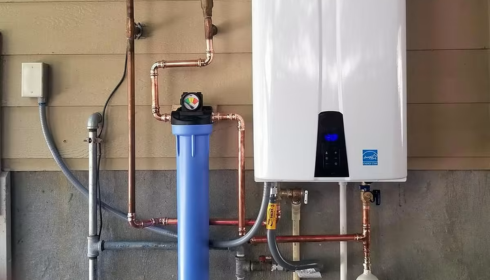
    Still, the move to tankless isn’t just about convenience. It’s about rethinking how we use energy at home. When you consider tankless water heater installation, you’re basically future-proofing your hot water system. Yes, the upfront cost can be a little intimidating, but the long-term savings in energy bills and the extended lifespan often balance the scales. It’s one of those home investments that feels more like upgrading a lifestyle than simply swapping an appliance.


    When Repairs Aren’t Enough

    But let’s not sugarcoat things: sometimes the damage is too far gone. A leaking tank, severe corrosion, or a system that’s simply outlived its expected years can make replacement unavoidable. And when that day comes, it rarely aligns with a “convenient” moment. Maybe it’s the day before family visits. Maybe it’s in the dead of January, when waiting even a day feels impossible.

    That’s when emergency water heater replacement becomes more than a phrase—it’s a lifeline. Reputable local services understand this urgency. They don’t just schedule you into a two-week queue; they show up, often same-day, with the equipment and know-how to get you back to steaming showers and sanitized dishes. Honestly, that kind of peace of mind is priceless.


    Balancing Practicality with Long-Term Thinking

    One thing I’ve learned, both from personal mishaps and listening to homeowners swap horror stories, is that water heater decisions are a balancing act. You can’t always throw money at the newest tech, but patching up a hopeless system isn’t cost-effective either. The sweet spot usually lies in asking the right questions:

    • How old is the unit, really?
    • Are the repairs a band-aid, or will they extend the system’s life meaningfully?
    • What’s your family’s actual hot water demand, not just today but in the next five years?

    Answering those honestly helps frame whether repair, replacement, or an upgrade makes the most sense. And if you’re on the fence, professionals often provide consultations that walk you through the costs, pros, and drawbacks in plain language.


    A Local Perspective

    Hutchinson isn’t a massive metro area, and that actually works in residents’ favor. Local repair and installation services tend to be more personal, more responsive. You’re not just another ticket in a nationwide queue; you’re someone’s neighbor, someone they might bump into at the grocery store. That kind of accountability changes the quality of service.

    I’ve seen families relieved after quick repairs that kept costs manageable. I’ve also seen others embrace the switch to tankless, marveling at how much cleaner and more efficient their homes feel. And yes, I’ve heard about emergency replacements that saved holiday gatherings from being a total wash—literally.


    Closing Thoughts

    Hot water is one of those things you don’t appreciate until it’s gone. But when it does vanish, whether through a minor hiccup or a full-on breakdown, knowing your options makes all the difference. Repairs can breathe life into an older system. Tankless installs can transform daily routines. And emergency replacements? They can save the day when everything else fails.

  • Clean Water, Clear Mind: Why More Texas Homes Are Turning to Filtration Systems

    Clean Water, Clear Mind: Why More Texas Homes Are Turning to Filtration Systems

    Water. It’s one of those everyday things you don’t really think about until something feels off. Maybe it’s that faint chlorine smell when you pour a glass, or the way the tap water tastes just a little metallic. Most of us shrug it off, but here’s the truth—what flows from the faucet can shape everything from how your morning coffee tastes to how healthy your family feels over the long haul.

    In Texas, especially around Houston and Sugar Land, water quality isn’t exactly the same from one home to the next. The source, the pipes, even the treatment processes at municipal plants all play a role. Some households deal with hard water leaving stains on fixtures, while others worry about contaminants or odd flavors. And that’s where the conversation about home water filtration gets real.

    Why Water Quality Hits Closer to Home Than You Think

    When people talk about wellness, they usually go straight to diet and exercise. But water—the thing you drink every single day—is just as important. It’s the base for soups, smoothies, even pasta. It runs through every pot of coffee and every refillable water bottle you carry around. If it’s not clean, you notice, even if only subtly.

    Houston’s water supply meets safety standards, but “meeting standards” doesn’t always mean “tastes great” or “feels fresh.” That’s why more families are exploring customized filtration setups. Instead of one-size-fits-all filters that only mask the problem, the new generation of systems actually treats the water at its source. Local providers, including the occasional Brita PRO dealer Houston, have become go-to resources for households that want something more than a basic pitcher filter on the counter.

    The Rise of Smarter Drinking Water Options

    If you think filtration just means slapping a filter onto your tap, you’ll be pleasantly surprised by how advanced things have become. Whole-home systems can handle everything—chlorine, sediment, heavy metals—before the water ever reaches your kitchen sink or bathroom showerhead. Point-of-use systems focus on drinking water, offering crisp, purified results that rival bottled water.

    What’s especially interesting is how families are personalizing their setups. A household that relies heavily on well water in the outskirts might need a completely different solution than a downtown condo. That flexibility has fueled the rise of companies offering tailored drinking water solutions Texas homeowners can count on, rather than cookie-cutter fixes.

    And it’s not just about health. Think of the money saved by cutting back on bottled water purchases. Think of the reduced waste, fewer plastic bottles tossed in the recycling bin or landfill. In an era where people are more conscious about sustainability, water filtration feels like one of those small, practical steps that adds up.

    Sugar Land’s Growing Interest in Filtration

    Sugar Land has always been one of those communities where families invest in comfort and convenience, and water filtration has quietly joined that list. Between new housing developments and older neighborhoods with aging plumbing, the demand is real. Parents want peace of mind that their kids are drinking clean water, and homeowners want to avoid the annoyance of mineral buildup in appliances.

    Interestingly, local providers are making it easier than ever. Some offer rent-to-own programs, others set up flexible maintenance schedules. It’s no longer the luxury it once was—it’s become surprisingly accessible. That shift explains why terms like affordable water filtration Sugar Land are being searched more than ever. People aren’t just curious; they’re ready to make the change.

    A Practical Upgrade, Not Just a Luxury

    Maybe the best way to think about a filtration system is as a home upgrade that pays for itself in everyday ways. That smooth glass of water after a run. The tea that tastes a little more like it’s meant to. Showers that don’t leave your skin feeling dry. Even dishes that come out of the dishwasher with fewer water spots.

    It’s the kind of difference that’s hard to measure in numbers, but easy to notice once you’ve lived with it for a while. And just like a good mattress or a reliable air conditioner, it’s the sort of thing you kick yourself for not doing sooner.

    Choosing What Works for You

    If you’re considering making the leap, the best first step is getting your water tested. A local specialist can quickly tell you what’s in your supply and what type of system fits your household best. From there, you can decide whether a whole-home installation or a simpler point-of-use system is the right call.

    One thing’s certain: the technology has matured to the point where the results aren’t hit-or-miss anymore. You can expect consistent, noticeable improvements—and with proper upkeep, these systems last for years.

    Final Sip

    At the end of the day, water is more than a utility. It’s a part of life’s rhythm, something we consume and use dozens of times a day without giving it much thought. But when you do stop to think, it makes sense to demand the best quality you can get.

  • When Appliances Fail: Finding Real Help Without the Hassle

    When Appliances Fail: Finding Real Help Without the Hassle

    There’s a particular type of frustration that sneaks up on you when an appliance gives out at the worst possible time. Picture this: you’ve got a fridge stocked with groceries after a big shopping trip, only to realize it’s not cooling. Or maybe your washing machine decides to stop mid-cycle, leaving your laundry soaking in soapy water. It’s these moments that remind us just how much we rely on our household appliances. They’re not just machines; they’re the quiet backbone of daily life. And when they fail, the need for quick, trustworthy help becomes crystal clear.

    Now, sure, you could hop on your phone, type “repair near me,” and roll the dice on the first name that pops up. But we both know that’s risky. The difference between a repair done right and one done haphazardly isn’t just about convenience—it can mean the difference between extending the life of your appliance or having to replace it entirely. That’s where it pays to understand what to look for when the unexpected happens.


    Why Emergencies Call for Steady Hands

    The truth is, appliance breakdowns rarely happen at convenient times. Your oven might stop heating just before family dinner, or the dishwasher could call it quits right after hosting a party. When panic sets in, the temptation to go with “fastest” instead of “best” is strong. But that’s exactly when careful decisions matter most.

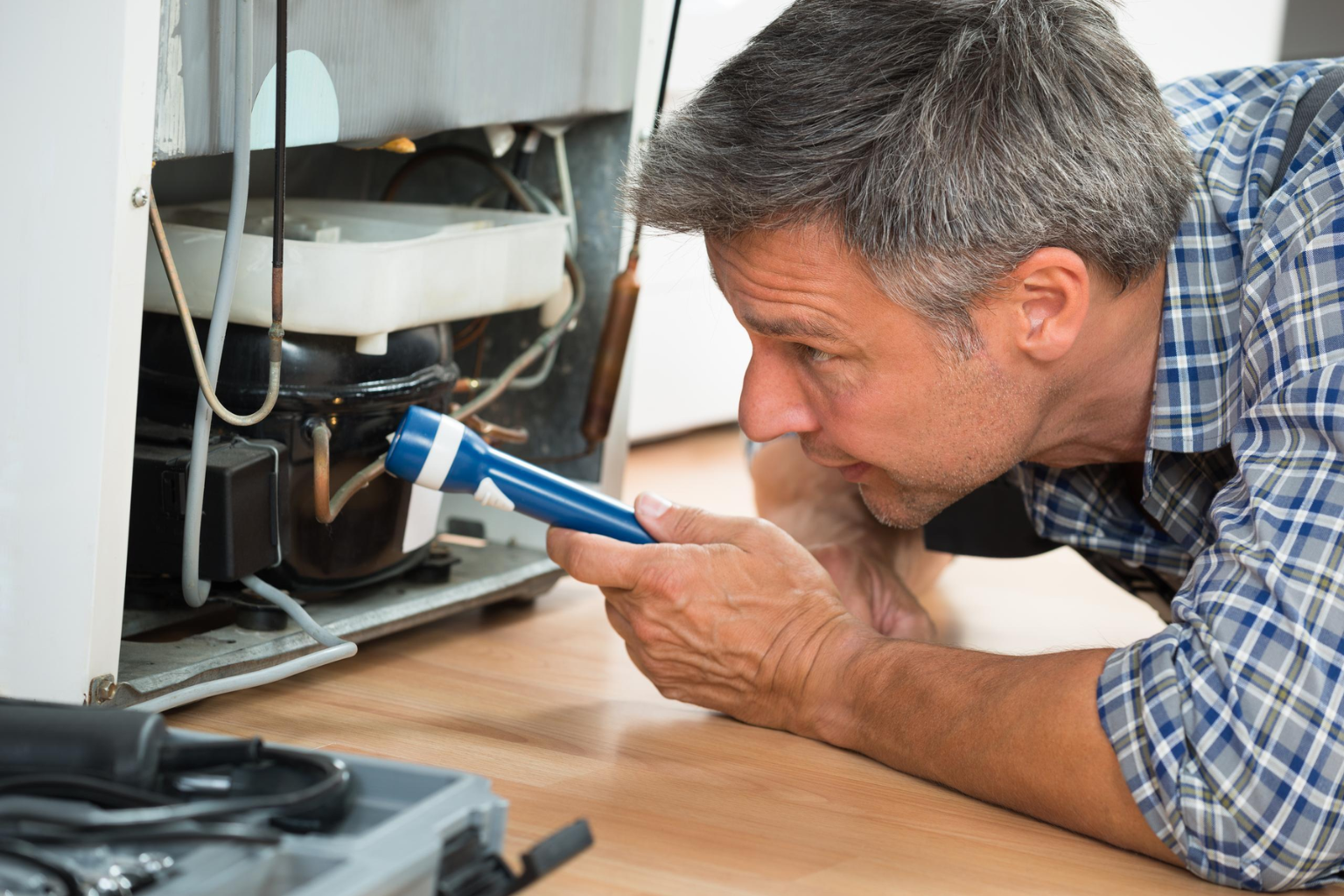
    There are local providers in South Carolina who specialize in emergency appliance repair SC, and their value goes beyond simply showing up quickly. They’re equipped to handle high-stress situations with both speed and skill, meaning you don’t have to gamble with further damage or botched fixes. A technician who knows their craft will not only get you running again but will also spot hidden issues that might save you from another breakdown a few weeks later. That kind of foresight is priceless.


    The Brand-Specific Advantage

    Not every appliance is built the same. You probably already know that a Whirlpool washer isn’t going to have the same quirks as a Samsung fridge or a GE oven. This is where specialized expertise comes in. If you happen to own Whirlpool products, for instance, it makes sense to lean on local services that focus specifically on them. There’s a reason why Whirlpool appliance repair Columbia has become a go-to search for many homeowners—it’s about finding someone who actually understands the inner workings of your machine rather than just taking a wild guess.

    Having a brand-focused technician in your corner isn’t just a comfort, it’s a safeguard. They’re more likely to have the right replacement parts on hand and the know-how to install them without trial and error. In short, they’re not experimenting on your time or your dime.


    The Human Side of Repairs

    Beyond skill and speed, there’s another piece that people sometimes forget: trust. You’re letting someone into your home, often in moments of stress, and that requires more than technical knowledge. It requires a professional who treats your problem with empathy. The best technicians explain what they’re doing in plain language, don’t drown you in jargon, and help you understand how to avoid the same issue down the road.

    It’s this human side of the job that separates a good repair experience from a bad one. Some of the most seasoned professionals, especially those who are certified appliance technicians, approach each job as if they were fixing something in their own home. That mindset brings peace of mind you just can’t fake.


    What to Look For Before You Call

    If you’re trying to sort through the noise and find the right repair service, here are a few real-world things to keep in mind:

    • Reputation matters. A company with consistent positive reviews likely earned them by showing up on time, charging fairly, and fixing problems right the first time.
    • Availability is key. Emergencies don’t wait, so services that clearly advertise same-day or after-hours help are worth bookmarking.
    • Transparency saves headaches. The best technicians will tell you upfront what the service call covers and what potential costs might look like if parts are needed.
    • Credentials count. Certification shows that a technician has taken the time to prove their expertise instead of winging it.

    Checking off these boxes before you make the call can make all the difference between a stress-free repair and a drawn-out ordeal.


    The Bigger Picture

    When you zoom out, appliance repair is really about protecting both your investment and your sanity. Buying new appliances isn’t cheap, and there’s no need to replace something prematurely if it can be restored with the right touch. On top of that, choosing repair over replacement is often the more eco-friendly option—less waste in landfills, fewer raw materials being used, and a smaller carbon footprint.

    It also means keeping your household running smoothly without unnecessary disruptions. Think about how much harder daily life would be without a functioning refrigerator or washer. The cost of repairs pales in comparison to the chaos of losing those modern conveniences for good.


    Closing Thoughts

    At the end of the day, appliances are meant to make life easier, not harder. When they break down, the right help can feel like a lifeline. Whether you’re dealing with an urgent situation in the middle of the night or a simple repair that could save you hundreds, choosing wisely is the secret. Go with local professionals who bring speed, knowledge, and a human touch.

    Because in those stressful moments when the dishwasher floods your kitchen or the dryer refuses to start, it’s not just about fixing a machine—it’s about restoring a little peace of mind to your home. And that, more than anything, is what makes the right repair service worth it.

  • When Your Water Carries More Than Just Memories: Understanding and Tackling Nitrate Contamination

    When Your Water Carries More Than Just Memories: Understanding and Tackling Nitrate Contamination

    There’s something deeply comforting about a glass of water drawn straight from your own well. It feels independent, like you’re not tied to the municipal system, not reliant on a monthly bill to keep your family hydrated. But here’s the truth that sneaks up on many homeowners: well water isn’t always as pure as we imagine. And one of the most stubborn, invisible troublemakers hiding in that clear glass is nitrate.

    I remember chatting with a neighbor who had lived on well water for years. He swore it was “as clean as mountain springs.” Then one day, a water test flipped that narrative upside down. High nitrate levels. It’s the kind of discovery that rattles you—because you can’t see or taste it, but the risks to health are real. Babies, especially, are vulnerable. Pregnant women, too. And even for otherwise healthy adults, long-term exposure can carry consequences no one wants to gamble with.

    So, what do you actually do about it? That’s where understanding nitrate removal from water becomes more than just technical talk—it becomes personal.


    Why Nitrates Sneak Into Our Wells

    The irony is that nitrates aren’t some alien chemical invading from outer space. They come from life itself—fertilizers feeding crops, manure enriching fields, and even decaying plant matter. Rain and irrigation wash those compounds downward, straight into groundwater. And once they’re there, they don’t politely leave on their own.

    What makes it trickier is how widespread the problem is. Rural areas, farming communities, places where wells are common—you’ll often find nitrate levels creeping up. People assume that if their water looks crystal clear, it must be safe. Unfortunately, contamination doesn’t always show itself with color, odor, or taste. It’s one of those “silent” issues you only discover through proper testing.


    The Hidden Risks That Hit Home

    Nitrates in drinking water are particularly infamous for causing what’s sometimes called “blue baby syndrome,” a dangerous condition in infants that interferes with oxygen in the blood. That alone should be enough to get any parent’s attention. But even beyond that, some studies link long-term nitrate exposure to higher risks of certain cancers and thyroid problems.

    It’s not fear-mongering—it’s a reminder that protecting your water is protecting your health. People often invest thousands into kitchen remodels, backyard decks, or new furniture, yet water—the one thing we literally consume every single day—sometimes gets overlooked.


    The Tools That Actually Work

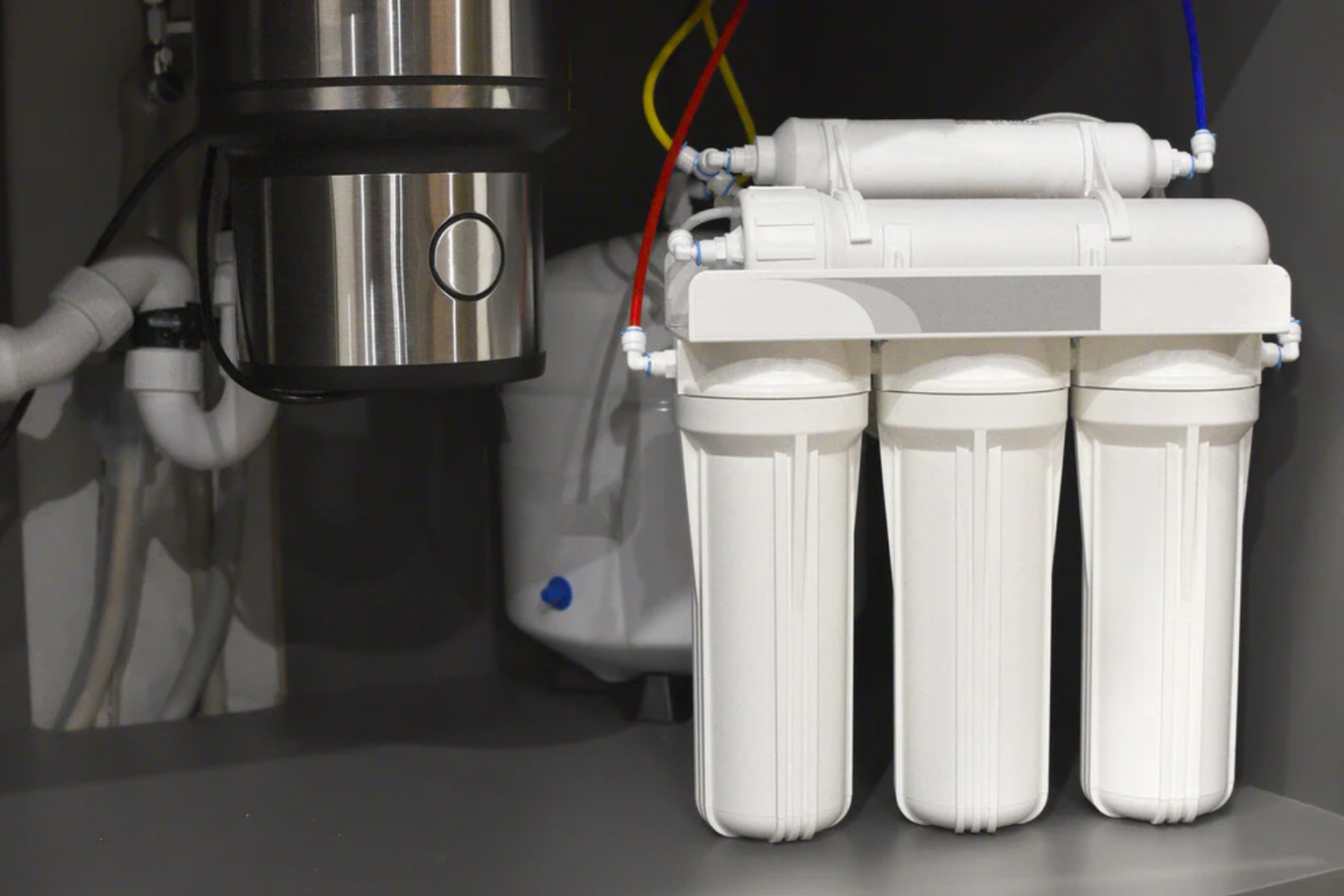
    So, how do you fight back? The good news is that science has already solved this problem, and homeowners have options. Reverse osmosis is one of the most popular solutions. Picture it as a very fine barrier that weeds out contaminants, nitrates included, while letting the clean water pass through. Distillation, another method, works by boiling and condensing water, leaving unwanted elements behind.

    But for most families looking for something that balances effectiveness with practicality, a nitrate filter system is often the go-to. It’s designed specifically to target and reduce those harmful compounds, and unlike a simple carbon filter (the kind you might find in a fridge pitcher), it’s engineered to deal with nitrates head-on.


    Living With Well Water Means Living With Responsibility

    Here’s the thing about wells: they’re yours, through and through. That’s a wonderful kind of freedom, but it also means no one’s watching over it for you. There’s no city department running routine tests. No anonymous worker flushing the system on your behalf. If you rely on a private well, testing your water regularly becomes non-negotiable.

    And when tests do show elevated levels, the path forward usually points toward well water nitrate treatment. It’s not about chasing some idea of perfection—it’s about ensuring peace of mind. When you turn on the tap for a glass of water or boil pasta for dinner, you shouldn’t have to wonder what’s lurking unseen.


    The Cost of Doing Nothing vs. Doing Something

    Some people hesitate to invest in treatment systems because of the upfront cost. I get it—nobody likes to drop a chunk of money on something invisible. But compare that to the cost of long-term health issues, or even just the constant anxiety of wondering whether your water is safe. Suddenly, the value of having reliable treatment at home looks a lot more obvious.

    And beyond the personal side, there’s also the bigger picture. Lowering nitrate levels in wells and households reduces overall environmental pressure. Less contamination means healthier soil, cleaner rivers, and a more balanced ecosystem. It’s one of those rare cases where a personal choice ripples outward.


    A Glass Worth Trusting

    Water is one of those everyday miracles we barely notice until something feels off. We trust it implicitly, pouring it into coffee mugs, baby bottles, or sports bottles without hesitation. But trust is earned, and when nitrates come into play, that trust needs a little backup.

    Whether through advanced filtration, routine testing, or thoughtful maintenance, protecting your water supply is one of those investments that pays you back every single day. It’s not about turning into a water expert or obsessing over every detail. It’s about knowing that the glass you hand to your child—or drink yourself late at night after mowing the lawn—is as safe as it looks.

  • Understanding Nitrates in Your Water: Why Testing and Treatment Really Matter

    Understanding Nitrates in Your Water: Why Testing and Treatment Really Matter

    It’s funny how we don’t often think twice about the glass of water we pour straight from the tap. We just assume it’s safe. Clean. Harmless. After all, it’s water, right? But the reality is a little less comforting. Across both rural and suburban areas, nitrates in groundwater and well water have become a sneaky concern, quietly building up through fertilizers, septic systems, and agricultural runoff. And unless you’ve gone out of your way to check, there’s a good chance you don’t actually know how much nitrate is swirling in your glass.

    This isn’t about fear-mongering—it’s about awareness. Understanding nitrates, their health risks, and how to keep them out of your drinking supply is something every homeowner should at least brush up on.


    Why Nitrates Are More Than Just a Technical Term

    On paper, nitrates sound like one of those scientific compounds that belong in a chemistry lab rather than your water supply. But here’s the catch: they’re tasteless, colorless, and odorless. Meaning you can’t simply detect them with your senses the way you might spot rust stains or taste chlorine. And they matter, especially for infants and pregnant women. High nitrate levels can interfere with how blood carries oxygen, sometimes leading to conditions like “blue baby syndrome.”

    For adults, the risks might look different, with long-term exposure being studied for links to certain health conditions. Regardless of the science’s ongoing discussions, no one wants unnecessary chemicals in their water—particularly when drinking it day after day.

    The first logical step is to test. A nitrate water testing kit gives you a straightforward way to know exactly what you’re dealing with. Think of it like stepping on a scale before starting a diet: you need the numbers before you can make a plan. These kits are often easy to use, requiring just a water sample and a little patience for results, and they can be purchased online or through local suppliers.


    The Source of the Problem: Where Do Nitrates Sneak In?

    It helps to understand how nitrates end up in the water in the first place. Most often, they filter down from farmland—fertilizers, manure, and even natural soil processes contribute. Private wells, in particular, are vulnerable since they’re not typically regulated the same way as municipal systems.

    Even households far removed from farming regions aren’t entirely immune. Septic tank leakage or poorly sealed wells can play their part. And once nitrates get in, they don’t magically disappear on their own. Unlike sediment, which can settle out, or chlorine, which dissipates, nitrates remain dissolved. This is why treatment becomes essential if testing shows your levels are high.


    Treatment: From Panic to Practical Solutions

    Here’s where homeowners often get overwhelmed. You test your water, find elevated nitrate levels, and suddenly you’re down the rabbit hole of online searches, scrolling through endless jargon about reverse osmosis, ion exchange, and distillation. It can feel more complicated than it actually is.

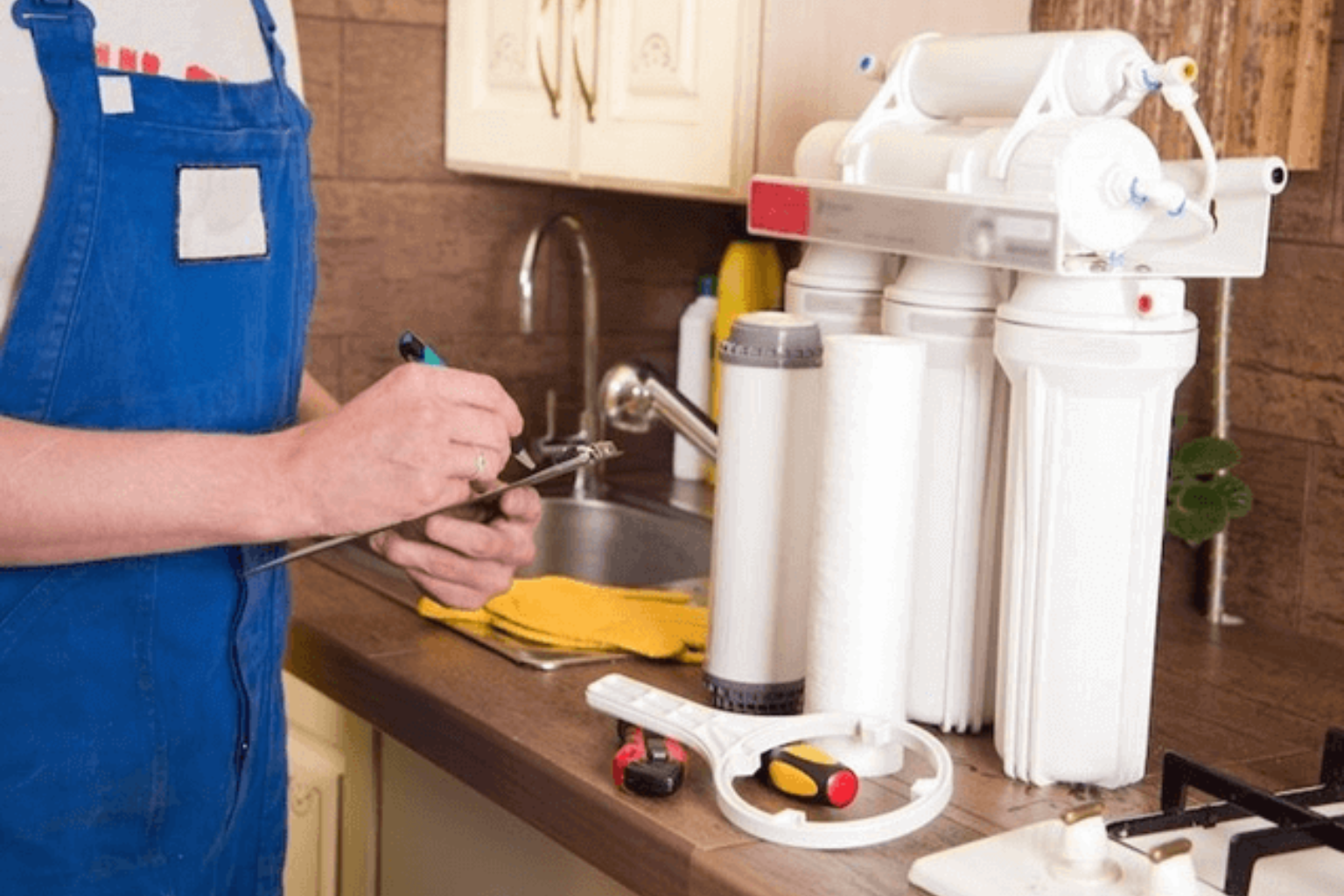
    At its core, what you’re looking for is a nitrate water removal system—a solution specifically designed to bring nitrate levels back within safe limits. Reverse osmosis is among the most popular choices. It uses a special membrane to filter out nitrates, along with a bunch of other potential contaminants. Ion exchange is another effective option, working much like a water softener but swapping out nitrates for less harmful ions.

    The right fit depends on your budget, household water use, and whether you want to treat the whole house or just drinking water from the kitchen sink.


    Long-Term Thinking: Prevention and Maintenance

    Testing and treatment are only half the battle. The other half is being proactive. Water, unlike most utilities, isn’t a “set it and forget it” kind of deal—especially for private well owners. Annual testing is strongly recommended, since nitrate levels can fluctuate with rainfall, farming cycles, and even local construction projects.

    If you do install a filtration system, keep in mind that maintenance isn’t optional. Filters and membranes eventually wear out, and if they’re neglected, your system will quietly stop doing its job. That’s one reason why partnering with a local water treatment professional can be worth it—they’ll remind you when service is due and ensure your setup continues to protect your family.

    Having a safe drinking water nitrate filter at home provides peace of mind, but only if it’s properly cared for. Clean water isn’t something you buy once—it’s a commitment to keeping an eye on your environment and making sure your equipment keeps pace.


    Why This Should Matter to Everyone (Even If You’re Not on a Well)

    It’s tempting to think nitrate issues are a “rural well” problem. And while private wells are the most common source of concern, city dwellers aren’t entirely in the clear. Municipal systems are regularly tested, but contamination events do happen. Plus, homes on the outskirts of town sometimes straddle that in-between space where oversight may not be as strict.

    Being informed, whether you’re in a farmhouse or an apartment complex, puts you ahead of the curve. It’s about not assuming safety but ensuring it.


    A Practical, Balanced Takeaway

    Water is life—it’s also something we take for granted until there’s a problem. Nitrates may not be the most glamorous issue, but they’re one of those invisible threats that deserve attention. Fortunately, the tools and technology exist to handle them. A simple test, the right treatment system, and a bit of upkeep can mean the difference between uncertainty and confidence every time you pour a glass.

  • When Plumbing Emergencies Knock at Your Door: Finding Fast and Reliable Help

    When Plumbing Emergencies Knock at Your Door: Finding Fast and Reliable Help

    There’s never a “good” time for a plumbing emergency. Somehow, clogged drains, overflowing toilets, or leaky pipes always seem to happen at the worst possible moment—late at night, right before guests arrive, or during that one morning when you’re already running behind. And when they strike, the first thing you want isn’t a lecture about what caused it. You want quick, reliable help that won’t cost you your sanity (or your savings).

    I’ve been there, standing in the middle of a kitchen with water pooling at my feet, wondering why the universe picked me for this little disaster. It’s moments like these that remind you just how much we rely on working plumbing every single day.


    Why speed matters more than anything

    When pipes burst or drains back up, it’s not just an inconvenience. Left unchecked, water damage can escalate quickly, warping floors, ruining furniture, and creating the perfect breeding ground for mold. That’s why having a trusted local plumber saved in your contacts is almost as important as knowing the number for roadside assistance.

    For instance, if you’ve ever had to deal with a drain that refuses to clear despite every DIY trick in the book, you know it’s time to call in the pros. This is when Emergency drain cleaning services become more than just a nice option—they’re a lifeline. Trained technicians arrive with the right tools, from high-powered snakes to hydro-jetting machines, to tackle blockages that simply can’t be budged with plungers or store-bought cleaners.


    Same-day solutions for everyday headaches

    What makes plumbing issues even more frustrating is their unpredictability. You don’t schedule a clogged sink. You don’t put “fix leaking toilet” on your weekly planner. These things just… happen. That’s why a Same day plumbing service can feel like a small miracle. Instead of waiting days for a technician to show up, you can get help within hours, minimizing stress and preventing bigger problems.

    Think about a dripping faucet or a shower that suddenly loses pressure. Sure, those might not seem urgent in the moment, but let them go unchecked and you might be looking at higher water bills—or worse, a hidden leak that damages the foundation of your home. Having a team you can call and get same-day support not only saves time but also money in the long run.


    The humble toilet: small fixture, big problems

    If there’s one plumbing issue most homeowners dread, it’s toilet trouble. A toilet that won’t flush properly, keeps running, or backs up at the wrong moment has a way of throwing life into chaos. And honestly, there’s only so much a plunger can do before you realize you need professional hands on the job.

    Searching for a Toilet repair plumber near me isn’t just about convenience; it’s about urgency. A malfunctioning toilet isn’t something you can ignore. It’s an essential part of daily life, and when it stops working, everything else feels like it’s on hold. Plumbers trained in toilet repair can diagnose whether it’s a worn-out flapper, a cracked seal, or something more serious in the pipes, saving you hours of frustration.


    DIY vs. calling the pros

    Now, don’t get me wrong—there’s something satisfying about tackling a small plumbing issue on your own. Tightening a loose faucet handle or unclogging a sink with a plunger can make you feel like a weekend warrior. But there’s a fine line between a quick fix and making things worse.

    Too often, people turn to online hacks—pouring boiling water, vinegar, or chemical cleaners into their pipes—without realizing the long-term damage those methods can cause. Corroded pipes, weakened seals, and chemical burns aren’t worth the risk. At the end of the day, hiring a professional doesn’t just solve the issue faster; it often saves you money by preventing future breakdowns.


    Building a relationship with your plumber

    Here’s something people don’t always think about: finding a plumber isn’t just about the next emergency. It’s about building a relationship. Just like you probably go to the same mechanic for your car, having a reliable plumbing company on speed dial means you’re not scrambling in the middle of a crisis.

    Good plumbers don’t just fix problems—they give you advice, help you understand your system, and sometimes even point out potential issues before they turn into disasters. A professional who knows your home’s quirks can be the difference between a minor inconvenience and a costly repair.


    Peace of mind when you need it most

    Plumbing emergencies are stressful, sure. But knowing you have access to reliable, fast, and skilled help makes a world of difference. Whether it’s calling in Emergency drain cleaning services for that stubborn clog, booking a Same day plumbing service when a pipe springs a leak, or finding a trusted Toilet repair plumber near me to get your bathroom back in order, the peace of mind is worth every penny.