How Vinyl Wraps and Paint Protection Can Transform Your Vehicle
A vehicle says more than people sometimes realize. Its condition, color and overall appearance can influence how it’s perceived, whether it belongs to a business owner commuting to work or a car enthusiast who enjoys keeping every detail looking sharp.
That’s one reason vehicle wraps and protective films have become so popular. They offer ways to change the appearance of a vehicle without permanently repainting it, while certain protection products can help defend the original paint from everyday road hazards.
But these options aren’t interchangeable. Each has a different purpose, and understanding the difference makes it much easier to choose the right approach.
What Makes Vinyl Wraps So Appealing?
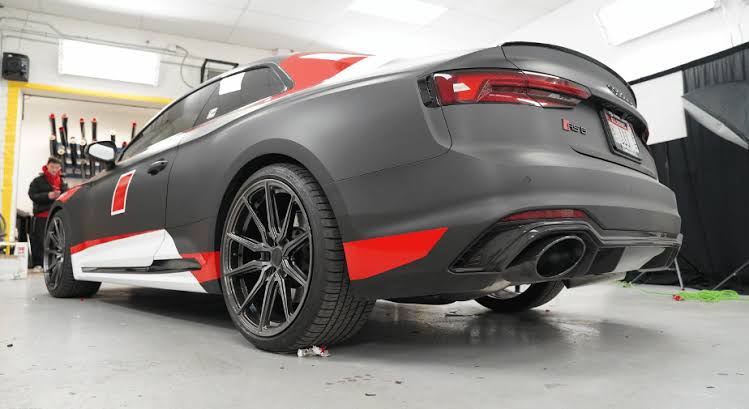
A vehicle wrap can completely change the visual character of a car, truck or van.
A business might use graphics and branding to turn a vehicle into mobile advertising. A private owner may simply want a new color without committing to a permanent paint job.
Modern 3m vinyl wrap products are available in a wide range of colors and finishes, making it possible to create anything from a subtle factory-style appearance to something much more dramatic.
The appeal isn’t only visual. A wrap can also be changed later. If a business updates its branding or a vehicle owner simply gets tired of a particular finish, the vinyl can potentially be removed and replaced.
Of course, the quality of the installation matters just as much as the material.
Wrap Design Should Work With the Vehicle
One common mistake is treating a vehicle like a flat billboard.
Cars and vans have curves, seams, handles, mirrors and body lines that affect how graphics appear. A good design accounts for those features rather than ignoring them.
For commercial vehicles, the most important information should remain easy to read. Company names, phone numbers and websites shouldn’t disappear around a corner or get lost behind a door seam.
For personal vehicles, the process can be more creative. Color changes, patterns and textured finishes can create a very different look without altering the original paint permanently.
The trick is knowing when enough is enough. A clever accent can be more effective than covering every available surface.
Adding Texture With Carbon Fiber Details
Not every vehicle needs a full wrap.
Sometimes a few carefully chosen accents are enough to change the appearance. Hood sections, mirrors, spoilers, roof panels and interior trim can all become opportunities for customization.
Carbon fiber wrap accents can add a sporty, technical feel without requiring actual carbon fiber components. They can be particularly effective when used sparingly.
Think of it like seasoning food. A little can make everything more interesting. Too much, and it starts overpowering the original character.
The quality of the pattern also matters. Poor alignment can make a carbon fiber effect look artificial, especially across larger surfaces where the weave direction becomes obvious.
Wrapping Isn’t the Same as Paint Protection
This distinction is important.
Vinyl wrap is primarily used for appearance and branding, although it may offer some degree of surface protection from everyday exposure.
Paint protection film, on the other hand, is specifically designed with protection in mind.
PPF paint protection film is typically a clear or nearly transparent film applied to vulnerable painted areas. Depending on the product, it can help protect against things such as stone chips, minor road debris and light surface scratches.
Common application areas include the front bumper, hood, mirrors and fenders.
For vehicles regularly driven on highways, that protection can be particularly useful. A single stone hitting the front bumper can create an annoying paint chip that stands out every time you wash the car.
When PPF Makes More Sense
If preserving the original paint is the main goal, protective film may be the better choice.
A new vehicle owner, for example, may want to keep the factory finish looking fresh for as long as possible. Applying PPF to high-impact areas can provide an additional layer between the paint and everyday road hazards.
It doesn’t make the vehicle invincible, of course.
The film can still be damaged, and not every scratch or impact will disappear. Expectations should remain realistic.
Still, for people who care about maintaining a vehicle’s appearance and resale condition, strategically applied protection can be worthwhile.
Can You Combine Wrap and PPF?
In some situations, yes.
A vehicle might receive a color-changing wrap while particularly vulnerable areas receive protective film. However, the compatibility of the materials and installation process needs to be considered carefully.
The order of application can matter, and not every combination is appropriate for every product.
This is one reason it’s helpful to discuss the complete plan with an experienced installer rather than purchasing products separately and hoping they work together.
Preparation Is the Quiet Part of a Great Finish
Regardless of the material, surface preparation matters.
Dust, wax, grease and contaminants can interfere with adhesion. Existing paint damage may also affect how a wrap or film performs.
A clean, properly prepared surface gives the installer a better foundation.
This stage can feel like unnecessary waiting when you’re excited to see the finished vehicle, but rushing preparation is rarely worth it. A flawless-looking wrap starts long before the first piece of vinyl touches the paint.
Maintenance Keeps Everything Looking Better
Once a wrap or protective film is installed, reasonable maintenance can help extend its useful life.
Regular washing removes dirt and road grime. Harsh chemicals and abrasive cleaning tools should generally be avoided unless the manufacturer specifically recommends them.
Automatic car washes can vary considerably, so owners should check whether the cleaning method is suitable for the installed material.
It’s also wise to remove bird droppings, tree sap and other contaminants promptly. Letting them sit for long periods can make cleaning more difficult.
Choosing the Right Option
The right product depends on what you actually want to accomplish.
Choose a vinyl wrap when changing the vehicle’s appearance or adding branding is the priority. Consider protective film when preserving the original paint is the main concern. Use accents when you want smaller visual changes rather than a complete transformation.
There isn’t a single perfect solution for every vehicle.
Budget, driving conditions, expected lifespan and personal taste all matter.
A Better Way to Think About Vehicle Appearance
Vehicle customization doesn’t have to mean choosing between style and practicality.
With thoughtful planning, owners can change the look of a vehicle while protecting important surfaces at the same time. Businesses can create memorable branding without permanently altering their fleet. Enthusiasts can experiment with colors, textures and accents without committing to a permanent paint change.
The key is understanding what each material is designed to do.
A well-installed wrap can make a vehicle stand out. Protective film can help preserve vulnerable paint. Small accents can add personality without overwhelming the design.
And when good materials are paired with careful preparation and skilled installation, the finished vehicle can look genuinely impressive—without sacrificing the practical considerations that matter after the excitement of the first day wears off.