Category: Home Services

  • When Plumbing Emergencies Knock at Your Door: Finding Fast and Reliable Help

    When Plumbing Emergencies Knock at Your Door: Finding Fast and Reliable Help

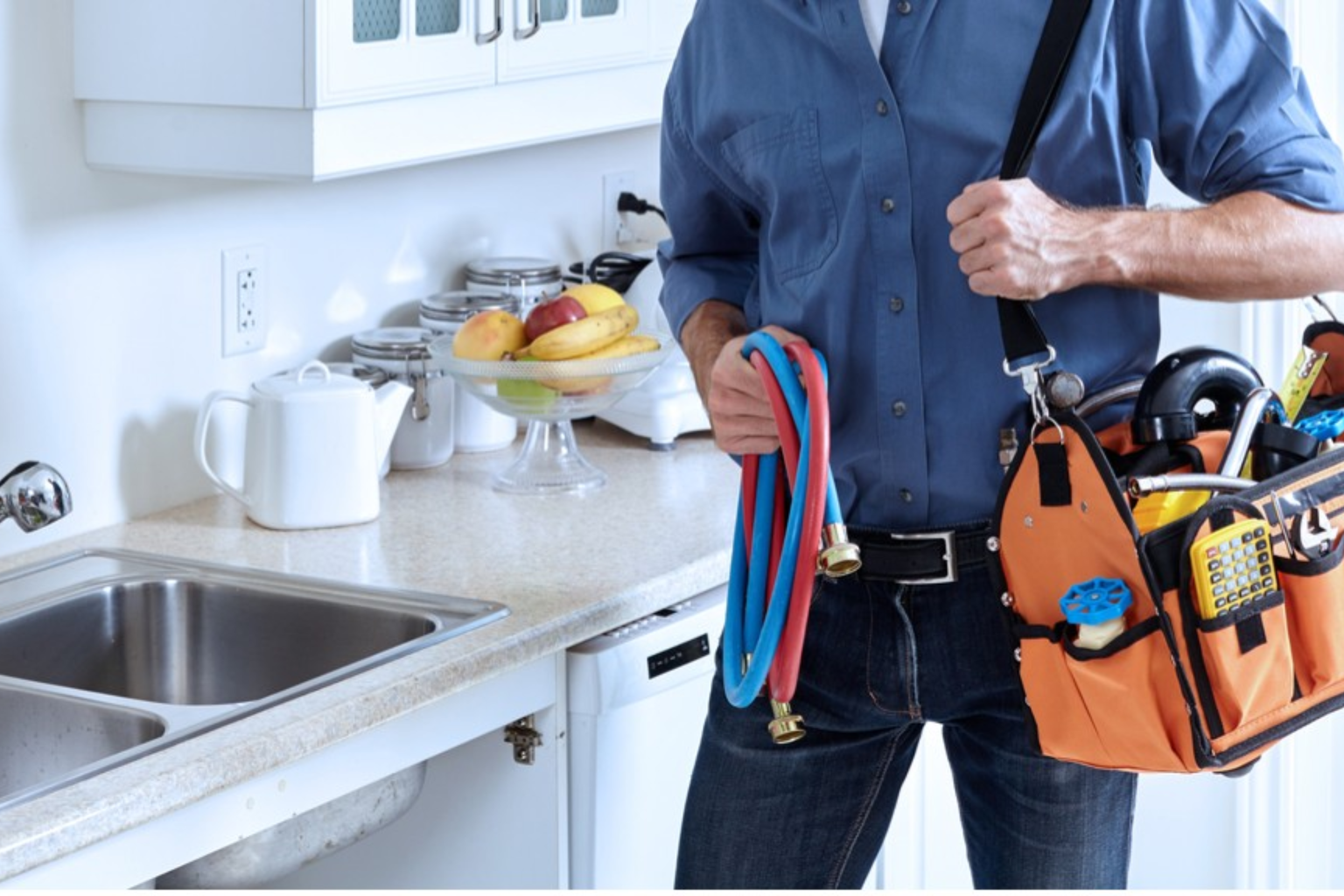
    There’s never a “good” time for a plumbing emergency. Somehow, clogged drains, overflowing toilets, or leaky pipes always seem to happen at the worst possible moment—late at night, right before guests arrive, or during that one morning when you’re already running behind. And when they strike, the first thing you want isn’t a lecture about what caused it. You want quick, reliable help that won’t cost you your sanity (or your savings).

    I’ve been there, standing in the middle of a kitchen with water pooling at my feet, wondering why the universe picked me for this little disaster. It’s moments like these that remind you just how much we rely on working plumbing every single day.


    Why speed matters more than anything

    When pipes burst or drains back up, it’s not just an inconvenience. Left unchecked, water damage can escalate quickly, warping floors, ruining furniture, and creating the perfect breeding ground for mold. That’s why having a trusted local plumber saved in your contacts is almost as important as knowing the number for roadside assistance.

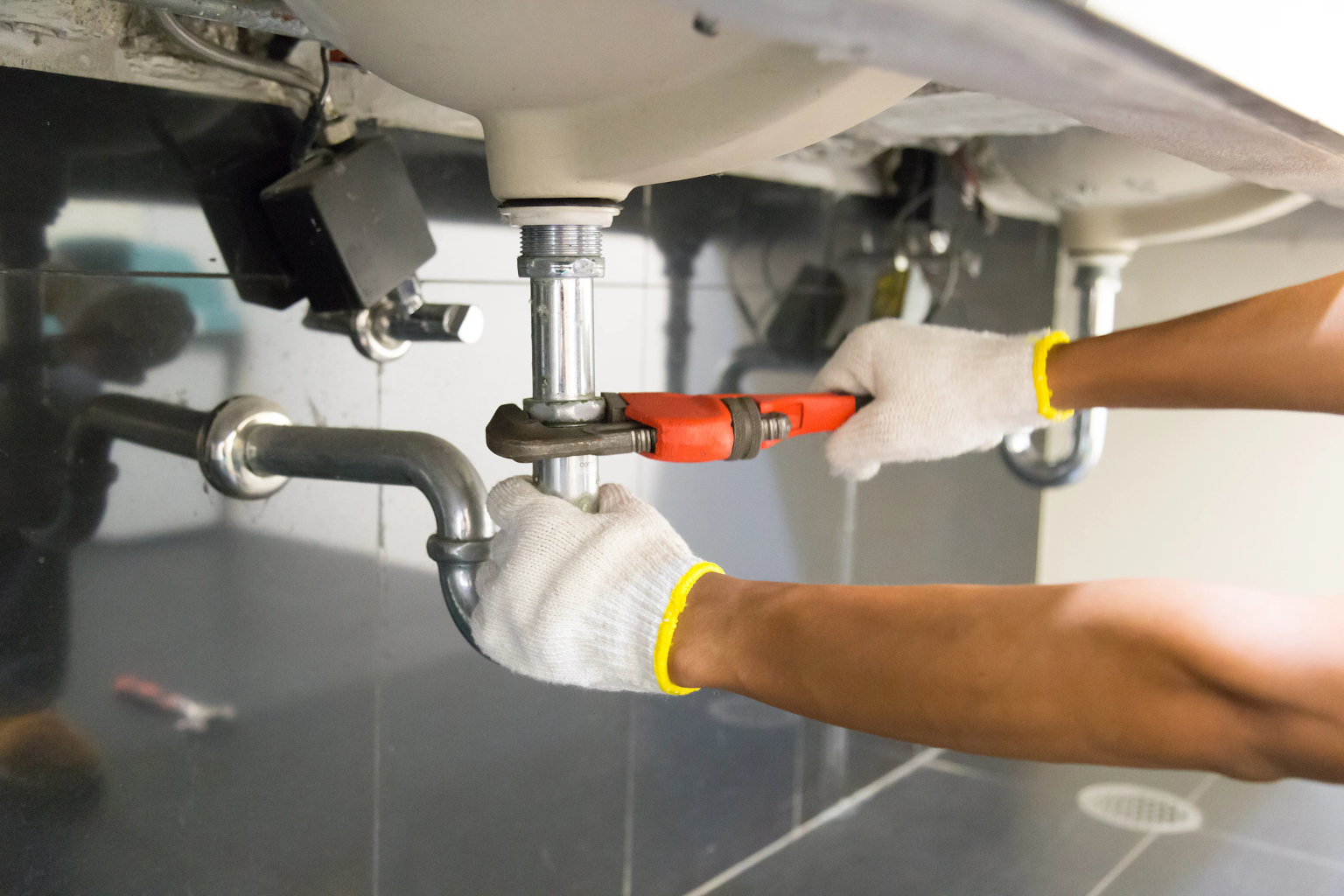
    For instance, if you’ve ever had to deal with a drain that refuses to clear despite every DIY trick in the book, you know it’s time to call in the pros. This is when Emergency drain cleaning services become more than just a nice option—they’re a lifeline. Trained technicians arrive with the right tools, from high-powered snakes to hydro-jetting machines, to tackle blockages that simply can’t be budged with plungers or store-bought cleaners.


    Same-day solutions for everyday headaches

    What makes plumbing issues even more frustrating is their unpredictability. You don’t schedule a clogged sink. You don’t put “fix leaking toilet” on your weekly planner. These things just… happen. That’s why a Same day plumbing service can feel like a small miracle. Instead of waiting days for a technician to show up, you can get help within hours, minimizing stress and preventing bigger problems.

    Think about a dripping faucet or a shower that suddenly loses pressure. Sure, those might not seem urgent in the moment, but let them go unchecked and you might be looking at higher water bills—or worse, a hidden leak that damages the foundation of your home. Having a team you can call and get same-day support not only saves time but also money in the long run.


    The humble toilet: small fixture, big problems

    If there’s one plumbing issue most homeowners dread, it’s toilet trouble. A toilet that won’t flush properly, keeps running, or backs up at the wrong moment has a way of throwing life into chaos. And honestly, there’s only so much a plunger can do before you realize you need professional hands on the job.

    Searching for a Toilet repair plumber near me isn’t just about convenience; it’s about urgency. A malfunctioning toilet isn’t something you can ignore. It’s an essential part of daily life, and when it stops working, everything else feels like it’s on hold. Plumbers trained in toilet repair can diagnose whether it’s a worn-out flapper, a cracked seal, or something more serious in the pipes, saving you hours of frustration.


    DIY vs. calling the pros

    Now, don’t get me wrong—there’s something satisfying about tackling a small plumbing issue on your own. Tightening a loose faucet handle or unclogging a sink with a plunger can make you feel like a weekend warrior. But there’s a fine line between a quick fix and making things worse.

    Too often, people turn to online hacks—pouring boiling water, vinegar, or chemical cleaners into their pipes—without realizing the long-term damage those methods can cause. Corroded pipes, weakened seals, and chemical burns aren’t worth the risk. At the end of the day, hiring a professional doesn’t just solve the issue faster; it often saves you money by preventing future breakdowns.


    Building a relationship with your plumber

    Here’s something people don’t always think about: finding a plumber isn’t just about the next emergency. It’s about building a relationship. Just like you probably go to the same mechanic for your car, having a reliable plumbing company on speed dial means you’re not scrambling in the middle of a crisis.

    Good plumbers don’t just fix problems—they give you advice, help you understand your system, and sometimes even point out potential issues before they turn into disasters. A professional who knows your home’s quirks can be the difference between a minor inconvenience and a costly repair.


    Peace of mind when you need it most

    Plumbing emergencies are stressful, sure. But knowing you have access to reliable, fast, and skilled help makes a world of difference. Whether it’s calling in Emergency drain cleaning services for that stubborn clog, booking a Same day plumbing service when a pipe springs a leak, or finding a trusted Toilet repair plumber near me to get your bathroom back in order, the peace of mind is worth every penny.
  • Plumbing Help When You Need It Most: Reliable Services Across New Mexico

    Plumbing Help When You Need It Most: Reliable Services Across New Mexico

    Plumbing is one of those things most of us don’t think about until it goes sideways. Day after day, you turn on the faucet, run the washing machine, flush the toilet — and it all just works. Until it doesn’t. Then suddenly, the entire household feels thrown off balance. One little leak under the sink can make you nervous, and one broken water heater can bring daily life to a halt.

    That’s when it matters to have access to professional home plumbing services New Mexico residents can count on. Because when you’ve got a family waiting for showers, dishes piling up, or guests arriving in a few hours, you don’t need theory or guesswork — you need someone who can show up and get things running again.


    The Little Things Add Up

    Not every plumbing call is about emergencies. Sometimes it’s the kitchen drain that’s been slow for months, or the faucet that drips just enough to keep you awake at night. It may not feel urgent, but those little annoyances cost money on water bills and, left unchecked, can turn into bigger problems.

    Getting them fixed early is part of protecting your home. Think of it like changing the oil in your car — routine upkeep that prevents breakdowns down the road. And honestly, it feels good when everything just works the way it should.


    Businesses Depend on It Too

    We usually picture plumbing problems happening in houses, but local businesses deal with them just as often. Restaurants can’t operate with clogged sinks. Schools need working restrooms for hundreds of students every day. Even small shops rely on steady water supply and drainage to keep things running.

    That’s why reliable household plumbing services New Mexico aren’t just about homeowners. They’re also about keeping the whole community functioning smoothly. When plumbers step in, they’re not just solving one person’s problem; they’re helping entire businesses avoid downtime that could ripple through the town.


    Why Local Knowledge Matters

    Here’s something a lot of people don’t think about: plumbing isn’t the same everywhere. The water quality, the soil, even the way older houses were built in New Mexico all play a part in how plumbing systems behave. Local plumbers know these quirks. They’ve seen the way hard water eats at fixtures or how older pipes need special attention.

    That kind of insight is priceless. It means problems are solved faster, and solutions last longer, because they’re designed with local conditions in mind.


    When It’s More Than Just Inconvenience

    A leaky faucet might not ruin your day. But a burst pipe? That’s another story. Plumbing emergencies always seem to happen at the worst times — in the middle of the night, on a holiday, or just before company shows up. That’s when having a trusted 24/7 plumber near me becomes the difference between a crisis and a quick fix.

    It’s not just about speed, though that matters. It’s about peace of mind. Knowing that someone will answer the phone, show up, and take control of the situation eases the panic when water is gushing across your floor at 2 a.m.


    The Human Side of Plumbing

    Behind every toolbox is a person who shows up at your door. And honestly, the best plumbers bring more than just skill — they bring empathy. They know you’re stressed, maybe embarrassed, and definitely hoping the problem can be solved quickly. A good plumber takes the time to explain what went wrong, lays out your options, and doesn’t make you feel clueless for asking questions.

    That human connection matters. Long after the water is running again, what you’ll remember is how you were treated in a stressful moment.


    Balancing Cost and Quality

    Let’s be real: nobody likes the bill that comes after plumbing work. But there’s a big difference between “cheap” and “fair.” A too-good-to-be-true price often means corners were cut, and you’ll be calling again in a few weeks. True value is in transparent pricing paired with solid workmanship — work that lasts, not just work that patches things up temporarily.

    When you can trust that you’re getting honest advice, clear estimates, and no hidden surprises, it makes paying the bill a lot easier to swallow.


    Prevention Over Panic

    Here’s the quiet truth: most plumbing emergencies are preventable. Regular maintenance — like drain cleaning, checking water heaters, and inspecting older pipes — can catch issues before they blow up. It’s not exciting, but it saves money and stress. Just like a checkup at the doctor, a little attention now means avoiding major problems later.

    Professional plumbers don’t just react; they help you prepare. And that kind of foresight is what keeps homes and businesses running smoothly.


    Wrapping It All Up

    Plumbing might not be something you celebrate, but it’s the backbone of daily comfort. When it works, you hardly notice it. When it fails, suddenly it’s all you can think about.

    That’s why finding the right professionals is so important. Whether it’s a dripping faucet, a commercial project, or a late-night emergency, skilled plumbers keep life moving. They restore not just your water flow, but your peace of mind.

    In New Mexico, reliable plumbing support isn’t just about fixing pipes — it’s about protecting homes, keeping businesses open, and making sure daily routines don’t come undone. And honestly, that’s worth more than most of us realize… at least until the day we need it.

  • Why Choosing the Right Water Softener System Makes a Bigger Difference Than You Think

    Why Choosing the Right Water Softener System Makes a Bigger Difference Than You Think

    Walk into any home improvement aisle or plumbing showroom, and you’ll see water softeners lined up like they’re all the same. But here’s the thing: they’re not. Behind every shiny tank and neat control panel is a story about how well it’ll serve your household. Hard water is sneaky—it doesn’t cause a dramatic disaster overnight. Instead, it quietly builds limescale in pipes, wears out appliances, and leaves you scrubbing soap scum more often than you’d like. Picking the right softener isn’t just about convenience—it’s about protecting your home’s entire water system.

    The Real Cost of Hard Water

    If you’ve ever replaced a washing machine years before its time or watched your water heater struggle with efficiency, chances are, hard water played a role. Minerals like calcium and magnesium don’t just float around harmlessly—they cling to everything they touch. Over time, they restrict flow in pipes, clog fixtures, and force appliances to use more energy. It’s almost like running a marathon while carrying a backpack full of rocks—everything works harder, breaks faster, and costs you more.

    The beauty of water softeners is that they take this hidden burden away. And not just for your plumbing—your skin, hair, and even laundry feel the difference. That soft, almost silky water you notice in some hotels? Yep, that’s a good water softener at work.

    Why Certification Matters More Than Labels

    Now, let’s talk trust. Anyone can slap a label on a product claiming it’s “high quality,” but when it comes to something as essential as the water you drink, cook with, and bathe in, proof matters. That’s where NSF certified water softener systems step in.

    NSF certification isn’t just a fancy sticker—it means the system has been independently tested for performance and safety. It guarantees the softener reduces hardness as promised and doesn’t introduce anything harmful back into your water. Think of it like a stamp of credibility, the kind that separates “just another gadget” from a serious long-term investment.

    Technology Is Changing the Game

    Water treatment has come a long way from those bulky, salt-guzzling machines of decades past. Today’s models are sleeker, smarter, and surprisingly efficient. Some even connect to Wi-Fi, letting you track water usage from your phone. But beyond the bells and whistles, there’s serious science making these systems work better than ever.

    Many of the latest units use advanced water treatment technology, combining multiple processes to handle not only hard water but also issues like iron, chlorine, or odd tastes and odors. That means your softener isn’t just making your water feel nice—it’s making it safer and cleaner too. For families who are concerned about long-term health and sustainability, this shift toward smarter, greener systems is a welcome change.

    The Installation Question Nobody Talks About

    Here’s something most people overlook: even the best system in the world won’t do much if it’s poorly installed. Think of it like buying a luxury car but never tuning the engine. A proper setup ensures the softener runs at peak performance and lasts longer.

    This is where local expertise comes in. Depending on your region, water chemistry varies a lot. A pro who understands your local water supply can fine-tune the installation to fit your specific needs. And while some homeowners love the DIY challenge, there’s a strong case for professional help—especially when you consider the long-term savings. The good news? It doesn’t always mean breaking the bank. Many companies now offer cost-effective water softener installation, which balances affordability with peace of mind. In other words, you don’t have to choose between doing it yourself and paying a fortune.

    Energy Efficiency and the Bigger Picture

    Let’s zoom out for a second. A well-chosen water softener isn’t just about having shinier dishes or softer towels. It’s about reducing energy waste and protecting resources. For instance, a water heater free from limescale buildup doesn’t have to fight to heat water—it uses less electricity or gas. Multiply that by years of daily use, and you’re not just saving money—you’re lowering your environmental footprint.

    And that’s part of the bigger story: homes equipped with efficient water systems aren’t just more comfortable; they’re more sustainable. In a world where every little effort counts, installing the right system at home is a surprisingly powerful contribution.

    The Everyday Difference You Actually Feel

    Here’s where it gets personal. If you’ve never lived with softened water, you might think all this talk is exaggerated. But ask anyone who’s made the switch, and they’ll tell you: the difference is noticeable every single day. Soap lathers better. Clothes come out of the wash brighter and softer. Coffee tastes cleaner. Your shower feels different—more like rinsing in fresh rainwater than under a sticky stream.

    And while those might sound like small wins, they stack up into a quality-of-life improvement you can’t quite put a price on. It’s like comparing a scratchy wool sweater to one made of cashmere. Both keep you warm, but only one makes you sigh with comfort.

    Balancing Budget and Long-Term Value

    Of course, budgets matter. Not everyone is ready to drop thousands on a premium system with every possible feature. The key is balance—choosing something that fits your household size, water usage, and long-term goals. Going for the cheapest option often backfires because of maintenance costs or poor performance. On the other hand, the most expensive isn’t always necessary either.

    Think of it like buying shoes: you want durability, comfort, and value, not just the priciest brand name. The best water softener is the one that fits your life and makes daily living easier, without draining your wallet in the process.

    Final Thoughts: A Quiet Investment That Pays Off

    Water softeners aren’t flashy purchases. Nobody throws a party because they installed one. But in the background, quietly and consistently, they change how your home works and feels. They extend the life of appliances, reduce cleaning headaches, and make water something you enjoy instead of tolerate.

    In the end, it’s about investing in comfort, health, and peace of mind. A good system isn’t just plumbing equipment—it’s a partner in keeping your home running smoothly. And when you choose wisely, considering certification, technology, and proper installation, you’ll find it’s one of those rare home improvements that truly pays for itself over time.

    So next time you turn on the tap, imagine water that works with you, not against you. That’s the quiet magic of a well-chosen water softener system.

  • When Your Dryer Stops Working: A Real-World Guide to Getting It Fixed

    When Your Dryer Stops Working: A Real-World Guide to Getting It Fixed

    There’s something oddly comforting about the hum of a dryer. It’s the sound of life ticking along smoothly, of clean clothes warming up and ready to fold. That’s why, when your dryer suddenly stops working—or worse, keeps spinning but doesn’t dry a thing—it can throw your whole week off balance. Maybe you’ve tried the usual suspects: checking the breaker, cleaning the lint trap, even giving the machine a gentle pat like you’re coaxing it back to life. But eventually, reality hits. It’s time to search for dryer repair near me and admit that this isn’t a quick DIY job.


    Why Dryers Fail More Often Than You’d Think

    Dryers, like cars, are built to last but not forever. Their moving parts work overtime, especially in larger households where the machine is rarely at rest. The heating element can wear out, the drum belt can snap, or the sensors can go haywire. And while you might think these are minor hiccups, ignoring them usually turns a small fix into a pricey headache.

    One common mistake people make is assuming that buying a new dryer is always cheaper than repairing one. Truth is, many fixes are surprisingly affordable. Replacing a worn belt, unclogging a vent, or installing a new thermostat often costs a fraction of what a new machine would set you back.


    The Case for Calling a Professional

    Here’s the tricky part: dryers might look simple, but inside they’re a maze of wiring, heating coils, and safety mechanisms. Attempting a repair without the right tools or know-how can quickly escalate into something dangerous. That’s where hiring a professional comes in—not just for convenience but for peace of mind.

    When you schedule a dryer repair service, you’re not just paying for the fix itself. You’re investing in expertise, someone who can spot the real issue in minutes rather than hours of your guessing. Plus, they’ll often check for hidden problems you didn’t even know existed, saving you from future breakdowns.


    Local Solutions vs. Big-Box Services

    In a city like Birmingham, you’ve got options. Sure, there are national appliance repair chains that promise quick scheduling and uniform service. But there’s something to be said about trusting a local business, especially when you type in dryer repair Birmingham AL and find a family-run company that’s been serving the community for decades.

    Local technicians often bring more than just tools; they bring accountability. If something isn’t right, they’re just a phone call away, not buried under layers of customer service numbers. And many pride themselves on building relationships with their customers, treating you less like a transaction and more like a neighbor in need.


    What You Can Do Before the Technician Arrives

    Even if you’ve already booked an appointment, there are a few things you can check that might make life easier for both you and the repair tech.

    1. Clear the lint trap and vent. Blockages here are not only common but dangerous, since they can cause overheating and even fires.
    2. Check the power source. It sounds basic, but sometimes the issue really is a tripped breaker or a loose plug.
    3. Listen closely. Does the dryer make a humming noise, or does it stay completely silent? Little details like that can help the technician diagnose faster.

    Think of it as giving them a head start so the visit is more efficient.


    Repair Costs: What’s Normal, What’s Not

    Money’s always part of the equation. Nobody wants to be blindsided by a repair bill that’s close to the cost of a brand-new dryer. Typically, simple fixes like a fuse replacement or belt repair are on the lower end of the spectrum. More complex jobs, like replacing a motor or heating element, naturally cost more.

    A good repair service will give you a clear breakdown upfront. If a technician dodges your questions or offers only vague estimates, that’s a red flag. Transparency is a big part of trust.


    When Replacement Becomes the Smarter Move

    Here’s the honest truth: sometimes it’s not worth repairing an old dryer. If your machine is more than a decade old, repairs can start piling up like dominoes. At that point, even the most skilled technician might suggest putting your money toward a newer, energy-efficient model. Modern dryers use less power, dry faster, and often come with warranties that cover unexpected breakdowns.

    But the decision doesn’t have to be stressful. A reputable technician will walk you through your options without pressuring you into something you don’t need.


    A Personal Note on Why Service Matters

    I once had a dryer quit on me in the middle of winter. It was one of those weeks when everything else seemed to be going wrong, and the thought of hanging damp clothes around the house was enough to push me over the edge. When the repair tech arrived, he didn’t just fix the machine—he gave me a sense of relief I hadn’t realized I needed. That’s the human side of this whole thing. It’s not just about the appliance. It’s about keeping your home running, your routines intact, and your sanity in check.


    Wrapping It Up

    A broken dryer may feel like the end of the world, but it doesn’t have to be. With the right professional help, most issues can be handled quickly and affordably. The key is knowing when to call in the experts, trusting local services when you can, and weighing the repair-versus-replacement decision with clear eyes.

    So the next time your laundry piles up and your dryer refuses to cooperate, don’t panic. Help is closer than you think—whether it’s a trusted neighborly business or a skilled technician from a larger service. Either way, that familiar, comforting hum of a working dryer can be back in your home sooner than you expect.

  • The Often Overlooked Role of Water Softeners in Commercial Spaces

    The Often Overlooked Role of Water Softeners in Commercial Spaces

    Walk into any bustling restaurant kitchen, a hotel laundry room, or even a manufacturing facility, and there’s one unsung hero working behind the scenes: the water softener. It doesn’t get the spotlight like fancy new equipment or shiny countertops, but without it, many businesses would be stuck battling limescale, soap scum, and clogged pipes. Funny thing is, most people don’t think about water hardness until it becomes a costly headache.

    I’ve seen it firsthand—business owners often call service providers only when their appliances start failing or when water bills spike from inefficiency. That’s usually the wake-up call. And suddenly, the question pops up: “Where can I find a commercial water softener service near me?” It’s not exactly a glamorous search, but it can make or break the daily operations of a business that depends heavily on clean, softened water.


    Why Businesses Can’t Ignore Hard Water

    Hard water might not sound all that threatening, but let’s break it down. It’s water that carries a heavy load of minerals, mostly calcium and magnesium. Sounds harmless enough—after all, we need minerals to survive. But inside pipes, boilers, dishwashers, or industrial machines, those minerals accumulate like cement. Over time, they form thick deposits that strangle efficiency and shorten equipment life.

    Restaurants end up with spotty glassware. Hotels watch their linens lose softness and brightness. Manufacturing plants struggle with clogged lines or inconsistent processes. It’s more than an inconvenience—it’s a drain on resources, money, and reputation.


    Enter the Commercial Water Softener

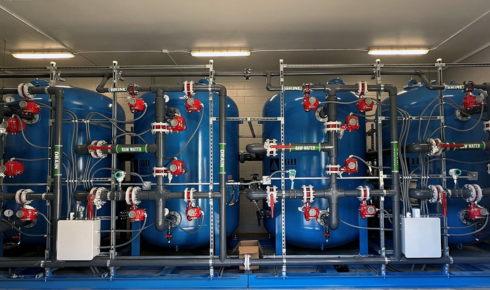
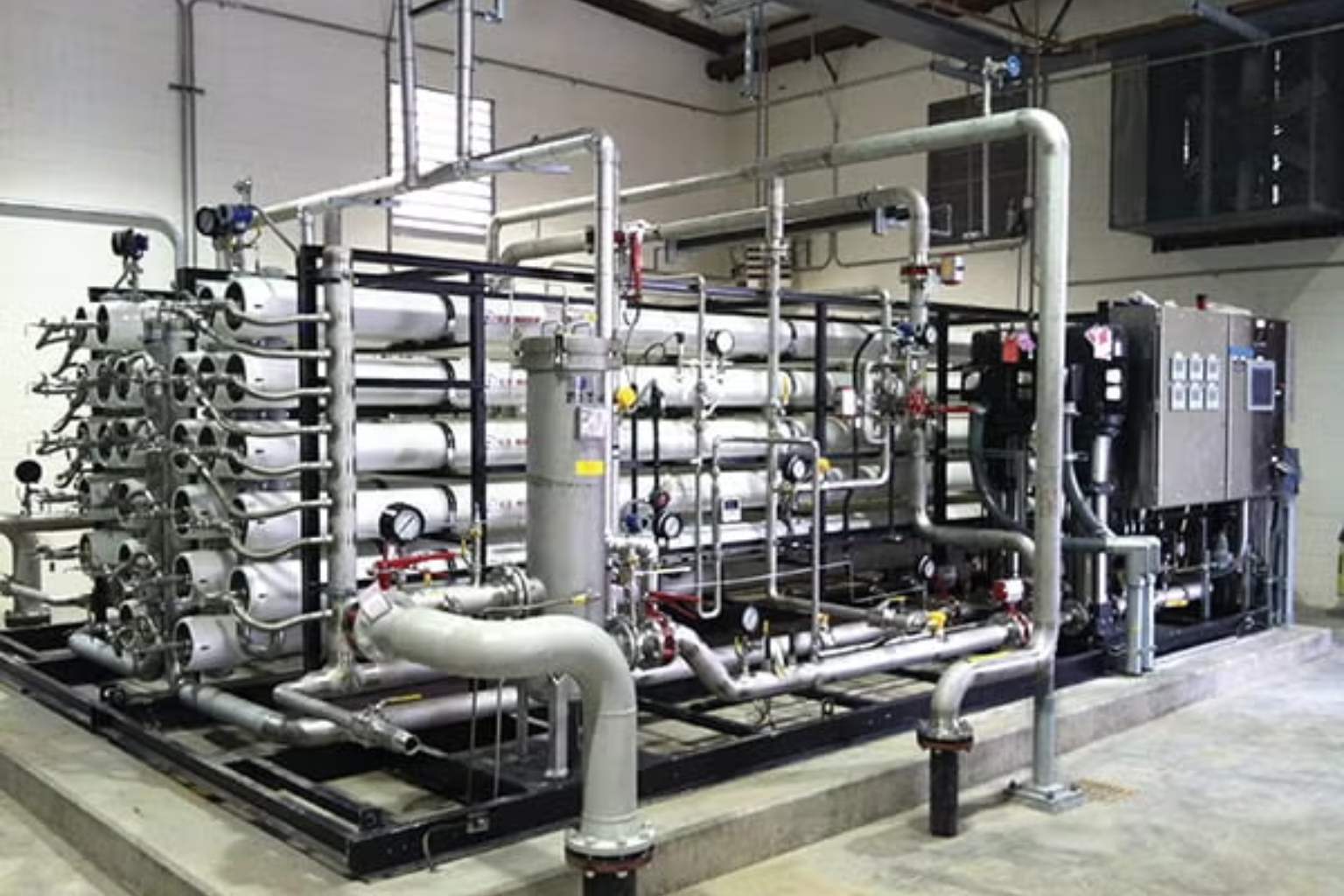
    Think of a commercial water softener system as a silent problem-solver. While employees focus on serving customers or running machines, the system quietly removes hardness minerals, keeping water flowing smoothly. Unlike the little units people might have at home, commercial versions are built for scale. They’re designed to handle thousands of gallons daily without breaking a sweat.

    There’s a science to how they work, of course—ion exchange, resin beads, brine tanks—but for business owners, what matters is reliability. If the system’s doing its job, appliances last longer, cleaning becomes easier, and operational costs take a welcome dip.


    The Importance of Proper Installation

    Here’s where a lot of companies trip up: they invest in a solid system but cut corners when setting it up. A rushed or poorly executed install can undo all the benefits. Think leaks, inefficient cycles, or a unit that’s just plain wrong for the building’s water demand.

    That’s why choosing the right partner for commercial water softener installation is crucial. It’s not simply about hooking up pipes. A proper installation starts with water testing, system sizing, and making sure the layout allows for easy maintenance later on. Businesses that skip this step often circle back months down the road, paying more to fix mistakes that could’ve been avoided.


    Regular Service Keeps Things Running

    Here’s the thing about water softeners—they’re not “set it and forget it.” Sure, they’re low-maintenance compared to other industrial equipment, but they still need attention. Resin tanks get exhausted, valves wear down, and brine tanks need the right salt levels.

    Scheduling service is like changing oil in a car: you might stretch it a little, but ignore it completely and you’re asking for trouble. Regular checkups keep efficiency high and prevent those “oh no” moments when the system decides to quit on the busiest weekend of the year.


    Hidden Benefits That Add Up

    One of the often-overlooked perks of water softening is energy savings. Hard water forces boilers and water heaters to work overtime, which jacks up utility costs. With softened water, equipment heats faster and runs more efficiently. That translates into smaller energy bills—something every business can get behind.

    Then there’s the customer experience. Guests at a hotel might not know a water softener exists, but they’ll definitely notice fluffy towels and spotless glassware. Restaurant diners enjoy cleaner plates, and staff members find their cleaning routines less grueling. It’s the little details that quietly improve brand perception.


    Choosing the Right System and Service

    So how do businesses choose wisely in a sea of options? First, size matters—a lot. An undersized system will constantly struggle, while an oversized one wastes resources. That’s where professionals come in, analyzing water usage patterns and designing solutions that fit.

    Second, not all providers are created equal. A company that sells the system should ideally also handle installation and ongoing service. That continuity means fewer headaches and faster responses when issues pop up. And yes, sometimes it’s worth paying a little extra for peace of mind.


    Wrapping It Up

    At the end of the day, water softeners don’t get much glory, but they keep businesses humming in ways few notice until they’re gone. A hotel’s glowing reviews, a restaurant’s sparkling silverware, or a factory’s smooth production line can all trace part of their success back to softened water.

    So next time you’re sipping a crystal-clear glass of water at a restaurant or enjoying a luxurious shower at a hotel, remember—there’s likely a hardworking water softener behind the scenes. And if you’re a business owner? Maybe it’s time to stop putting off that service call, because ignoring hard water problems rarely ends well.

  • When Your Dryer Stops Drying: A No-Nonsense Guide to Getting It Fixed

    When Your Dryer Stops Drying: A No-Nonsense Guide to Getting It Fixed

    There’s a very specific kind of panic that sets in when you open the dryer, reach in, and your clothes are still soaking wet. Not damp—wet. You run the cycle again, hoping for a miracle. Nothing. Same wet pile of clothes, now slightly warmer, and you’re wondering how you got here.

    You probably didn’t expect to start your week by Googling “dryer repair” in frustration. But here you are—and hey, we’ve all been there.

    The dryer might not be the flashiest appliance in your laundry room, but when it breaks, everything stalls. Piles of damp clothes start stacking up, the laundry rhythm falls apart, and suddenly you’re eyeing a clothesline like it’s 1950 again. Let’s talk about what goes wrong, what to do next, and why fixing your dryer doesn’t have to be a massive headache.


    The Dryer: Quietly Doing Its Job—Until It Doesn’t

    Think about how much work your dryer does. It takes over after the washer, finishes the job, fluffs your towels, dries your jeans, and keeps your life moving. And most of the time, it just works. Until one day it doesn’t.

    And let’s be real—unlike the washer, which at least lets you rinse by hand if needed, the dryer has no DIY backup. You can’t really “air dry” in the middle of winter, and nobody wants to throw damp laundry all over the living room.


    The Most Common Dryer Issues (And What They Mean)

    Dryers don’t just stop for fun. When something breaks, there’s usually a clue. Here’s a rundown of the biggest troublemakers:

    • It runs, but doesn’t heat – Most likely the heating element, thermal fuse, or thermostat.
    • It won’t start at all – Could be a blown fuse, bad door switch, or a busted start button.
    • It tumbles, but clothes don’t get dry – Airflow issue, or your exhaust vent might be clogged.
    • It’s super noisy – Belts, rollers, or motor parts could be on their way out.
    • It overheats – Dangerous and a sign that lint buildup or exhaust blockages need attention.
    • It smells weird or musty – Could be trapped moisture, burnt lint, or overheating wires.

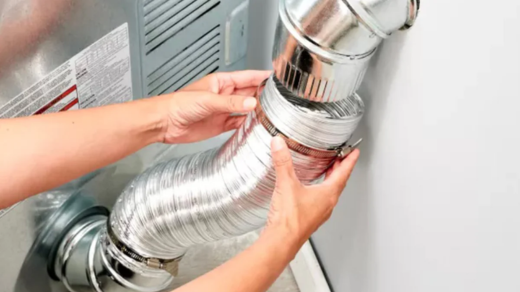
    One of the most overlooked issues is the exhaust system. If your dryer’s vent is partially blocked or disconnected, heat gets trapped—and your dryer works twice as hard, with half the results. That’s where dryer exhaust repair becomes crucial.


    Should You Try to Fix It Yourself?

    Look, we love a good DIY moment. Tightening a loose knob? Sure. Cleaning the lint filter and checking for tripped breakers? Go for it.

    But anything involving wiring, internal parts, or disassembly? That’s where most of us should hit pause. Dryers combine electricity (or gas) and heat—not a great mix for amateur tinkering. Plus, opening up the machine without knowing what you’re looking for can make a small fix into a big, expensive problem.

    So if you’re not confident you know exactly what’s broken and how to fix it safely, it’s better to leave it to someone who does.


    The Case for Calling a Pro

    When your dryer’s acting up and the laundry pile’s growing, a seasoned appliance repair tech can save the day—and your sanity. They’ll walk in with tools, experience, and the know-how to pinpoint the problem fast.

    Here’s what a solid dryer repair tech will bring to the table:

    • Experience with your brand and model – Whether you’ve got a Whirlpool, LG, Samsung, or a good old GE.
    • Quick diagnostics – No guesswork, just answers.
    • Access to the right parts – Not generic ones that may or may not fit.
    • Clear pricing – So you know what you’re paying before they start taking it apart.
    • Exhaust system know-how – Because that ductwork in the back matters more than people realize.

    And if you’re dealing with repeated issues or suspicious performance, they’ll also tell you if something else—like your venting setup—is the real culprit.


    Don’t Forget the Exhaust: It’s More Important Than You Think

    You might clean your lint trap every cycle (good job, by the way), but when was the last time you cleaned the exhaust hose or outside vent?

    Over time, lint and moisture build up in those spots, restricting airflow. This means longer drying times, higher energy bills, and in some cases, fire risks. Yup—dryer fires are a real thing. They happen more often than you’d think, and clogged vents are often the reason.

    That’s why dryer exhaust repair isn’t something to overlook. It’s not just about efficiency—it’s about safety.


    When to Repair and When to Replace

    Not every dryer can be saved. Sometimes, even with the best repair tech in town, it’s time to let go.

    You should consider replacing your dryer if:

    • It’s over 10–12 years old and out of warranty.
    • It’s had multiple repairs in the last year or two.
    • The cost of repair is more than 50% of the cost of a new dryer.
    • It no longer meets your needs (e.g., small drum, outdated features).

    But if it’s a single issue, the unit’s in otherwise good shape, and the fix is under a few hundred bucks? Definitely worth the repair.


    How to Keep Your Dryer Happy

    Once your dryer’s fixed, help it stay that way. Here’s how:

    • Clean the lint trap before every load – No exceptions.
    • Check and clean the exhaust duct every 6–12 months – Or more often if you dry heavy loads.
    • Avoid overloading – It strains the motor and reduces efficiency.
    • Don’t ignore weird sounds – They’re usually an early warning sign.
    • Use the right settings – Not every load needs high heat.

    Treat your dryer well, and it’ll keep your clothes warm and dry without fuss.


    Final Thought: A Broken Dryer Doesn’t Have to Derail Your Week

    Sure, it’s annoying. But a faulty dryer doesn’t mean disaster—it just means a quick pivot. With the right approach (and the right tech), your appliance can be back to full function before the laundry pile takes over your hallway.

    So if you’re stuck in damp-laundry limbo, don’t wait it out. Call someone who specializes in dryer repair, dryer repair, dryer exhaust repair and let them handle the headache while you focus on literally anything else.

    Because let’s be real—drying clothes should never be this dramatic.

  • From Rust Stains to Rotten Egg Smells: Tackling Water Woes Across New Jersey Homes

    From Rust Stains to Rotten Egg Smells: Tackling Water Woes Across New Jersey Homes

    Let’s face it—there’s something deeply unsettling about pouring a glass of water and having it smell like, well, eggs. Or watching your brand-new faucet turn a rusty orange after a few months. Or realizing your shampoo never quite lathers right no matter how much you use. If you live in New Jersey, especially in towns like New Brunswick, Lakewood, or Atlantic City, chances are you’ve run into one of these issues.

    But here’s the thing: you’re not stuck with it. Whether it’s hard minerals ruining your pipes, iron staining everything it touches, or sulfur making your home smell like a science experiment gone wrong, there are targeted, effective solutions that can change your water—and your life—for the better.


    The Not-So-Soft Truth About Hard Water in New Brunswick

    Let’s start with hard water. It’s one of those invisible household headaches that just keeps on giving… in the worst way. You might not notice it right away, but over time, the buildup becomes obvious—chalky spots on dishes, dry skin, laundry that feels like sandpaper, and appliances that wear out way too soon.

    Hard water is caused by high concentrations of calcium and magnesium. These minerals aren’t dangerous, but they sure are annoying. And in a place like New Brunswick, where many households rely on well water or aged infrastructure, the problem is widespread.

    Fortunately, hard water treatment in New Brunswick has become a lot more accessible—and smarter—over the years. Water softeners are the go-to solution, using ion exchange to remove those minerals before the water hits your pipes. Some advanced systems even monitor usage and regenerate only when needed, saving you money and salt.

    Trust me, once you wash your hair with soft water, you’ll never want to go back.


    Lakewood’s Rusty Secret: The Battle Against Iron

    Now let’s head south to Lakewood, where one of the most common water complaints isn’t taste or smell—it’s color. Specifically, that orange or reddish hue that stains everything from sinks and toilets to white T-shirts and baby bottles.

    This discoloration usually means there’s iron in your water. Again, not hazardous, but a serious nuisance. There are two types of iron to worry about: ferrous (dissolved, invisible) and ferric (oxidized, visible). And if you’ve got one, you probably have a little of both.

    The good news? There are systems designed specifically to tackle this. Iron removal systems in Lakewood typically combine filtration with oxidation—converting iron into particles that can be trapped and flushed out. Some setups also handle manganese and sulfur, making them a triple threat against common well water issues.

    And no, you don’t need a degree in chemistry to install one. Local water specialists can test your water and recommend a solution that actually fits your home—not just a generic “catch-all” filter.


    The Eggy Dilemma: Sulfur in Atlantic City

    Of all the water issues, sulfur is probably the most nose-wrinkling. If your water smells like rotten eggs, chances are you’re dealing with hydrogen sulfide gas—a byproduct of sulfur bacteria or decaying organic matter in your plumbing or groundwater.

    Not only is the smell off-putting, but sulfur-laced water can also corrode plumbing fixtures and create buildup inside your pipes. And let’s be honest, who wants to take a shower in egg-scented water?

    That’s why sulfur water treatment in Atlantic City is becoming more common in both residential and rental properties. The best systems use aeration, oxidation, or chemical injection to neutralize the gas and filter it out before it reaches your taps.

    Bonus: many of these systems also tackle iron and manganese, so if your water’s got multiple problems (which it often does), one system can handle the load.


    Know Before You Treat: The Power of Water Testing

    Before you go investing in a top-of-the-line water system, pause and test your water. Seriously—it’s the best money you’ll ever spend on your plumbing. A proper test will tell you what’s really in your water, how much of it, and what kind of solution you actually need.

    Some companies offer free basic testing, especially if you’re considering installing a system. Others offer comprehensive lab-based tests for a fee, which are great if you want the full breakdown—including pH levels, bacteria, and heavy metals.

    Once you have the numbers in hand, choosing a solution becomes a lot less stressful. And you won’t be wasting money on equipment that doesn’t really solve your problem.


    Installation, Maintenance, and Peace of Mind

    Whether you’re going with a water softener, an iron filter, or a sulfur treatment system, one thing’s for sure—it needs to be maintained. Filters need replacing, resin tanks need cleaning, and injection systems occasionally need refills or recalibration.

    But the payoff? Huge. Clean water that doesn’t smell, stain, or damage your plumbing. Laundry that actually gets clean. Showers that leave your skin soft instead of scratchy. And appliances that run longer and better.

    Plus, many modern systems come with built-in alerts or apps that tell you when something needs attention. So you can stay on top of your water quality without needing to babysit your equipment.


    Final Thoughts: Water Shouldn’t Be This Hard

    It’s wild how much something as simple as water can affect every corner of your home. From your pipes to your skin, your laundry to your morning coffee, water quality matters. And if you live in a place like New Brunswick, Lakewood, or Atlantic City, chances are good you’ve encountered at least one of these issues firsthand.

    The fix isn’t complicated. It starts with awareness. Then a little testing. Then finding the right system—whether it’s hard water treatment in New Brunswick, iron removal systems in Lakewood, or sulfur water treatment in Atlantic City—to bring your water (and your life) back into balance.

    Because clean water isn’t just about hydration. It’s about comfort, confidence, and that little sigh of relief every time you turn on the tap.

  • Filtered to Perfection: Why a Reverse Osmosis System Might Be the Best Thing You Install This Year

    Filtered to Perfection: Why a Reverse Osmosis System Might Be the Best Thing You Install This Year

    Let’s face it—we all want clean, great-tasting water. But not all water is created equal. Maybe your tap leaves a strange aftertaste. Maybe you’re tired of hauling home packs of bottled water. Or maybe you’ve just started asking the bigger questions—What’s actually in my drinking water?

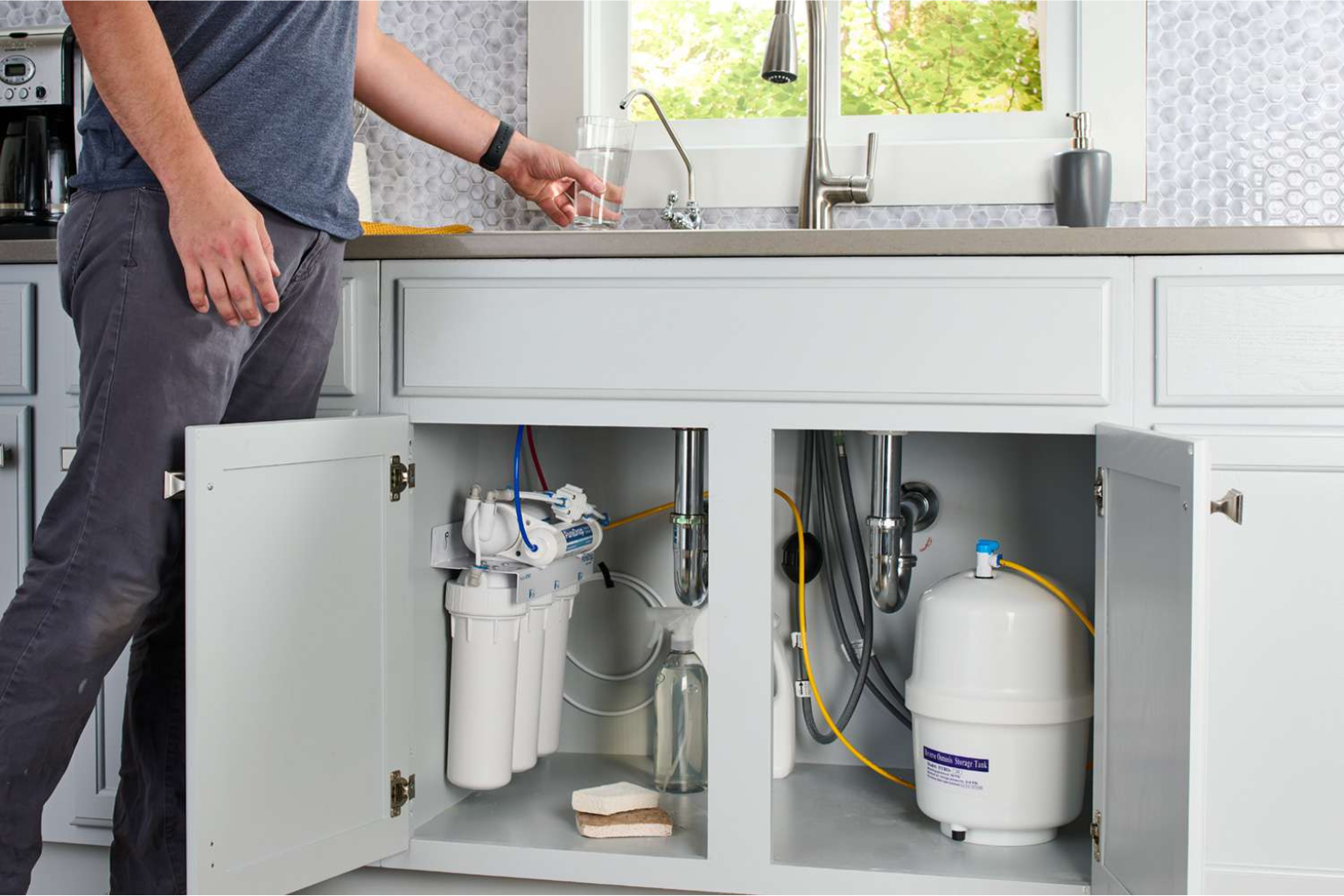
    That’s where reverse osmosis comes in. Quietly sitting under your sink, doing its job 24/7, a reverse osmosis (RO) system is the unsung hero of household water quality. It filters out all the stuff you don’t want—think lead, chlorine, fluoride, nitrates, arsenic—and leaves behind water that’s crisp, clean, and surprisingly better than most bottled brands.

    If you’ve ever Googled reverse osmosis installation near me, you’re not alone. Interest in home water purification has soared, and for good reason. People are paying more attention to what they’re consuming, and reverse osmosis offers one of the most reliable ways to take control.

    So let’s dive into the what, why, and how of installing an under sink reverse osmosis system—and why it might just be the quietest upgrade with the biggest impact on your health and home.


    What Exactly Is Reverse Osmosis?

    It sounds technical, but the concept is pretty simple.

    Reverse osmosis is a filtration process where water is pushed through a semi-permeable membrane, removing contaminants at a molecular level. It’s not just filtering out the big stuff—RO gets down to the microscopic level, removing up to 99% of dissolved salts, particles, bacteria, and unwanted chemicals.

    Most home units include multiple stages: a sediment filter, a carbon filter, the RO membrane itself, and sometimes a final polishing filter to give the water that clean, neutral taste. Some systems even include a remineralization stage to add back essential minerals that make the water taste better and slightly boost your mineral intake.


    Why Go Under the Sink?

    Let’s be honest—countertop filters have their place, but they often feel clunky, limited, or slow. A pitcher in the fridge? Great if you live alone and don’t mind waiting 10 minutes. But for families, cooks, or anyone serious about hydration, it doesn’t quite cut it.

    That’s where under sink reverse osmosis systems shine. They’re tucked away, out of sight, and deliver purified water straight to a dedicated tap at your sink. No waiting, no clutter, and no wondering if that old pitcher filter is still doing its job.

    And once it’s installed? It’s almost completely hands-off, aside from a filter change every 6–12 months.


    The Taste Test (Spoiler: It Wins)

    Here’s the thing most people don’t expect—the taste of RO water is noticeably better. Like, “I can’t believe this is tap water” better. Coffee tastes richer. Tea feels smoother. Even pasta water just feels… cleaner.

    That’s because reverse osmosis removes the stuff you can taste (chlorine, sulfur, iron) and the stuff you can’t (lead, nitrates, arsenic). The result is water that’s crisp, odorless, and neutral—perfect for cooking, drinking, or filling your reusable bottle on the go.


    Finding the Right Fit: Installation and Providers

    Installing an RO system isn’t rocket science, but unless you’re super comfortable under the sink with a wrench, it’s worth calling a pro. That’s why so many people search for reverse osmosis installation near me—because local installers can usually set up a system in just a couple of hours, and they know how to work with your existing plumbing.

    A professional will also help you:

    • Choose the right system size (depending on how much water your household uses)
    • Install the dedicated drinking water faucet
    • Make sure everything is sealed, flushed, and leak-free
    • Walk you through maintenance steps like filter replacement

    Pro tip: look for providers who also offer a service plan. Some will remind you when it’s time for new filters and even do the swap for you.


    Maintenance? Barely.

    People hear “multi-stage filtration” and assume it must be complicated. But RO systems are surprisingly low-maintenance.

    Most filters need to be replaced once or twice a year, depending on usage and local water quality. The membrane—the heart of the system—lasts two to three years, sometimes more. And you don’t need tools or special skills to swap them out. If you can twist off a jar lid, you can change a filter.


    How It Compares to Other Systems

    Not all filtration is created equal. Here’s a quick side-by-side:

    • Pitcher filters: Cheap, but slow and often limited to taste/smell filtering.
    • Faucet-mount filters: Convenient, but bulky and easily clogged.
    • Whole-house filters: Great for protecting appliances and showers, but don’t always give you the drinking water purity of RO.
    • Reverse osmosis drinking water system: Best for deep purification and consistently high-quality drinking water. The gold standard.

    Is It Worth It?

    Absolutely. Especially when you consider the long-term benefits:

    • Cleaner, safer water for you and your family
    • No more bottled water waste or expense
    • Improved taste in everything you cook and drink
    • A little peace of mind every time you fill a glass

    And let’s be real—water is one of the few things we use every single day. Why not make it the best it can be?


    Final Sip: Water You Can Actually Trust

    You shouldn’t have to second-guess what’s in your water. You shouldn’t have to settle for weird tastes, bottled waste, or half-measures when it comes to your health.

    Installing an under sink reverse osmosis, reverse osmosis installation near me, reverse osmosis drinking water system isn’t just a home improvement—it’s a lifestyle shift. One that brings cleaner, purer, better-tasting water right to your fingertips, every single day.

    Because great water shouldn’t be a luxury. It should be a standard. And with reverse osmosis, it finally can be.

  • What’s Really in Your Tap? Why Free Water Testing in Utah Is Worth a Closer Look

    What’s Really in Your Tap? Why Free Water Testing in Utah Is Worth a Closer Look

    Most of us take water for granted. You turn on the tap, fill up your glass, and assume everything’s fine. It’s clear, it’s cold, and hey—it doesn’t taste weird. But here’s the catch: just because your water looks clean doesn’t mean it is.

    In Utah, where geology meets extreme weather, your water can be loaded with minerals, sediment, or even chemical contaminants depending on where you live. And while it’s true that municipal water generally meets safety standards, “safe” doesn’t always mean “ideal.”

    That’s where the beauty of free water testing Utah services comes in. Seriously—no cost, no obligation, just real information about the stuff you and your family are using every single day. And if you live in southern Utah? There’s even free water testing St. George residents can take advantage of with just a phone call or a quick online form.

    So, let’s break down what water testing actually reveals, why it matters more than you think, and how it might just change the way you feel about your water.


    Utah’s Water: Beautiful, but Not Always Balanced

    Let’s give Utah some credit—this state is stunning. Mountains, deserts, canyons… you name it. But all that natural beauty comes with a price when it comes to water quality. Groundwater here is often packed with dissolved minerals. That’s great for geology lovers, not so great for your pipes, skin, or coffee maker.

    Depending on where you are in Utah, your water might contain:

    • Hardness minerals like calcium and magnesium
    • Chlorine or chloramines from city treatment
    • Iron, manganese, or sulfur
    • Sediment, rust, or microbial contaminants
    • Nitrates from nearby agriculture

    Some of these aren’t harmful, but others can affect everything from how your appliances run to how your skin feels after a shower. And unless you test your water, you’ll never really know what’s coming through the tap.


    So… What Is Free Water Testing, Really?

    Free water testing might sound like a gimmick, but the legit services aren’t trying to sell you a filter five minutes after walking through the door. A good water test involves a trained technician (or a mail-in kit) analyzing a sample of your water for a range of things—hardness, pH, chlorine levels, iron content, and more.

    Most tests focus on:

    • Hardness level – Is your water coating your pipes and shortening appliance lifespan?
    • Total dissolved solids (TDS) – A general measure of minerals or salts in the water.
    • Iron and sulfur – Responsible for metallic tastes and that rotten egg smell.
    • Chlorine – Safe at certain levels, but often irritating to skin and lungs.
    • pH – Too low and your pipes can corrode; too high and it can taste soapy.
    • Microbes (in some tests) – For folks on private wells especially.

    And the best part? They’ll often give you a clear report on what they found—no pressure to buy anything, no surprises.


    Why Free Water Testing in St. George Is Especially Helpful

    Southern Utah has a unique relationship with water. The climate is dry, the soil is mineral-rich, and the water is really hard. In places like St. George, it’s not uncommon to see faucet heads that look like they’ve been dipped in chalk or dishwashers that need constant TLC.

    That’s why free water testing St. George services are gaining traction. Whether you’re a homeowner, a property manager, or just renting a place, knowing your water’s mineral profile is a smart move.

    Local water can vary a lot—even from neighborhood to neighborhood. Some homes might have moderate hardness, others off-the-charts. A simple test clears up the guesswork and helps you decide whether you actually need a softener or filtration system—or maybe just a tweak to the one you’ve already got.


    What Can You Do with the Results?

    Great question. Once you know what’s in your water, you can make smart decisions:

    • Too much hardness? Consider a water softener. It’ll protect pipes, extend appliance life, and even help your hair feel less dry.
    • Chlorine overload? Maybe a carbon filter or whole-home system will take the edge off.
    • High TDS? Reverse osmosis might be the right call for your drinking water.
    • Odd taste or smell? Pinpoint the source and filter accordingly—no more guessing.

    Knowledge is power, and when it comes to water, it’s also about peace of mind. You use water for drinking, cooking, cleaning, bathing—it touches almost every part of your day. Why wouldn’t you want to know what’s in it?


    No Risk, Big Reward

    Here’s the thing—getting your water tested doesn’t lock you into anything. It’s not like buying a car or signing up for a subscription. It’s more like checking your tire pressure. Simple, smart, and ultimately in your best interest.

    And if you do need a solution? At least you’re making that call with clear, tested facts in front of you—not because you were guessing or reacting to a problem too late.


    The Bottom Line: It’s Time to Test the Waters (Literally)

    In the grand scheme of things, free water testing might seem like a small thing. But small things have a way of snowballing. A clogged pipe. A ruined water heater. A mystery rash no one can explain. Water is one of those silent contributors to everyday life—and when it’s not quite right, everything else starts to feel off.

    So if you’ve never tested your water, or it’s been years since you last did, don’t wait for a problem to creep in. Take advantage of free water testing Utah providers are offering. Especially if you’re in St. George, where water quality can change block by block.

    Because when it comes to your water, guessing shouldn’t be part of the plan.