Category: Home Services

  • Choosing the Right Water Purification System for Your Everyday Needs

    Choosing the Right Water Purification System for Your Everyday Needs

    Water quality can influence more than people realize. It affects the taste of coffee, the smell of tap water, the way food cooks, and how comfortable a family feels about filling a glass straight from the kitchen faucet. Even when municipal water is treated and regulated, it may still contain minerals, chlorine, sediments, or other substances that affect its overall quality.

    That’s why many homeowners are exploring water purification options that go beyond basic filtration. From advanced membrane technology to mineral-focused systems, there are several ways to improve household water. The challenge is choosing a system that matches the water source, the household’s habits, and the results people actually want.

    Understanding the Main Water Treatment Options

    Not every water purification system works in the same way. Some filters focus on sediment and odors, while others are designed to reduce dissolved contaminants. Certain systems also aim to change the water’s mineral content or pH level.

    Before choosing a product, homeowners should understand what each technology does. A system that works well for improving taste may not be designed to remove nitrates or heavy metals. Similarly, a purifier intended for drinking water may not be suitable for treating every water outlet in the house.

    A water test is a sensible first step. It can reveal whether the main concern is chlorine, hardness, dissolved minerals, bacteria, or a combination of issues. Without that information, it’s easy to choose a system based on marketing rather than actual need.

    What Are Alkaline and Ionized Water Systems?

    Many people are interested in alkaline and ionized water systems because of their approach to mineral content and water pH. These systems generally use an electrolysis process to separate water into streams with different pH levels. The alkaline stream is commonly intended for drinking, while the more acidic stream may be used for certain household purposes, depending on the manufacturer’s instructions.

    The appeal often comes from the taste and the idea of drinking water with a higher pH. Some users describe it as smoother or less sharp than ordinary tap water. However, claims that alkaline water can prevent disease, dramatically improve health, or replace medical treatment are not well established. The human body already regulates blood pH very carefully, and drinking water does not fundamentally change that system.

    If someone chooses an ionized water machine, it’s worth checking the quality of the incoming water first. Electrolysis does not replace proper purification, and the system’s performance depends heavily on the water entering it. In some cases, pre-filtration is necessary to protect the equipment and improve the final result.

    How Reverse Osmosis Purification Works

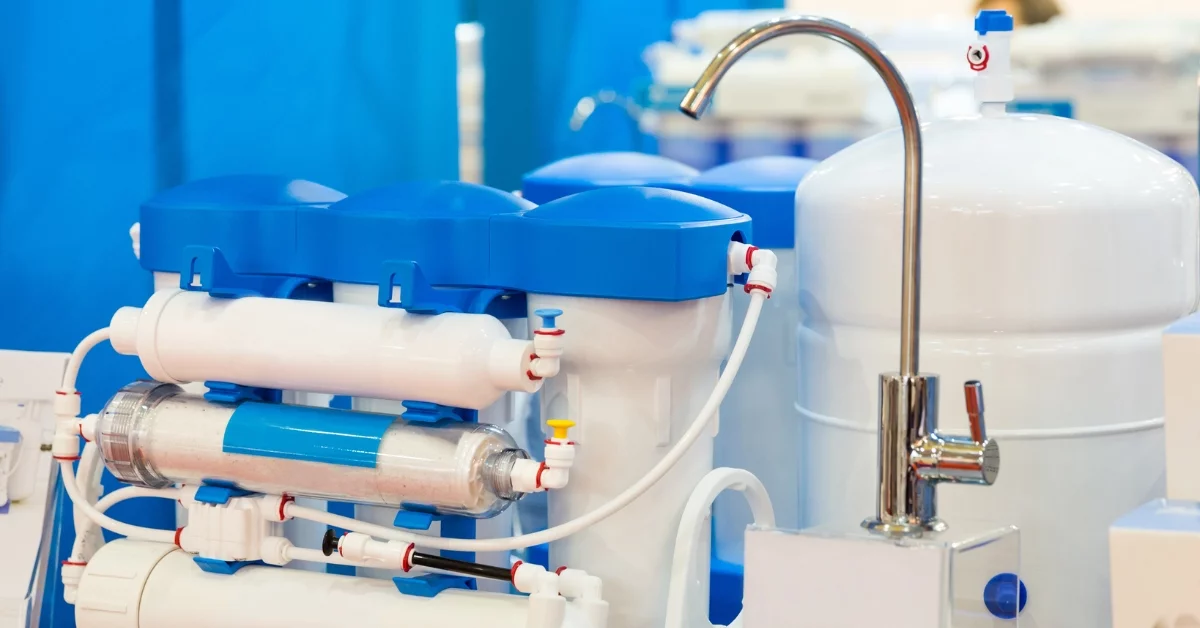
    Another widely used option is reverse osmosis. Reverse osmosis purification systems use pressure to push water through a semi-permeable membrane. The membrane allows water molecules to pass through while reducing many dissolved salts, metals, and other contaminants.

    Most modern RO systems include multiple stages. A sediment filter may remove dirt and particles, while activated carbon filters can reduce chlorine and certain odors. The RO membrane handles many dissolved impurities, and a final filter may improve taste before the water reaches the tap.

    Reverse osmosis is especially useful when water contains high levels of dissolved substances or when homeowners want a dedicated source of purified drinking water. Still, it is not a universal solution for every water problem. It may not remove all contaminants equally, and it can produce wastewater during the purification process. Buyers should review the system’s performance data rather than relying on broad claims such as “removes everything.”

    Is RO Water Completely Pure?

    The phrase “pure water” can be misleading. Reverse osmosis can significantly reduce many contaminants, but the final quality depends on the membrane, filter stages, water pressure, maintenance, and storage conditions.

    RO systems also remove many minerals, including calcium and magnesium. For most people, this is not a major nutritional concern because the majority of essential minerals come from food. However, some users prefer the taste of water with minerals added back. A remineralization filter can help create a more balanced flavor after the RO process.

    The storage tank and faucet should not be overlooked either. If the system is poorly maintained, the quality of the water may decline after purification. Regular filter changes and periodic sanitization are just as important as the technology itself.

    What Does Bottle-Quality Water Really Mean?

    Homeowners often want bottle-quality water without the expense, plastic waste, and inconvenience of constantly purchasing bottled water. A well-designed purification system can provide water that tastes clean and fresh, but “bottle-quality” should not be treated as a technical guarantee.

    Bottled water varies widely. Some brands use purified water, others sell spring water, and some contain added minerals for taste. The quality depends on the source, treatment method, packaging, and storage conditions. A home system may offer an equally pleasant or even fresher drinking experience because the water is filtered and consumed directly rather than sitting in plastic for long periods.

    The most useful comparison is not simply whether water tastes like a particular bottled brand. It is whether the system consistently produces water that meets the household’s quality expectations and is maintained according to the manufacturer’s recommendations.

    Comparing Taste, Maintenance, and Cost

    Taste is one of the easiest differences to notice, but it should not be the only factor. Alkaline ionizers may appeal to people who enjoy a different mineral profile or pH level. RO systems may be better suited to households concerned about dissolved contaminants. Carbon filters can be effective for improving chlorine taste and odor without removing as many minerals.

    Maintenance costs also vary. RO systems usually require several filter replacements and may eventually need a new membrane. Ionized water machines may need cleaning cycles, filter changes, and attention to mineral buildup. A basic carbon filter may be less expensive initially, but it may not address more complicated water-quality concerns.

    When comparing systems, look beyond the purchase price. Consider replacement filter availability, installation, annual servicing, water waste, electricity requirements, and warranty coverage. A cheaper system can become expensive if replacement parts are difficult to find or service support is poor.

    Should You Choose One System or Combine Technologies?

    In some homes, combining technologies makes sense. For example, a sediment and carbon pre-filter may protect a reverse osmosis membrane and improve the taste of the incoming water. In other situations, a whole-house softener may be installed to address hard water, while a separate RO unit supplies purified water at the kitchen sink.

    An ionizer may also require pre-treatment if the source water contains substances that could interfere with its operation. The key is to understand the role of each device. Installing multiple systems without a clear purpose can increase maintenance and cost without producing meaningful benefits.

    A qualified water treatment professional can help determine whether one technology is enough or whether a combination would be more practical.

    Making a Sensible Choice

    The right water purification system is not necessarily the most expensive or the one with the longest list of features. It is the system that addresses the actual problems in your water and fits comfortably into your daily routine.

    Start with a water test. Identify the contaminants or taste concerns that matter most. Then compare certified performance claims, maintenance requirements, installation needs, and long-term costs. Be cautious with exaggerated health promises, especially when they suggest that a particular type of water can cure illnesses or replace a balanced diet.

    Whether you prefer mineral-rich water, purified RO water, or a simple filtration setup, informed selection matters. With the right equipment and regular care, a home water system can make drinking water more convenient, pleasant, and dependable—one glass at a time.
  • Smart Water Management: Why Maintenance and Treatment Investments Matter

    Smart Water Management: Why Maintenance and Treatment Investments Matter

    Water systems rarely demand attention when everything is working properly. The water flows, equipment runs quietly, and life carries on. It’s usually when pressure drops, strange smells appear, or a system suddenly stops working that people realize how much they depend on reliable water infrastructure.

    Whether you manage a home, business, facility, or commercial property, taking care of your water system isn’t simply about fixing problems as they happen. A smarter approach combines regular repair and preventative maintenance with thoughtful planning around water quality and equipment performance. In the long run, this can help reduce unexpected costs, extend equipment life, and keep water systems working reliably.

    Why Water System Maintenance Matters

    Water-related equipment works hard behind the scenes. Pumps, filters, softeners, pipes, valves, tanks, and treatment units can experience gradual wear long before a noticeable failure occurs.

    A small leak might seem harmless at first. But over time, it can damage surrounding materials, waste water, increase utility bills, or create conditions for more serious plumbing problems. Likewise, a clogged filter may slowly reduce water pressure instead of failing completely.

    Routine inspections give property owners a chance to spot these warning signs early. That’s important because minor repairs are generally easier and less disruptive than emergency replacements.

    Maintenance also provides an opportunity to understand how equipment is performing. If a water softener is using more salt than usual or a filtration system is becoming less effective, those changes can point toward a problem that deserves attention.

    Water Quality Is About More Than Taste

    Many people judge their water quality by appearance, taste, and smell. Those things matter, but they don’t tell the whole story.

    Water can look perfectly clear while containing minerals, sediment, chlorine, or other unwanted substances. Depending on the local water source, households and businesses may face very different water-quality concerns.

    That’s why water testing can be a useful first step before choosing a treatment solution. Rather than buying equipment based on a general assumption, testing helps identify what’s actually present and what needs to be addressed.

    For example, hard water may leave mineral deposits on faucets and appliances. Sediment can affect fixtures and filtration equipment. An unpleasant sulfur-like smell may indicate a completely different issue.

    The right treatment should match the problem. There’s little value in installing a complicated system if a simpler solution would do the job.

    Making a Water Treatment Investment With Purpose

    A water treatment system should be viewed as part of a property’s long-term infrastructure rather than just another household purchase. A well-planned water treatment investment can provide benefits beyond improving the taste or appearance of water.

    For homeowners, treatment equipment may help protect plumbing fixtures and water-using appliances from issues associated with hard water or sediment. In commercial settings, reliable water quality can be even more important because equipment may depend on consistent water conditions every day.

    Still, more technology doesn’t automatically mean better results. A system that’s too large, unnecessarily complicated, or poorly matched to the water source can become expensive to operate and maintain.

    Before investing, consider several practical questions:

    • What contaminants or minerals are actually present?
    • How much water does the property use?
    • What type of maintenance does the system require?
    • How often do filters or other components need replacement?
    • Are operating costs reasonable over several years?
    • Does the system fit the property’s current and future needs?

    Thinking about these questions can prevent an expensive mistake.

    Efficiency Depends on the Whole System

    Water equipment doesn’t operate in isolation. A filtration system, pump, plumbing network, and water heater all influence the overall performance of a property’s water infrastructure.

    When one component starts struggling, other parts may have to work harder. A restricted filter, for instance, can affect water flow. Mineral buildup can reduce the efficiency of certain appliances and fixtures. A poorly adjusted pump can contribute to inconsistent pressure.

    Regular maintenance helps keep these components working together as they should.

    There’s also an environmental benefit. Efficient equipment can reduce unnecessary water waste and energy consumption. A system operating close to its intended peak efficiency is generally easier to manage than one that has been neglected for years.

    That doesn’t mean every property needs constant servicing. It means maintenance should be based on the equipment, water conditions, usage patterns, and manufacturer’s recommendations.

    Knowing When a Repair Shouldn’t Wait

    Some water-system problems are easy to overlook because they develop slowly. Others should never be ignored.

    A sudden drop in water pressure, visible pipe leakage, unusual noises from pumps, persistent odors, or a dramatic change in water appearance deserves attention. These symptoms don’t always mean a major failure is coming, but they provide useful clues.

    Waiting can sometimes turn a manageable repair into a much larger project. For example, a small leak hidden behind a wall may continue unnoticed until moisture damages drywall, flooring, insulation, or other building materials.

    When the source of a problem isn’t obvious, professional inspection is often the safer choice. Qualified technicians can assess the equipment, identify underlying causes, and determine whether repair, cleaning, adjustment, or replacement makes the most sense.

    Preventative Care Can Save More Than Money

    The financial argument for maintenance is straightforward, but the benefits go beyond the repair bill.

    Unexpected water-system failures can interrupt daily routines, business operations, or facility management. For a business, downtime may affect employees and customers. At home, a failed pump or major leak can quickly become a stressful situation.

    Preventative care gives property owners more control. Instead of constantly reacting to emergencies, they can plan inspections, replacements, and service around their schedule.

    It also makes budgeting easier. A filter replacement or scheduled service visit is predictable. An emergency plumbing failure usually isn’t.

    Good maintenance doesn’t mean spending money on every possible upgrade. In fact, it often means knowing what not to replace yet.

    Choosing the Right Approach for Long-Term Reliability

    The best water management strategy is usually a balanced one. Start with testing and inspection. Understand the condition of the existing system. Address obvious repairs before adding new equipment. Then choose treatment technology based on actual water-quality needs.

    It’s also worth keeping records of filter changes, repairs, inspections, and equipment replacements. These simple notes can reveal patterns over time. If a filter that once lasted a year now needs replacement every few months, something may have changed in the water or the system.

    Most importantly, don’t treat maintenance as an afterthought. Water infrastructure may not be exciting, but it has a direct impact on comfort, cleanliness, equipment performance, and everyday reliability.

    A little attention today can prevent a much bigger headache tomorrow. Whether the goal is better water quality, lower operating costs, or longer equipment life, thoughtful maintenance and properly selected treatment solutions are investments in a system people often don’t appreciate until something goes wrong.

  • When Your Water Heater Starts Falling Behind, It Might Be Time for an Upgrade

    When Your Water Heater Starts Falling Behind, It Might Be Time for an Upgrade

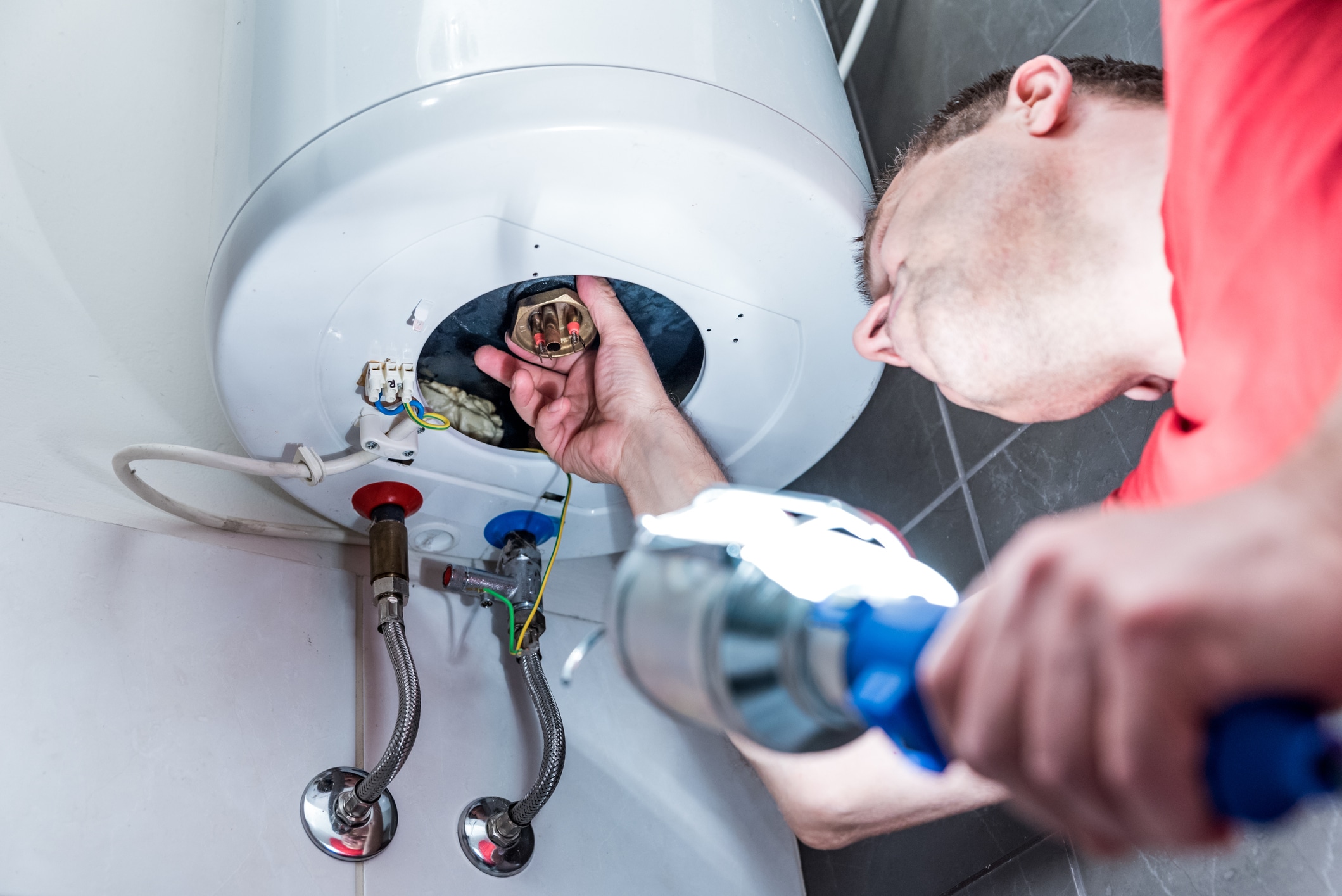
    There are certain parts of a home that quietly do their job without asking for much attention. A water heater is one of them. Hidden away in a utility room, basement, or garage, it works every single day to make showers comfortable, dishes easier to wash, and laundry a little more pleasant. Because it’s tucked out of sight, it’s also easy to forget it’s there—until one morning the hot water disappears.

    If you’ve ever stepped into a shower expecting warmth and been greeted with cold water instead, you already know how quickly a dependable water heater becomes something you truly appreciate. Replacing or upgrading the system isn’t just about fixing a problem. It’s about making everyday life smoother, more efficient, and a little less stressful.

    Hot Water Shapes More of Your Day Than You Realize

    Most people associate hot water with showers, but it plays a much bigger role in everyday living.

    From washing hands and cleaning cookware to doing multiple loads of laundry and running the dishwasher, hot water supports dozens of small routines that happen almost automatically. When your water heater struggles to keep up, those simple tasks suddenly become inconvenient.

    Reliable hot water solutions  help restore those daily comforts while improving the overall efficiency of your home. Whether your household is growing or your current unit is simply showing its age, choosing the right system can make a noticeable difference almost immediately.

    Small Warning Signs Often Come First

    Water heaters usually don’t fail without giving homeowners a few clues.

    Perhaps your shower starts hot but cools down much faster than it used to. Maybe the water has developed a rusty tint, or strange rumbling sounds have begun coming from the tank. Some people notice small leaks near the base of the unit, while others simply see energy bills creeping higher every month.

    These signs don’t always mean immediate failure, but they often indicate that the system is working harder than it should.

    Paying attention to these early symptoms gives you the opportunity to plan instead of reacting to an emergency.

    Every Household Has Different Needs

    Choosing a water heater isn’t as simple as selecting the largest tank available.

    A family with several children has different hot water demands than a retired couple or someone living alone. Daily schedules, appliance usage, available installation space, and fuel type all influence which system will deliver the best results.

    That’s why professional recommendations tend to focus on the entire household rather than just the existing equipment.

    The goal is to install a system that comfortably supports today’s needs while allowing room for future changes.

    Proper Installation Is Just as Important as the Equipment

    Even a premium water heater can struggle if it isn’t installed correctly.

    Sizing, plumbing connections, safety valves, expansion tanks, venting requirements, and local building codes all influence long-term performance. A mistake during installation may reduce efficiency, shorten equipment life, or increase future maintenance costs.

    Working with experienced technicians  helps ensure every detail is handled properly from the very beginning.

    Professionals evaluate your home’s plumbing layout, verify capacity requirements, and confirm that the entire system operates safely and efficiently. Those careful steps often determine how dependable the equipment will remain over the next decade or more.

    Modern Water Heaters Have Come a Long Way

    Water heating technology has advanced quietly over the years.

    Newer systems recover heat faster, lose less energy while standing idle, and provide more consistent water temperatures than many older units. Improved insulation, smarter controls, and higher efficiency ratings allow homeowners to enjoy greater comfort while reducing monthly utility costs.

    Some households prefer traditional storage tanks because of their familiar operation, while others choose tankless systems for continuous hot water and space savings.

    The right solution depends less on trends and more on your family’s actual daily routine.

    Maintenance Helps Avoid Bigger Problems

    Once a new water heater is installed, regular maintenance becomes one of the simplest ways to protect your investment.

    Flushing sediment from the tank, inspecting the anode rod, checking valves, and monitoring for minor leaks all contribute to better efficiency and longer equipment life. These routine inspections also allow technicians to identify small issues before they become expensive repairs.

    Preventive maintenance rarely takes much time, yet it often saves homeowners considerable money over the life of the equipment.

    It’s a small habit that pays off year after year.

    Knowing When Replacement Makes Sense

    Every homeowner eventually faces the same question: repair or replace?

    Minor repairs are often worthwhile, especially on newer equipment. But once a water heater begins requiring repeated service or approaches the end of its expected lifespan, continuing repairs may no longer be the best financial decision.

    That’s when water heater replacement  becomes a practical investment instead of an unwanted expense.

    Modern systems generally offer improved efficiency, better reliability, quieter operation, and lower long-term operating costs. Instead of wondering when the next repair bill will arrive, homeowners gain confidence knowing their equipment is prepared for years of dependable service.

    Looking Beyond Today’s Costs

    It’s understandable to focus on the purchase price when replacing a water heater. However, the initial investment tells only part of the story.

    An efficient system often reduces monthly energy consumption while requiring fewer repairs over time. Those ongoing savings gradually help offset the original installation cost.

    Equally important is the value of avoiding unexpected breakdowns, especially during busy mornings or colder months when reliable hot water becomes even more essential.

    Comfort and peace of mind are difficult to measure, but homeowners quickly recognize their value once everything is working properly again.

    A Better Water Heater Improves Everyday Living

    Some home improvements are easy to admire because they’re visible. Fresh paint, new flooring, or remodeled kitchens naturally attract attention.

    A water heater is different.

    Its value comes from quietly supporting everyday life without interruption. Warm showers, clean dishes, fresh laundry, and dependable performance all happen in the background, making daily routines feel effortless.

    Investing in the right water heater isn’t simply replacing an aging appliance. It’s improving comfort, increasing efficiency, and reducing future maintenance concerns for years to come.

    When quality equipment is paired with expert installation and regular maintenance, homeowners enjoy something that’s easy to overlook but incredibly important—a home that simply works the way it should. And sometimes, those unseen improvements are the ones that make the biggest difference in everyday life.

  • Does Sunlight Really Affect Your Air Conditioner? Let’s Talk About Heat, Shade, and Smart Cooling Choices

    Does Sunlight Really Affect Your Air Conditioner? Let’s Talk About Heat, Shade, and Smart Cooling Choices

    There’s a strange irony in summer. The very season that brings us lazy afternoons, cold lemonade, and backyard barbecues also brings an unavoidable villain — heat. And for many of us, our air conditioners are the quiet heroes standing between bliss and sweat. But here’s something that often goes overlooked: sunlight. Specifically, how much of it your AC unit actually gets.

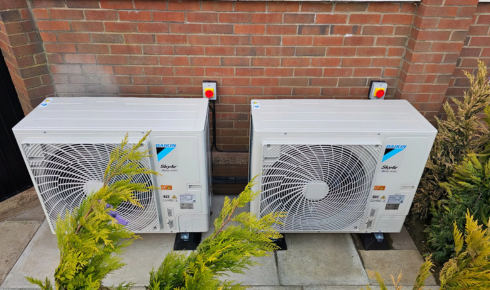
    If you’ve ever stepped outside on a 100-degree day and placed your hand on your outdoor condenser, you already know — that metal box gets hot. Really hot. Which leads to a common question homeowners often wonder but rarely get a straight answer to: does sunlight hurt your AC’s performance? Or to put it another way, is it bad to have your ac outdoor unit in sunlight all day long?

    Let’s unravel that, one warm breeze at a time.


    The Science of Heat and Cooling

    To understand how sunlight impacts your air conditioner, we need to talk about how the system works. Your outdoor unit — the condenser — is responsible for releasing the heat absorbed from inside your home. It does that through coils, fans, and a process that’s basically the opposite of what’s happening inside your evaporator coil.

    Now, imagine trying to cool off while standing under the blazing sun. That’s exactly what your condenser is doing. When it sits in direct sunlight, it has to work harder to release heat. The warmer the surrounding air, the less efficient the heat transfer process becomes. That means more energy use, longer cycles, and, unfortunately, higher electricity bills.

    Still, sunlight alone isn’t the villain. It’s a factor, sure, but it’s not always catastrophic. If your system is properly maintained and the airflow around the condenser is clear, it can handle a bit of sunshine. But when the temperature rises and that unit’s cooking under the afternoon sun, even the toughest system can start to feel the strain.


    When the Sun Beats Down on Your Windows

    It’s not just outdoor units that struggle with sunlight — your indoor cooling can suffer too, especially if you rely on window-mounted air conditioners. Ever noticed how some rooms take forever to cool, even when the AC’s running full blast? Sometimes, that’s because of where the unit sits.

    If you’ve got a window air conditioner in direct sunlight, it’s not just fighting the heat inside your room — it’s fighting the sun baking its metal casing. The compressor and coils inside that little box are doing double duty, trying to remove heat while also being cooked by it.

    The result? Slower cooling, increased wear and tear, and energy bills that make you sigh when they arrive. Even shifting the unit slightly — or using a simple awning or shade cover — can make a world of difference. You’d be amazed how a few degrees of relief on the exterior surface can translate into faster, more efficient cooling indoors.


    Should You Shade Your Unit? Let’s Settle It

    This is where homeowners get divided. Some swear that shading their condenser made a night-and-day difference in performance. Others claim it doesn’t matter at all. So, who’s right?

    The answer, like most things in home maintenance, lies somewhere in the middle. Shading can help, but only when it’s done right. Throwing a tarp over your system or surrounding it with bushes isn’t the answer — that can actually make things worse by restricting airflow.

    So, should i shade my ac unit? Generally, yes — but thoughtfully.

    If you can add shade from a tree, a screen, or even a purpose-built canopy without blocking the air circulation, you’ll likely see improved efficiency. Studies have shown that shaded units can run up to 10% more efficiently in extreme heat. The air around the condenser stays cooler, helping it dump heat more effectively.

    Just remember, airflow is non-negotiable. Your unit needs space to breathe. Anything that traps heat or prevents proper ventilation can backfire, creating the exact problem you were trying to avoid.


    A Little Maintenance Goes a Long Way

    Sunlight aside, the biggest killer of efficiency is neglect. Dirt, debris, and overgrown plants can choke your condenser, forcing it to work harder. The fan blades pull in air, and if those coils are caked in grime, the system can’t get rid of heat properly.

    A quick rinse with a garden hose every month or two (with the power off, of course) can make a world of difference. If you’re feeling ambitious, a light coil cleaner spray will help break down the dirt that water can’t.

    Also, check for clearance. Your condenser should have at least two feet of open space around it. Trimming shrubs or moving patio furniture can improve airflow dramatically.

    And inside your home, replace air filters regularly. Poor airflow inside means the outdoor unit has to work harder, especially when temperatures spike.


    The Myth of “Bigger Is Better”

    Here’s another thing homeowners often misunderstand: upgrading to a bigger system doesn’t always mean better cooling. In fact, an oversized unit can short-cycle — turning on and off too frequently — which not only wears out parts but also leads to uneven temperatures and poor humidity control.

    Instead of replacing your unit outright because it struggles during heat waves, it’s worth having a professional inspect the setup. They’ll check for refrigerant levels, duct leaks, and even whether your condenser’s placement is making it harder for the system to perform efficiently.

    Sometimes, the solution isn’t a replacement — it’s as simple as repositioning or shading the existing unit.


    Practical Ways to Help Your AC Cope with Heat

    You can’t move the sun, but you can make life easier for your air conditioner. A few small steps can have a surprisingly big impact:

    • Add a shade structure: A lattice panel or pergola nearby (but not directly over the unit) can create partial shade while maintaining airflow.
    • Plant smart: Trees or shrubs on the south and west sides of your home can block harsh afternoon sun, naturally cooling the area. Just keep them trimmed.
    • Insulate: Poor insulation inside your home puts extra strain on your AC. Sealing leaks and improving attic insulation helps your system work less, even on the hottest days.
    • Schedule maintenance: Have a technician inspect and clean your system annually — especially before summer hits.

    These are small, inexpensive fixes that pay off in lower bills and longer system life.


    The Comfort Equation

    At the end of the day, your air conditioner doesn’t ask for much — just a little care, clear airflow, and a break from the blazing sun. Whether it’s a whole-house system or a compact window unit, heat exposure can affect performance more than most people realize.

    The goal isn’t to baby your system but to understand how it works with its environment. A shaded, well-maintained AC runs quieter, cools faster, and lasts longer — and honestly, who wouldn’t want that?

    So the next time you catch your condenser glinting in the sun, give it some thought. Maybe that simple question — “Does the sun really matter?” — deserves more credit than you’d think.

  • The Everyday Convenience of Salt Delivery for Your Water Softener

    The Everyday Convenience of Salt Delivery for Your Water Softener

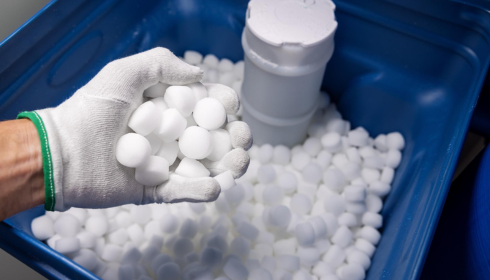
    If you’ve ever hauled a heavy bag of softener salt up a flight of stairs or across your garage, you know the struggle isn’t small. Those bags aren’t exactly light, and honestly, they never seem to arrive at a convenient time. One week your water feels silky smooth, and the next, hard water stains creep back into your sinks and showers because you forgot to restock. That’s where a water softener salt delivery service St George comes in—turning what feels like a chore into something you barely think about anymore.

    Why Salt Delivery Matters More Than You Think

    Water softeners are kind of like background heroes in the home. They hum along quietly, keeping your pipes from clogging with mineral buildup, helping your clothes last longer, and making your showers feel more like, well, showers and less like rinsing in chalky water. But here’s the catch: they only work as long as you feed them the salt they need.

    Running out doesn’t just mean your water goes hard again. It can actually strain the system itself, and eventually, repairs or replacements cost way more than a few scheduled salt deliveries would. In a way, signing up for a delivery service is less about convenience and more about protecting your investment.

    The Local Angle—Because Every Region Is Different

    Not all water is created equal. If you’re in a place with naturally soft water, you might never think about it. But in parts of Utah—especially St. George—hard water is just a fact of life. The minerals are baked into the ground itself, so it’s not like the problem is going away. Having a reliable company drop off salt on schedule feels almost like having groceries delivered. It’s not a luxury, it’s more like a lifestyle upgrade you wish you’d started sooner.

    And let’s be real: in the desert heat, skipping a sweaty trip to the store for another 40-pound bag isn’t just nice—it’s a small victory.

    How Delivery Usually Works

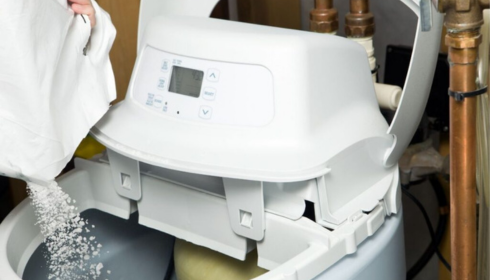
    Most companies have a simple model. You sign up once, pick how often you want your salt brought to you, and then forget about it. Some even take it a step further, not just leaving the bags at your door but pouring them straight into your softener tank. That’s the part a lot of homeowners love, especially folks who don’t want to wrestle with lifting.

    Even better, delivery companies usually monitor your usage, so you’re not stockpiling mountains of salt or running short. It’s a balance that’s hard to maintain if you’re doing it solo, because who honestly remembers to check the brine tank every week?

    Searching for the Right Fit

    If you’re like me, you probably start with a quick online search, typing something like salt delivery for water softener near me and scrolling through the results. The trick is spotting the providers that don’t just sell salt but actually provide a service—consistent, reliable, and ideally, with real customer support if something goes wrong.

    Price matters, sure, but it’s not everything. A few dollars cheaper doesn’t mean much if you’re left hanging during a holiday weekend when your softener runs dry. Reputation and local roots matter more, especially for a service you’ll rely on month after month.

    A Closer Look at Advanced Options

    Some companies go beyond the basics. For example, the Advanced Aqua Systems salt delivery service is often mentioned by homeowners who want peace of mind. It’s not just about dropping bags at the curb—it’s about efficiency, proper storage, and sometimes even maintenance checks while they’re there. That kind of detail matters, especially if you’re the type who likes knowing the system is looked after by people who know what they’re doing.

    It’s a subtle difference, but it’s the same reason people stick with a trusted mechanic or hairdresser. The service itself is important, but trust is what makes you loyal.

    The Hidden Benefits No One Tells You About

    One overlooked perk of salt delivery? Space. If you’ve ever stocked up during a sale and then realized your garage corner looks like a small warehouse, you’ll appreciate just-in-time deliveries. No clutter, no stacking, no dust collecting on unused bags.

    There’s also the consistency factor. Hard water damage builds up quietly, so you might not notice right away when your softener runs out. But over weeks or months, it can mean scale on fixtures, cloudy glassware, and even reduced efficiency in your appliances. Scheduled salt delivery cuts that risk almost entirely.

    And then there’s peace of mind. It sounds small, but knowing “that’s one less thing to remember” has real mental value. Modern life is already overloaded with to-dos—why add “buy salt” to the list?

    Stories From Real Life

    I’ve heard more than one story about homeowners who meant to “swing by the store” and pick up salt, only to forget until it was too late. One neighbor had to replace a water heater years earlier than expected because the buildup inside was so bad. Another joked that she bought more ibuprofen than salt because lugging the bags left her sore every time.

    When you hear stories like that, the delivery service almost sells itself. It’s not glamorous, but it solves a very real problem.

    Making the Switch

    Transitioning to salt delivery isn’t complicated. Most companies don’t even lock you into contracts. You can start with a trial run and see if it fits your lifestyle. Odds are, once you try it, you won’t want to go back. It’s a bit like how no one who starts grocery delivery really misses waiting in checkout lines.

    For families, elderly homeowners, or anyone juggling busy schedules, the convenience is obvious. But even for young, able-bodied people, the benefit is in removing friction. You don’t have to wait until your back reminds you that lifting 40 pounds repeatedly isn’t fun.

    Final Thoughts

    Water softeners may be the unsung heroes of modern homes, but they’re only as good as the salt you feed them. Delivery services transform the hassle of maintenance into something you barely notice. From protecting your appliances to saving your back, the benefits stack up fast.

    In the end, it’s not just about salt—it’s about convenience, peace of mind, and taking one more worry off your plate. And if you live somewhere like St. George, where hard water is more than just a minor annoyance, setting up regular salt delivery might just be one of the smartest household decisions you’ll make this year.

  • The Unsung Importance of Keeping Electrical Systems in Top Shape

    The Unsung Importance of Keeping Electrical Systems in Top Shape

    If you’ve ever had the lights flicker during a storm or dealt with an overloaded circuit in the middle of an important workday, you know how quickly electrical issues can throw life off track. Electricity powers our homes, businesses, and daily comforts, but it often doesn’t get the attention it deserves—until something goes wrong. That’s the tricky thing about electrical systems: they’re mostly hidden behind walls and ceilings, humming away quietly, until a small problem builds into a bigger one. And when it does, it’s usually inconvenient, sometimes dangerous, and almost always expensive.

    This is why regular upkeep isn’t just a good idea—it’s essential. Whether we’re talking about homes or businesses, electricity has to be handled with both care and foresight. Preventive steps don’t just stop outages, they help keep people safe and reduce long-term costs.


    Why Businesses Can’t Afford to Overlook Electrical Health

    Think about how much a typical business relies on power. Offices need computers, data servers, lighting, and climate control. Restaurants depend on refrigeration, ovens, and countless smaller appliances. Retail stores run everything from cash registers to security systems. When electricity fails, business grinds to a halt.

    Routine commercial electrical system maintenance isn’t just about avoiding outages. It’s about making sure that the wiring, breakers, and other components can handle the load safely. A single loose connection can lead to overheating, which can snowball into system failures or, in the worst cases, fire hazards. For managers and business owners, scheduling regular inspections is not just a precaution—it’s a strategy to protect their livelihood.


    Homeowners Need to Pay Attention Too

    It’s easy to assume your home’s wiring is fine as long as nothing sparks or blows a fuse. But the truth is, most electrical problems grow slowly and invisibly. Wires can wear down, outlets can loosen, and old panels may not be able to keep up with modern energy demands. You don’t want to discover those issues the hard way, maybe when a breaker trips every time you run the microwave and toaster at the same time.

    That’s where residential electrical wiring services come in. A trained electrician can check everything from outlet safety to grounding, making sure your home is both functional and safe. It’s especially important in older houses, where the wiring may not meet current codes. Even simple upgrades—like adding GFCI outlets in bathrooms and kitchens—can go a long way in protecting your family.


    The Value of Local Expertise

    In both commercial and residential settings, calling just any electrician from across town isn’t always the best approach. Local professionals not only know the area, but they’re also familiar with building codes, neighborhood wiring quirks, and even local utility company setups. That kind of experience can make a huge difference when troubleshooting or planning upgrades.

    Businesses, in particular, benefit from local commercial electrician services. Imagine a shop loses power in the middle of a busy weekend. A local pro can show up quickly, assess the situation, and get things back on track. Speed matters when money’s on the line. And beyond emergencies, having someone nearby builds trust. You know who’s working on your property, and they understand the needs of businesses in your community.


    Signs It’s Time to Call an Electrician

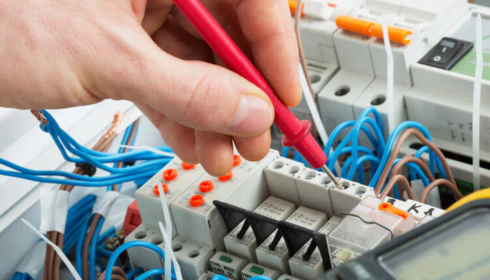
    Not every issue is obvious. Sometimes, the signs of electrical trouble hide in plain sight. If you notice outlets that feel warm, lights that dim when appliances turn on, or breakers that trip regularly, those are warning bells. Even buzzing sounds behind walls can indicate something isn’t right. It’s tempting to ignore small annoyances, but they rarely stay small. Electricity is unforgiving—you don’t get many second chances.


    Safety Should Always Come First

    One of the biggest misconceptions about electricity is that “DIY fixes” are harmless. Maybe it’s just swapping an outlet or tightening a breaker, right? Wrong. Electricity is unpredictable if you’re not trained, and even experienced professionals approach it with caution. Safety gear, testing equipment, and proper know-how aren’t optional—they’re non-negotiable.

    For homeowners, the best safety practice is knowing your limits. There’s no shame in calling a professional; in fact, it’s the smarter move. For businesses, the stakes are higher, with employees and customers under the same roof. Taking shortcuts can lead to liability nightmares if something goes wrong.


    The Long-Term Payoff

    Maintaining electrical systems may not feel glamorous, but it pays off in ways people often don’t notice. Regular inspections and small upgrades extend the lifespan of equipment. Energy efficiency improves when systems run smoothly. Insurance companies may even look favorably on businesses that document preventive maintenance.

    And then there’s peace of mind. Knowing your wiring won’t fail during a heatwave or that your shop won’t go dark during peak hours—that’s priceless.


    Final Thoughts

    Electrical systems may be behind the scenes, but they’re the backbone of modern life. Ignoring them is like never changing the oil in a car—it’ll work fine for a while, until one day it doesn’t, and you’re left with a costly mess.

    For businesses, maintenance protects revenue and reputation. For homeowners, it safeguards families and property. And for everyone, it reduces stress, prevents emergencies, and ensures we can keep living life without worrying whether the next switch we flip will actually work.

    So, the next time you glance at your breaker panel or see a light flicker, don’t brush it off. Take it as a reminder that electricity, as ordinary as it feels, is powerful and deserves respect. Call in the professionals, invest in preventive care, and rest easier knowing your home or business is powered safely and reliably.

  • Why Offices Are Ditching the Jug: A Fresh Look at Bottleless Water Coolers

    Why Offices Are Ditching the Jug: A Fresh Look at Bottleless Water Coolers

    Walk into almost any office a decade ago, and you’d see the same scene—a bulky water cooler standing in the corner with a giant blue jug balanced precariously on top. Someone would wrestle with replacing the bottle once it ran out, spilling a little in the process, and the whole room would smell faintly of plastic. It worked, sure, but it wasn’t exactly efficient. Fast forward to today, and the story is changing. More workplaces are realizing that there’s a better way to keep employees hydrated without the fuss, the waste, or the hidden costs.


    The Rise of Bottleless Solutions

    Instead of dealing with deliveries, heavy lifting, and endless empty bottles piling up, many businesses are switching to a bottleless water cooler for office spaces. These modern systems hook directly into a building’s water line, filtering it on the spot to provide clean, cold, or hot water whenever it’s needed. No more waiting for the next delivery. No more running out of water in the middle of a busy day. Just reliable hydration, available at the push of a button. It’s one of those upgrades that feels small at first but quickly changes the rhythm of the entire workplace.


    The Hidden Costs of the Old Way

    People often underestimate the expense of traditional bottled water systems. There’s the cost of delivery contracts, the storage space eaten up by spare jugs, and the time wasted every time someone has to replace one. Not to mention the environmental footprint of producing, transporting, and disposing of all that plastic. Once you add it up, bottled water coolers feel like relics of a less efficient time. It’s no surprise more managers are running the numbers and realizing there’s a smarter choice.


    Breaking Down the Cost

    Of course, the first question on anyone’s mind is price. What’s the cost of bottleless water cooler installation and operation compared to the traditional setup? The answer isn’t one-size-fits-all, but here’s the gist: while the upfront investment may be slightly higher, the ongoing savings are significant. You’re not paying for delivery contracts or constant jug replacements anymore. Instead, you have predictable maintenance costs and filters that need swapping only a few times a year. Over time, the math works out heavily in favor of bottleless systems, especially for larger offices with dozens of employees relying on them daily.


    Everyday Benefits Employees Actually Notice

    What makes these coolers so appealing isn’t just cost savings—it’s the experience. Water tastes fresher because it’s filtered right at the source. There’s no plastic taste from sitting in a jug for weeks. Employees never have to stop mid-task to deal with an empty bottle, and nobody risks straining their back lifting a new one. It’s also easier to keep spaces tidy without stacks of bottles cluttering hallways or supply closets. Clean, reliable water quietly makes life in the office smoother, healthier, and a little more enjoyable.


    Space-Saving Countertop Options

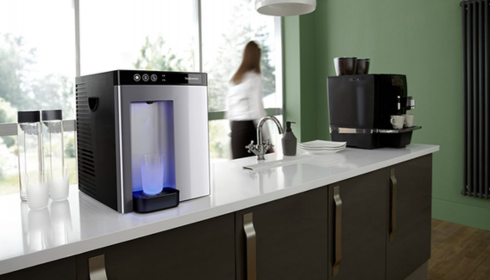
    Not every office has the luxury of space for a floor-standing unit. That’s where compact models come in, like a countertop bottleless water dispenser. These fit neatly on kitchen counters or breakroom surfaces, delivering the same quality filtration in a smaller footprint. For startups in co-working spaces or offices where every square foot matters, they’re a game-changer. They’re sleek, modern, and designed to blend in seamlessly without sacrificing performance. And because they’re bottleless, you still get all the convenience of never having to reorder water again.


    Environmental Wins That Add Up

    Beyond the balance sheet, there’s another compelling reason businesses are switching: sustainability. Every jug that doesn’t get produced, shipped, and discarded makes a difference. Offices committed to reducing their environmental impact often find bottleless systems are one of the simplest yet most effective changes they can make. Employees notice too. In an era where workplace culture and values matter, providing eco-friendly hydration shows staff and clients alike that you’re serious about walking the talk.


    Maintenance Without the Headaches

    A big misconception about bottleless systems is that they’re complicated to maintain. In reality, they’re refreshingly simple. Most require nothing more than occasional filter changes and a quick check to ensure everything’s running smoothly. Some even come with service agreements where providers handle the upkeep entirely, meaning businesses never have to think twice about it. Compared to the endless cycle of bottle orders and replacements, it feels effortless.


    A Better Fit for Modern Workplaces

    Today’s offices look and function differently than they did even a few years ago. Remote work, hybrid schedules, and smaller footprints are reshaping what companies need. Water solutions have to keep up. Bottleless coolers meet that demand with flexibility, scalability, and design that works just as well in a ten-person startup as in a multi-floor corporate headquarters. They’re adaptable, efficient, and modern—exactly what today’s workplaces expect from the basics.


    The Human Side of Water

    It’s easy to get lost in the math, the logistics, and the technical details, but at the end of the day, water is about people. It’s the intern grabbing a glass before heading into their first big meeting. It’s the late-night team pouring cups during a deadline push. It’s the small moments where a sip of cold, clean water clears your head and helps you keep going. Bottleless systems don’t just save money or reduce plastic—they make sure those little moments happen without stress, without interruptions, and without compromise.


    Wrapping It Up

    The switch from bottled to bottleless coolers isn’t just a trend—it’s part of a larger shift toward smarter, more sustainable workplaces. It saves money, reduces waste, and makes daily office life more comfortable. Whether you choose a floor model for a busy space or a countertop dispenser for a smaller office, the outcome is the same: clean, reliable water that’s always ready when you need it. And once you’ve experienced it, going back to the old jug-in-the-corner setup feels unthinkable.

  • Why Tampa Homeowners Are Turning to Salt Delivery for Softer, Cleaner Water

    Why Tampa Homeowners Are Turning to Salt Delivery for Softer, Cleaner Water

    There’s a certain relief that comes with knowing your water softener is doing its job. The dishes sparkle, showers feel smoother, and the laundry doesn’t come out stiff as a board. But anyone who owns a softener knows the truth: it’s only as good as the salt you feed it. Lugging 40-pound bags from the store to the garage or basement? Not exactly the most glamorous weekend chore. That’s where salt delivery services come in—quietly making life easier while keeping homes running smoothly.


    The Often Overlooked Chore

    Most homeowners don’t think about salt until the system starts acting up. Maybe the water feels “harder” than usual, or spots show up on freshly washed glasses. Then you peek in the brine tank and realize it’s practically empty. Cue the late-night trip to the hardware store, carrying heavy bags that somehow always seem to leak tiny white crystals on your car seat.

    That’s why a water softener salt delivery service feels like more than just convenience—it’s a sanity saver. By taking the hassle out of salt refills, it ensures your softener works consistently without you having to keep track of levels or haul heavy bags.


    Why Tampa Homes Benefit Even More

    Living near the Gulf Coast comes with perks—sunsets, beaches, warm winters—but it also comes with notoriously hard water. High mineral content wreaks havoc on appliances and plumbing, not to mention leaving a film on skin and hair. For families juggling work, kids, and the daily grind, remembering to restock softener salt often falls to the bottom of the list.

    That’s why more households are signing up for water softener salt delivery Tampa FL providers offer. It’s a simple adjustment that makes daily life run smoother, especially in a region where skipping a refill quickly translates into cloudy dishes and dry showers.


    The Double Win: Delivery Plus Maintenance

    Some companies go a step further, pairing salt delivery with check-ups. Instead of just dropping off bags, technicians refill the tank and make sure the system itself is working properly. They’ll spot problems early, saving you from bigger headaches down the road.

    This combined service—salt delivery + softener maintenance Tampa residents can rely on—takes one more thing off the mental checklist. It’s a “set it and forget it” approach that homeowners often describe as surprisingly freeing.


    Everyday Benefits That Sneak Up on You

    The funny thing about water softeners is that when they’re working, you stop noticing. Soap lathers like it should, clothes feel softer, faucets stay shiny, and your water heater doesn’t groan under layers of scale. It all becomes the new normal.

    It’s only when the salt runs out and the system slips that you remember just how annoying hard water can be. Delivery services prevent that slide, keeping the benefits rolling quietly in the background.


    Saving More Than Just Backaches

    Carrying and storing heavy bags isn’t just inconvenient—it can actually be risky for older homeowners or anyone with back issues. A simple delivery service eliminates that strain, ensuring the system gets what it needs without anyone risking injury.

    On top of that, bulk delivery often saves money compared to buying smaller bags piecemeal from the store. And by sticking to a regular schedule, you avoid both last-minute runs and periods of poor water quality.


    The Environmental Angle

    Believe it or not, reliable salt refills can also help systems run more efficiently, using less water during regeneration cycles. That means less waste over time. Pair that with fewer emergency store trips (and the fuel burned driving there), and the service quietly contributes to a greener household routine.

    It’s one of those hidden environmental wins that come with making life easier.


    Local Stories That Stick

    One homeowner in South Tampa shared how he finally signed up for delivery after throwing his back out lugging salt down to the basement. “Now I don’t even think about it,” he admitted. “The tech comes, fills the tank, and I just enjoy softer water without lifting a finger.”

    Another family near Clearwater mentioned how their kids used to complain about itchy skin after showers when they’d forget refills. With scheduled deliveries, the problem vanished. “It sounds silly, but it really improved our daily mood,” they laughed.


    What to Look For in a Provider

    Not all services are created equal. Some simply drop off bags, while others handle the refilling and maintenance. When choosing a provider, it’s worth asking:

    • Do they refill the tank for you or just deliver?
    • Can they also check system health during visits?
    • Do they offer flexible delivery schedules?
    • Are they experienced with Tampa’s specific water conditions?
    • Do they provide eco-friendly salt options?

    A little research ensures you’re not just buying convenience, but also long-term peace of mind.


    Why It’s Worth the Investment

    At first glance, delivery might feel like an “extra.” But when you weigh the benefits—longer appliance life, fewer repairs, less stress, and the sheer comfort of consistently soft water—it quickly becomes clear it’s not just about convenience. It’s about protecting your home and making daily life easier.

    Think of it like lawn service or HVAC maintenance. Sure, you could handle it yourself, but outsourcing keeps everything running smoothly without the mental load.


    Looking Ahead in Tampa

    As more homeowners look for ways to simplify busy lives, services like salt delivery are likely to become as common as grocery drop-offs. In a city where hard water is a constant, reliable systems—and the salt that fuels them—are more than just a luxury. They’re part of creating a home that feels comfortable, efficient, and low-stress.


    Wrapping It Up

    Water softeners may not be glamorous, but they’re the quiet heroes of the household. And like any hero, they need fuel to keep doing their job. Salt delivery services take an annoying, heavy chore off your plate, ensuring you keep reaping the benefits without lifting a bag.

    For Tampa residents, where hard water is a daily reality, delivery isn’t just about convenience—it’s about comfort, health, and protecting the investments you’ve made in your home. Because sometimes, the smallest chores we outsource bring the biggest improvements to daily life.

  • Why a Water Softener Might Be the Quiet Upgrade Your Home Has Been Waiting For

    Why a Water Softener Might Be the Quiet Upgrade Your Home Has Been Waiting For

    Most of us don’t think much about the water running through our homes until something feels off. Maybe it’s the cloudy film on freshly washed glasses, or the way soap refuses to lather in the shower. Sometimes it’s as subtle as dry skin that never seems to go away or towels that feel stiff no matter how much fabric softener you use. Hard water isn’t dramatic, but it sneaks into daily life, quietly making things harder (no pun intended) than they should be.

    That’s why more homeowners are starting to pay attention to water softeners—not as some luxury gimmick, but as a practical fix that changes the way a home feels from the inside out.

    The Subtle Signs of Hard Water

    Hard water is one of those issues that doesn’t scream at you, but once you notice it, you can’t unsee it. Scale builds up on faucets. Appliances don’t last as long as they should. Clothes fade faster, and your morning coffee never quite tastes right. None of it is life-threatening, but it’s frustrating.

    When people finally decide they’ve had enough, the first step is usually searching for water softener installation near me, realizing that there’s a solution designed to tackle the problem at its root. It’s not about adding another gadget to the house. It’s about making sure every gallon of water that flows through your pipes is working with you, not against you.

    Everyday Comfort, Every Room

    What’s often overlooked is just how many areas of your life water touches. It’s in the kitchen, the bathrooms, the laundry room, and running through the appliances you depend on daily. With softened water, dishes come out cleaner, showers feel smoother, and even the mundane task of doing laundry gets an upgrade.

    It’s less about flashy results and more about small, consistent improvements that stack up. Over time, you start to notice how much easier life feels when water isn’t leaving behind a trail of frustration.

    When Things Break at the Worst Possible Time

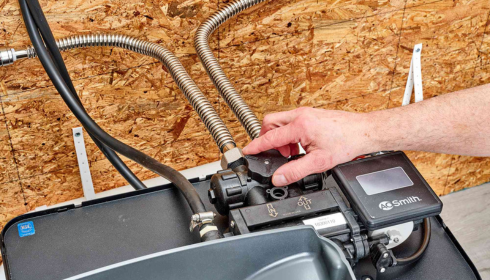
    Here’s the thing—water softeners aren’t indestructible. Valves wear out, salt bridges form, and sometimes the system simply stops working without warning. And because water is something you use constantly, when the softener goes down, you notice right away.

    That’s when homeowners find themselves frantically Googling emergency water softener repair near me, hoping for a quick fix before the dishes pile up with spots and the shower starts leaving that squeaky film again. The urgency is real because hard water doesn’t politely wait until you’re ready to deal with it—it just barges back into daily life.

    The Long-Term Value Nobody Talks About

    At first glance, a water softener might seem like another expense in a long list of home improvements. But if you step back, the math makes sense. Appliances last longer. Plumbing stays clearer. Energy bills drop because your water heater doesn’t have to fight through layers of mineral buildup.

    Then there’s the quality-of-life value: softer clothes, shinier dishes, better-tasting drinks, and fewer maintenance headaches. It’s one of those investments that pays you back, not in one big moment, but in hundreds of little ones spread across years.

    Southern California’s Special Challenge

    Regions like Southern California are notorious for hard water. You don’t need a lab test to tell you—your faucets, showerheads, and sinks do all the talking. In places where the water is this tough, ignoring the problem isn’t really an option.

    That’s why so many households choose to water softener installation near me services offered by local experts who understand the specific quirks of the area’s water. A system tailored to the region doesn’t just solve today’s issues—it’s built to handle the challenges that come with living there long term.

    Maintenance: Easier Than You Think

    People sometimes hesitate because they picture complicated upkeep. But in reality, most modern systems are low-maintenance. A little salt refilling here, a scheduled checkup there, and you’re good to go. Some even have smart features that let you know when it’s time for attention.

    For homeowners who prefer not to think about it at all, service plans make it simple. Professionals handle the details so you can just enjoy the results. It’s one of those set-it-and-forget-it upgrades that blends into daily life so seamlessly that you only remember it’s there when you appreciate how good the water feels.

    The Emotional Side of Clean Water

    We don’t often talk about water in emotional terms, but it shapes how we experience home. Clean, soft water makes showers more relaxing, cooking more satisfying, and even the simple act of grabbing a glass from the sink more enjoyable.

    It’s about comfort, sure, but also about pride. When your home runs smoothly—when the dishwasher leaves everything spotless or the laundry smells fresh without extra chemicals—it feels like a win. And those wins add up in ways you might not expect.

    Thinking Ahead

    Homes are always evolving. We upgrade kitchens, replace roofs, add smart gadgets. But the systems that truly make a home work—the plumbing, the heating, the water—are often the ones we overlook until there’s a problem. Water softeners are part of that invisible infrastructure. They don’t shout for attention, but they quietly transform the way you experience your space.

    In the long run, investing in water quality is just as important as any renovation. It’s not about what people see when they walk into your home—it’s about how you feel living in it every day.

    Wrapping It All Up

    At the end of the day, a water softener isn’t a flashy home upgrade. It doesn’t get Instagram posts or neighborly compliments. But it makes life better in dozens of quiet, consistent ways. From keeping your appliances alive longer to making every shower more refreshing, it’s the kind of improvement that pays dividends in comfort and convenience.

    So if you’ve been noticing the telltale signs of hard water—or if you’re just tired of the small daily annoyances it brings—it might be time to consider your options. Because clean, soft water isn’t just about what runs through your pipes. It’s about how your home feels, and how much easier life can be when the basics are finally working in your favor.

  • When Your Home Runs on Machines: Why Reliable Appliance Repair in Dallas Matters More Than You Think

    When Your Home Runs on Machines: Why Reliable Appliance Repair in Dallas Matters More Than You Think

    It’s funny how little we notice our appliances until they suddenly stop doing their jobs. A washing machine that refuses to spin, a fridge that hums like an angry bee, or an oven that won’t heat up right—those aren’t just inconveniences, they’re day disruptors. In a city like Dallas, where life moves fast and schedules rarely pause, dependable repair services can feel like a lifeline.

    Think about it: appliances are woven into the rhythm of our homes. They’re not glamorous, but they’re the quiet heroes keeping us sane. And when they break down? Well, the house doesn’t just feel messy, it feels like it’s holding you hostage. That’s why finding trusted appliance repair dallas professionals isn’t just about fixing a machine—it’s about restoring some peace to your daily life.


    The Refrigerator: The True Anchor of the Kitchen

    If there’s one appliance that sparks panic when it quits, it’s the refrigerator. Left unchecked, spoiled groceries can cost you a small fortune, not to mention the hassle of tossing out wasted food. Dallas summers don’t exactly do us favors either—warm air and a broken fridge are a recipe for disaster.

    That’s where local specialists in refrigerator repair dallas step in. It’s not just about getting the motor to hum again; it’s about saving you from midnight grocery runs and keeping your family’s meals safe. Sometimes the fix is simple, like a faulty thermostat. Other times it’s more complicated, like a compressor issue. Either way, the right technician understands urgency—because nobody wants to watch their fridge become an expensive storage cabinet for melted ice cream and wilted veggies.


    Washers and Dryers: The Unsung Heroes of Modern Life

    Let’s be honest: doing laundry is rarely anyone’s favorite chore. But not being able to do it at all? That’s a whole new level of stress. Laundry piles up faster than we admit, especially if you’ve got kids, roommates, or just a busy lifestyle. Missing one laundry day can turn into a week of chaos.

    Reliable washer dryer repair dallas services can be the difference between tackling the week in fresh clothes or scrambling for a backup outfit that doesn’t quite fit right. The beauty of professional repair isn’t just in fixing the immediate problem—it’s also in extending the life of your machines. A simple belt replacement or drum adjustment can add years to your washer or dryer, saving you from the dreaded expense of full replacement before it’s truly necessary.


    Why Local Repair Services Often Beat Big Chains

    There’s something to be said for local Dallas repair companies. Sure, big national brands have recognition, but local technicians tend to bring something extra to the table: accountability. They live in the same neighborhoods, shop at the same grocery stores, and know that their reputation matters long after the repair is done.

    When you choose local, you’re not just getting a fix—you’re building a relationship. Many homeowners find that their go-to repair service becomes a trusted contact, the kind of number you save in your phone because you know you’ll need it again. Plus, local businesses often offer quicker response times, which is exactly what you want when your freezer is defrosting in real-time.


    The Balancing Act: Repair or Replace?

    This is the million-dollar question, isn’t it? When something breaks, should you repair it or just bite the bullet and buy new? The truth is, it depends. Age, condition, and cost all play a role. A fridge that’s ten years old with a failing compressor might not be worth the fix, while a three-year-old washer with a minor electrical issue is probably begging for a simple repair.

    The trick is finding a technician who’s honest enough to tell you when it’s worth repairing and when it’s smarter to invest in a new appliance. That honesty builds trust, and trust is the currency of any good service business.


    Keeping Your Appliances (and Sanity) Intact

    The truth about appliances is this: they will break at some point. No machine runs forever, and most don’t pick convenient times to quit. But the difference between a small hiccup and a household crisis often comes down to how quickly and effectively the repair gets handled.

    Regular maintenance helps—cleaning dryer vents, checking seals on your refrigerator, and not overloading the washer can all go a long way. But when problems do pop up, having a reliable repair service in Dallas is like having an insurance policy for your everyday life.


    Final Thoughts

    Life without functioning appliances is a test of patience most of us don’t want to take. And in Dallas, where the days are long, hot, and full of things to do, that’s especially true. Whether it’s a stubborn fridge, a misbehaving dryer, or a dishwasher that’s decided to flood the kitchen, knowing there’s a trusted repair professional just a phone call away can ease the stress.