Water quality can influence more than people realize. It affects the taste of coffee, the smell of tap water, the way food cooks, and how comfortable a family feels about filling a glass straight from the kitchen faucet. Even when municipal water is treated and regulated, it may still contain minerals, chlorine, sediments, or other substances that affect its overall quality.
That’s why many homeowners are exploring water purification options that go beyond basic filtration. From advanced membrane technology to mineral-focused systems, there are several ways to improve household water. The challenge is choosing a system that matches the water source, the household’s habits, and the results people actually want.
Understanding the Main Water Treatment Options
Not every water purification system works in the same way. Some filters focus on sediment and odors, while others are designed to reduce dissolved contaminants. Certain systems also aim to change the water’s mineral content or pH level.
Before choosing a product, homeowners should understand what each technology does. A system that works well for improving taste may not be designed to remove nitrates or heavy metals. Similarly, a purifier intended for drinking water may not be suitable for treating every water outlet in the house.
A water test is a sensible first step. It can reveal whether the main concern is chlorine, hardness, dissolved minerals, bacteria, or a combination of issues. Without that information, it’s easy to choose a system based on marketing rather than actual need.
What Are Alkaline and Ionized Water Systems?
Many people are interested in alkaline and ionized water systems because of their approach to mineral content and water pH. These systems generally use an electrolysis process to separate water into streams with different pH levels. The alkaline stream is commonly intended for drinking, while the more acidic stream may be used for certain household purposes, depending on the manufacturer’s instructions.
The appeal often comes from the taste and the idea of drinking water with a higher pH. Some users describe it as smoother or less sharp than ordinary tap water. However, claims that alkaline water can prevent disease, dramatically improve health, or replace medical treatment are not well established. The human body already regulates blood pH very carefully, and drinking water does not fundamentally change that system.
If someone chooses an ionized water machine, it’s worth checking the quality of the incoming water first. Electrolysis does not replace proper purification, and the system’s performance depends heavily on the water entering it. In some cases, pre-filtration is necessary to protect the equipment and improve the final result.
How Reverse Osmosis Purification Works
Another widely used option is reverse osmosis. Reverse osmosis purification systems use pressure to push water through a semi-permeable membrane. The membrane allows water molecules to pass through while reducing many dissolved salts, metals, and other contaminants.
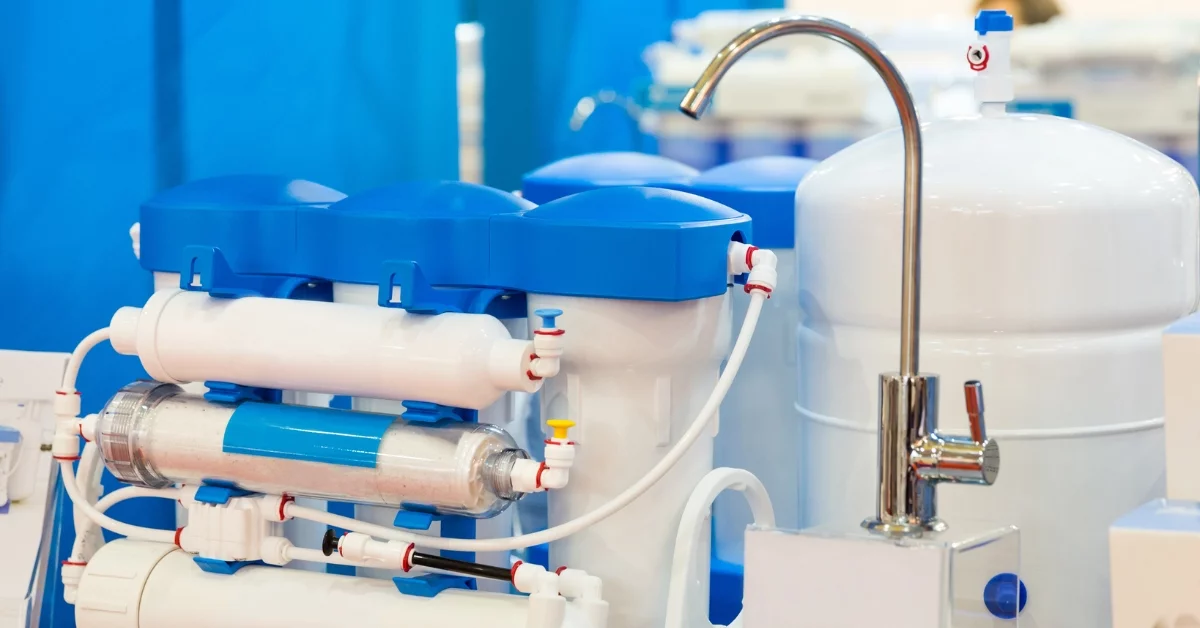
Most modern RO systems include multiple stages. A sediment filter may remove dirt and particles, while activated carbon filters can reduce chlorine and certain odors. The RO membrane handles many dissolved impurities, and a final filter may improve taste before the water reaches the tap.
Reverse osmosis is especially useful when water contains high levels of dissolved substances or when homeowners want a dedicated source of purified drinking water. Still, it is not a universal solution for every water problem. It may not remove all contaminants equally, and it can produce wastewater during the purification process. Buyers should review the system’s performance data rather than relying on broad claims such as “removes everything.”
Is RO Water Completely Pure?
The phrase “pure water” can be misleading. Reverse osmosis can significantly reduce many contaminants, but the final quality depends on the membrane, filter stages, water pressure, maintenance, and storage conditions.
RO systems also remove many minerals, including calcium and magnesium. For most people, this is not a major nutritional concern because the majority of essential minerals come from food. However, some users prefer the taste of water with minerals added back. A remineralization filter can help create a more balanced flavor after the RO process.
The storage tank and faucet should not be overlooked either. If the system is poorly maintained, the quality of the water may decline after purification. Regular filter changes and periodic sanitization are just as important as the technology itself.
What Does Bottle-Quality Water Really Mean?
Homeowners often want bottle-quality water without the expense, plastic waste, and inconvenience of constantly purchasing bottled water. A well-designed purification system can provide water that tastes clean and fresh, but “bottle-quality” should not be treated as a technical guarantee.
Bottled water varies widely. Some brands use purified water, others sell spring water, and some contain added minerals for taste. The quality depends on the source, treatment method, packaging, and storage conditions. A home system may offer an equally pleasant or even fresher drinking experience because the water is filtered and consumed directly rather than sitting in plastic for long periods.
The most useful comparison is not simply whether water tastes like a particular bottled brand. It is whether the system consistently produces water that meets the household’s quality expectations and is maintained according to the manufacturer’s recommendations.
Comparing Taste, Maintenance, and Cost
Taste is one of the easiest differences to notice, but it should not be the only factor. Alkaline ionizers may appeal to people who enjoy a different mineral profile or pH level. RO systems may be better suited to households concerned about dissolved contaminants. Carbon filters can be effective for improving chlorine taste and odor without removing as many minerals.
Maintenance costs also vary. RO systems usually require several filter replacements and may eventually need a new membrane. Ionized water machines may need cleaning cycles, filter changes, and attention to mineral buildup. A basic carbon filter may be less expensive initially, but it may not address more complicated water-quality concerns.
When comparing systems, look beyond the purchase price. Consider replacement filter availability, installation, annual servicing, water waste, electricity requirements, and warranty coverage. A cheaper system can become expensive if replacement parts are difficult to find or service support is poor.
Should You Choose One System or Combine Technologies?
In some homes, combining technologies makes sense. For example, a sediment and carbon pre-filter may protect a reverse osmosis membrane and improve the taste of the incoming water. In other situations, a whole-house softener may be installed to address hard water, while a separate RO unit supplies purified water at the kitchen sink.
An ionizer may also require pre-treatment if the source water contains substances that could interfere with its operation. The key is to understand the role of each device. Installing multiple systems without a clear purpose can increase maintenance and cost without producing meaningful benefits.
A qualified water treatment professional can help determine whether one technology is enough or whether a combination would be more practical.
Making a Sensible Choice
The right water purification system is not necessarily the most expensive or the one with the longest list of features. It is the system that addresses the actual problems in your water and fits comfortably into your daily routine.
Start with a water test. Identify the contaminants or taste concerns that matter most. Then compare certified performance claims, maintenance requirements, installation needs, and long-term costs. Be cautious with exaggerated health promises, especially when they suggest that a particular type of water can cure illnesses or replace a balanced diet.
Whether you prefer mineral-rich water, purified RO water, or a simple filtration setup, informed selection matters. With the right equipment and regular care, a home water system can make drinking water more convenient, pleasant, and dependable—one glass at a time.