

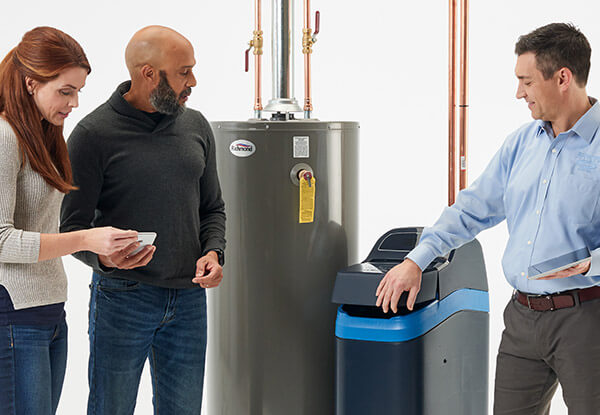
Most people don't think much about their home's water until something changes. Perhaps the shower leaves stubborn white marks on the glass, the kitchen faucet develops a chalky buildup, or the water from the tap has a taste nobody in the family particularly likes. These issues may seem small at first, but over time they…
On this page
Most people don’t think much about their home’s water until something changes. Perhaps the shower leaves stubborn white marks on the glass, the kitchen faucet develops a chalky buildup, or the water from the tap has a taste nobody in the family particularly likes. These issues may seem small at first, but over time they can affect daily routines, household appliances, and confidence in the water you use.
A reliable water treatment professional can help make sense of these problems. The challenge is knowing who to trust. With different systems, service packages, and technical claims to compare, finding the right provider takes more than choosing the first name that appears in a search. Experience, training, honest advice, and dependable aftercare all matter.
Start With the Water Problem, Not the Equipment
Before discussing equipment, a good service provider should want to understand what’s happening in your home. Hard water, sediment, unpleasant tastes, and specific contaminants are different issues, and they don’t necessarily require the same treatment.
Hard water, for example, contains higher concentrations of dissolved calcium and magnesium. These minerals can leave deposits on fixtures, reduce the effectiveness of soap, and contribute to scale buildup in water heaters. Filtration systems, meanwhile, may be designed to reduce chlorine taste, sediment, or particular contaminants, depending on the filter technology.
That’s why testing can be such a useful first step. Rather than recommending an expensive system based on a quick glance at your plumbing, a knowledgeable professional can help identify what needs attention and explain the available solutions.
Be cautious of anyone who claims one device can remove every possible impurity. Water treatment is rarely that simple. The right equipment depends on the water source, test results, household usage, and the manufacturer’s verified performance claims.
Why Choosing an Authorized Dealer Can Help
Water treatment systems involve more than purchasing a unit and connecting a few pipes. Correct sizing, installation, programming, and maintenance all influence how well the equipment performs over time.
Working with a factory-certified EcoWater dealer can offer an additional layer of confidence when you’re considering an EcoWater system. Certification may indicate that the dealer has completed manufacturer-specific training or meets certain requirements for representing and servicing the brand. The exact benefits can vary, so it’s sensible to ask what the certification covers and whether it applies to the particular equipment you’re considering.
A dealer familiar with the manufacturer’s products may also be better positioned to explain system features, recommended maintenance intervals, warranty conditions, and compatible replacement parts. That can be especially helpful if you’re comparing a water softener with a drinking-water filtration system and aren’t sure which approach makes sense for your household.
Still, certification shouldn’t be the only deciding factor. Ask about local service availability, written estimates, customer support, and how the company handles problems after installation. A reputable provider should be willing to answer these questions without making you feel rushed.
Installation Quality Makes a Real Difference
Even excellent equipment can disappoint when it’s installed incorrectly. A system that is too small for the household may struggle during periods of heavy use, while poor plumbing connections can lead to leaks or unnecessary pressure problems.
Qualified licensed technicians can help ensure that installation work follows applicable licensing requirements, plumbing codes, and manufacturer instructions. Because licensing rules vary by location and by type of work, homeowners should verify the relevant credentials rather than assume every technician has the same authorization.
Before work begins, ask the installer to explain where the equipment will sit, whether existing plumbing needs modification, and how the system will affect water flow. If a unit requires a drain connection, electrical supply, or additional space for maintenance, those details should be discussed beforehand.
It’s also worth asking what the installation appointment includes. Will the technician test the system after setup? Will they demonstrate how to check settings or replace a filter? Will you receive information about routine servicing? These may sound like minor details, but they make living with the equipment much easier.
A professional installation should leave you understanding not just that the system works, but also how to look after it.
Look Beyond the Initial Installation
Water treatment isn’t usually a one-time job. Filters eventually need replacing, softeners may require salt replenishment, and mechanical components can wear down. Without regular attention, a system may gradually lose performance even when nothing appears obviously wrong.
This is where full service support can become valuable. Depending on the provider’s package, it may include installation, scheduled maintenance, troubleshooting, repairs, and replacement of selected components. However, the phrase can mean different things to different companies, so always check the written terms.
Ask how service appointments are arranged, whether routine visits are included in the quoted price, and what happens if the equipment stops working unexpectedly. Find out whether filters, salt, labor, and replacement parts are covered or billed separately.
Response time matters, too. If your household relies on a treatment system to address a known water-quality issue, waiting weeks for assistance can be frustrating. A provider with a clear service process and accessible support can make a noticeable difference.
Keep the system’s maintenance records somewhere convenient. Dates of filter changes, service visits, and water tests can help identify recurring issues and make future appointments more productive.
Understand the Costs Before Committing
Price is naturally part of the decision, but the lowest quote doesn’t always offer the best value. A useful comparison includes equipment, installation, ongoing maintenance, replacement filters, warranty coverage, and potential repair costs.
Ask for an itemized estimate rather than relying on a broad verbal figure. If a provider recommends multiple treatment stages, ask what each stage does and why it’s needed. There may be a good technical reason for the recommendation, but you deserve to understand it.
Warranty terms also deserve careful attention. Check how long the equipment is covered, whether labor is included, and what conditions might void the warranty. Some systems require specific maintenance or approved replacement components to maintain coverage.
If financing or rental arrangements are available, compare the total cost over the agreement period with the cost of purchasing the equipment outright. Monthly payments can make budgeting easier, but cancellation fees, service exclusions, and contract length should be clear from the beginning.
Questions Worth Asking Before You Hire Anyone
A short conversation can reveal a lot about a company’s approach. Ask whether it can test your water or explain the results of an independent test. Find out why the recommended system suits your needs, what it won’t remove, and how its performance is verified.
You should also ask about the technician’s qualifications, the installation timeline, and the support available after the work is finished. If the company makes a health-related claim about its equipment, request reliable documentation instead of accepting a promise at face value.
Pay attention to how the answers are delivered. A good professional explains technical matters in plain language, acknowledges limitations, and gives you time to make a decision. Pressure tactics and vague guarantees are reasons to slow down and compare other providers.
Better Water Starts With an Informed Choice
Choosing a water treatment professional is ultimately about finding someone who understands your household’s needs and stands behind the work. The right provider won’t simply sell equipment; they’ll help you understand the problem, select a suitable solution, and keep the system performing as intended.
Take time to compare qualifications, installation standards, service agreements, and long-term costs. Ask questions until the answers make sense, and make sure important promises appear in writing.
Water treatment may not be the most exciting home improvement project, but it can make everyday life more comfortable. With reliable advice and thoughtful maintenance, you can make a decision based on evidence rather than guesswork—and feel more confident about the water flowing through your home.