

Most of us don't think much about water until something feels different. Maybe the shower leaves white marks on the glass, the kitchen tap develops an unusual taste, or the washing machine seems to collect more mineral buildup than it used to. These little frustrations can become part of the daily routine, and before long,…
On this page
Most of us don’t think much about water until something feels different. Maybe the shower leaves white marks on the glass, the kitchen tap develops an unusual taste, or the washing machine seems to collect more mineral buildup than it used to. These little frustrations can become part of the daily routine, and before long, you’re wondering whether your home’s water needs attention.
Choosing a treatment system can feel surprisingly complicated. There are filters, softeners, reverse osmosis units, and several other technologies, each designed to handle different concerns. The trick isn’t to buy the most advanced equipment available. It’s to understand your water, find the right approach, and make sure the system will work properly long after installation day.
Start by Understanding the Problem
Water quality varies from one home to another. Municipal supplies are generally treated before distribution, but their mineral content and taste can differ. Private wells may have additional concerns related to local geology, surrounding land use, and changes in groundwater conditions.
Some household problems are relatively easy to recognise. White scale around faucets may suggest hard water, while reddish staining can sometimes indicate iron. A chlorine-like taste may lead you to consider a suitable carbon filter. Other issues are less obvious because dissolved substances and certain contaminants cannot be detected by sight or smell alone.
That’s why testing is worth considering before purchasing equipment. A suitable water test can help identify hardness, pH, iron, and other substances relevant to your water source. Health-related concerns may require specialised testing through a certified laboratory. If you use a private well, local health authorities can often provide guidance about which tests are appropriate.
Once you have reliable results, you can make decisions based on evidence instead of guessing. It also becomes easier to explain your concerns to a treatment provider and understand why a particular system might be recommended.
Why the Right Advice Makes a Difference
A water treatment system should solve a specific problem, not simply add another piece of equipment to the house. For example, a softener can help reduce hardness minerals, but it isn’t designed to remove every contaminant. Activated carbon may improve certain tastes and odors, while reverse osmosis can reduce many dissolved substances when the system is properly selected.
Good advice helps connect these differences with the conditions in your home. A provider should ask about your water source, household size, existing plumbing, and the issues you’ve noticed. They should also explain what a recommended system can and cannot do.
This is where personalized solutions become useful. A small household that mainly wants better-tasting drinking water may need a different setup from a large property dealing with hard water throughout its plumbing. The right arrangement depends on water test results, daily demand, available space, and the amount of maintenance you’re comfortable handling.
Be cautious of anyone who recommends expensive equipment before asking basic questions. A reliable professional should be able to explain the reasoning behind a recommendation without relying on scare tactics or promises that one device can fix every possible water issue.
Installation Is More Than Connecting a Filter
Even suitable equipment can disappoint when it isn’t installed correctly. Connections need to be secure, the system must be sized for the household’s water demand, and the installation should follow the manufacturer’s requirements. Depending on the equipment, drainage, electrical access, plumbing modifications, or other site-specific details may need attention.
Professional expert installation services can help manage these practical requirements. An installer can assess the available space, explain where the equipment will be positioned, and check whether the existing plumbing is suitable. After installation, the system should be tested for leaks and prepared for use according to the manufacturer’s instructions.
Before agreeing to a project, ask what the quoted price includes. Does it cover labour, fittings, disposal of old equipment, and any necessary plumbing changes? Will the installer explain how to operate the system and replace consumable parts? A written estimate helps avoid misunderstandings later.
It’s also worth discussing water pressure and flow rate. A system that works well under light demand may feel inconvenient if several showers, taps, and appliances operate at the same time. Proper sizing can make a noticeable difference to everyday use.
Choosing Equipment That Fits Your Water
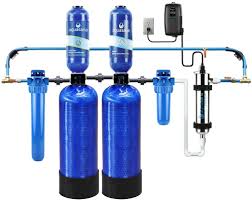
There are several treatment methods available, and each serves a different purpose. Sediment filters capture suspended particles, while activated carbon can reduce certain tastes, odors, and selected compounds. Conventional water softeners use ion exchange to reduce calcium and magnesium, helping limit scale formation. Reverse osmosis systems can reduce a range of dissolved substances, depending on their design and certification.
In some homes, a single point-of-use filter may be enough. It treats water at a particular tap, making it a practical option when drinking and cooking water are the main concerns. Other properties may benefit from whole-house equipment installed where water enters the building.
The important thing is to match the technology to the results of testing. A general-purpose filter shouldn’t be assumed to remove lead, bacteria, or other specific contaminants unless its verified performance supports that claim. If a test identifies a health-related concern, follow appropriate professional or public-health guidance rather than relying on a product description alone.
When comparing water quality solutions, consider more than the number of filtration stages or the appearance of the equipment. Look at documented performance, independent certifications where relevant, expected flow rate, replacement schedules, and long-term operating costs. These details provide a clearer picture of what you’re actually buying.
Don’t Forget the Cost of Maintenance
The purchase price is only one part of owning a water treatment system. Filters eventually need replacing, softeners may require salt or regeneration materials, and reverse osmosis membranes have a limited service life. Some equipment also needs periodic cleaning, sanitation, or professional inspection.
Ask the provider for a realistic maintenance schedule before installation. Find out how much replacement parts cost and whether they’re readily available. If servicing requires a technician, understand the likely frequency and any associated charges.
Keeping records can make the process easier. Note the installation date, filter changes, service visits, and any water test results. If taste, odor, pressure, or staining changes later, this information may help identify whether the system needs attention or the water should be tested again.
Maintenance isn’t glamorous, but it protects the value of your investment. A properly cared-for system is more likely to perform as intended than one that receives attention only when something goes wrong.
What a Good Provider Should Offer
A useful treatment provider does more than sell equipment. They explain the available options, answer questions clearly, and give you enough information to make a considered choice. They should be willing to discuss limitations, ongoing costs, and the reasons behind their recommendations.
Take time to compare estimates if you’re planning a larger installation. Look at the proposed work, equipment specifications, warranty terms, and servicing arrangements rather than choosing solely on price. A cheaper quote may not include the same components or installation details as another proposal.
Most importantly, don’t feel pressured to decide immediately. Water treatment is a long-term household choice, and you deserve to understand what the system will accomplish.
Make Your Next Step an Informed One
Better water starts with knowing what you’re dealing with. Test when appropriate, compare technologies carefully, and ask questions before committing to equipment. The right treatment setup should address your household’s actual needs without adding unnecessary complexity or expense.
With sensible advice, proper installation, and regular maintenance, water treatment can become a straightforward part of looking after your home. You don’t need a perfect system on paper; you need one that works reliably in real life, fits your budget, and gives you greater confidence in the water you use every day.