

Water is part of almost everything we do. We use it to cook, clean, wash clothes, prepare drinks, and keep our homes and workplaces running smoothly. So, when water starts leaving chalky deposits on taps, staining sinks, or affecting the performance of appliances, the inconvenience can quickly become difficult to ignore. Often, the problem comes…
On this page
Water is part of almost everything we do. We use it to cook, clean, wash clothes, prepare drinks, and keep our homes and workplaces running smoothly. So, when water starts leaving chalky deposits on taps, staining sinks, or affecting the performance of appliances, the inconvenience can quickly become difficult to ignore.
Often, the problem comes down to water quality. Hard water, for example, contains dissolved minerals that can accumulate inside pipes, water heaters, and other equipment. While these minerals aren’t generally a health concern at typical drinking-water levels, they can create ongoing maintenance headaches.
The good news is that the right treatment approach can make a noticeable difference. Whether you’re managing a family home, a restaurant, or a commercial property, understanding your options helps you invest in equipment that solves a real problem instead of adding another unnecessary expense.
Understanding Your Water Before Buying Equipment
Before choosing any treatment product, take a closer look at the water supply itself. Water quality varies by location, source, and plumbing conditions. Some properties receive relatively soft municipal water, while others deal with significant hardness caused by naturally occurring calcium and magnesium.
Common signs of hard water include white scale around faucets, cloudy glassware, soap that doesn’t lather easily, and deposits inside kettles. You might also notice that showerheads need cleaning more frequently or that laundry feels less comfortable after washing.
These signs can point toward a water quality issue, but they’re not definitive proof. Testing helps establish the actual hardness level and can reveal other concerns that may require different treatment methods.
A professional water assessment can be especially helpful for larger properties or businesses with heavy water usage. Depending on the source, testing may examine hardness, iron, manganese, pH, and other relevant characteristics.
Getting these details right at the beginning makes the rest of the process easier. There’s little point in buying a sophisticated filtration unit if the main issue is mineral scale, just as a softener won’t necessarily solve problems involving chlorine taste or microbial contamination.
What Water Conditioning Equipment Can Do
Water treatment includes several technologies, each designed to address particular conditions. Understanding the differences can help you narrow down your options without getting lost in technical specifications.
For example, water conditioning equipment may include filtration units, softeners, sediment filters, and specialized treatment devices. Some products reduce hardness minerals, while others target particles, unpleasant tastes, odors, or specific contaminants.
Conventional ion-exchange softeners reduce calcium and magnesium by exchanging these minerals for sodium or potassium ions. Carbon filters can improve taste and odor by reducing chlorine and certain organic compounds. Sediment filters capture suspended particles that might otherwise enter plumbing fixtures or downstream equipment.
These technologies aren’t interchangeable, though. A sediment filter won’t remove most dissolved salts, and a softener isn’t designed to eliminate every contaminant that might affect drinking-water safety.
When comparing products, check the manufacturer’s specifications and relevant independent certifications. Look for evidence that the equipment is suitable for your water conditions and intended application.
It’s also worth considering maintenance before making a purchase. Replacement cartridges, salt consumption, servicing, and electricity can all influence the long-term cost. The most useful system is one that performs reliably and remains practical to operate.
Finding the Right Water Softener for a Household
At home, hard water problems often become apparent through small, repeated frustrations. The bathroom taps develop a white crust, the kettle needs regular descaling, and soap seems to disappear before producing a decent lather. Over time, these tasks become part of the weekly cleaning routine.
Residential water softener systems are designed to reduce hardness throughout a household’s plumbing, depending on their installation and configuration. They can help limit scale formation in water heaters, washing machines, dishwashers, and bathroom fixtures.
Choosing the right capacity matters. A small household with modest water use may have different requirements from a family with several bathrooms and frequent laundry loads. Water hardness and peak demand should both be considered when selecting a unit.
Installation is another important factor. Some systems fit neatly into a utility room or garage, while others need more space for the treatment unit and associated components. You’ll also need to consider drainage, plumbing access, and where regeneration equipment or salt storage will sit.
A water softener can reduce maintenance associated with hard water, but it doesn’t make every aspect of water quality better automatically. If the drinking water also has an unpleasant taste or contains a specific contaminant, a separate filtration system may be appropriate.
Before purchasing, ask about the expected salt usage, regeneration requirements, warranty coverage, and availability of replacement parts. These practical details often matter more over time than a long list of impressive-sounding features.
Commercial Water Softening Requires a Different Approach
Businesses often face water challenges that are more demanding than those found in an average home. Restaurants, hotels, laundries, gyms, healthcare facilities, and manufacturing operations may use large amounts of water every day.
In these environments, mineral scale can affect equipment performance and increase maintenance requirements. Commercial dishwashers, boilers, water heaters, and laundry machines may all be affected by hardness, depending on their design and operating conditions.
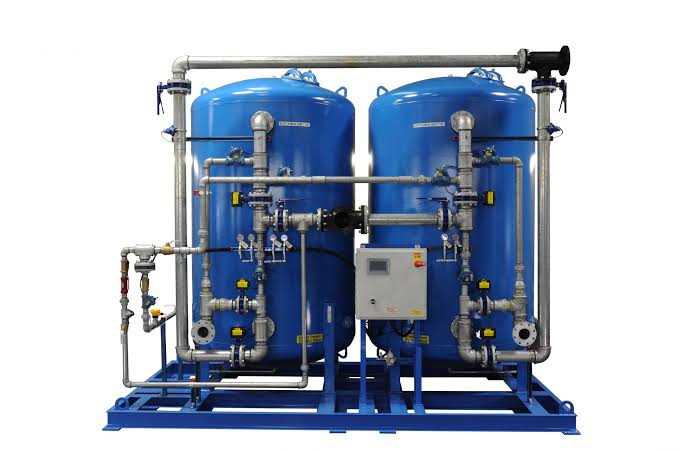
Commercial water softener systems are designed around higher demand, operating schedules, and the particular requirements of the business. Depending on the application, a suitable installation may use larger treatment capacity, multiple softener tanks, or controls designed to manage changing water consumption.
For a restaurant, consistent water quality may help reduce scale on dishwashing equipment and improve cleaning operations. In a hotel, treating water appropriately can help manage mineral deposits across multiple bathrooms and laundry facilities. Industrial applications may require more detailed engineering because water chemistry can affect production processes as well as equipment.
Sizing a commercial softener involves more than estimating the number of employees or rooms. Water hardness, peak flow, daily consumption, regeneration timing, and the consequences of interrupted service all matter.
A poorly sized unit may struggle during busy periods or regenerate too frequently. In some settings, an undersized system can create operational headaches that outweigh the initial savings.
For that reason, businesses should consider a professional water assessment and system design before committing to a major installation.
Installation and Maintenance Should Never Be an Afterthought
Even well-designed treatment equipment needs proper installation and routine attention. Incorrect plumbing connections, unsuitable settings, or neglected servicing can reduce performance and create avoidable problems.
Ask the installer to explain the operating process, routine maintenance tasks, and warning signs that indicate a service visit may be needed. Keep records of inspections, filter replacements, and any changes made to the system.
For softeners, maintenance may involve checking salt levels, confirming that regeneration is working correctly, and inspecting components according to the manufacturer’s recommendations. Other treatment equipment may require filter changes, cleaning, or periodic performance checks.
Commercial operators should pay particular attention to maintenance scheduling. Servicing equipment during a quieter period can reduce disruption, while keeping suitable replacement parts available may help prevent lengthy downtime.
Don’t forget water use and discharge requirements, either. Softener regeneration and other treatment processes can consume water and produce wastewater. The amount varies by technology and settings, so efficiency should be part of the purchasing decision.
Making a Smarter Long-Term Investment
Choosing water treatment equipment is easier when you focus on the problem rather than the product. Start with testing, compare suitable technologies, and consider how much water your property uses throughout the day.
For homes, the priority may be reducing scale and making cleaning easier. For businesses, reliability, operating capacity, and continuity of service may be equally important. In either case, purchase price is only one part of the overall cost.
Look at installation expenses, maintenance needs, consumables, warranty terms, and expected operating costs before making your final decision. A slightly more expensive system may offer better value if it suits your requirements and operates efficiently over time.
Ultimately, good water treatment isn’t about buying the biggest unit or the newest technology. It’s about understanding your water, choosing equipment designed for the job, and keeping it properly maintained. With the right information and a practical plan, you can protect valuable equipment, reduce everyday frustrations, and make a confident investment in better water management.